
Soups & Stews
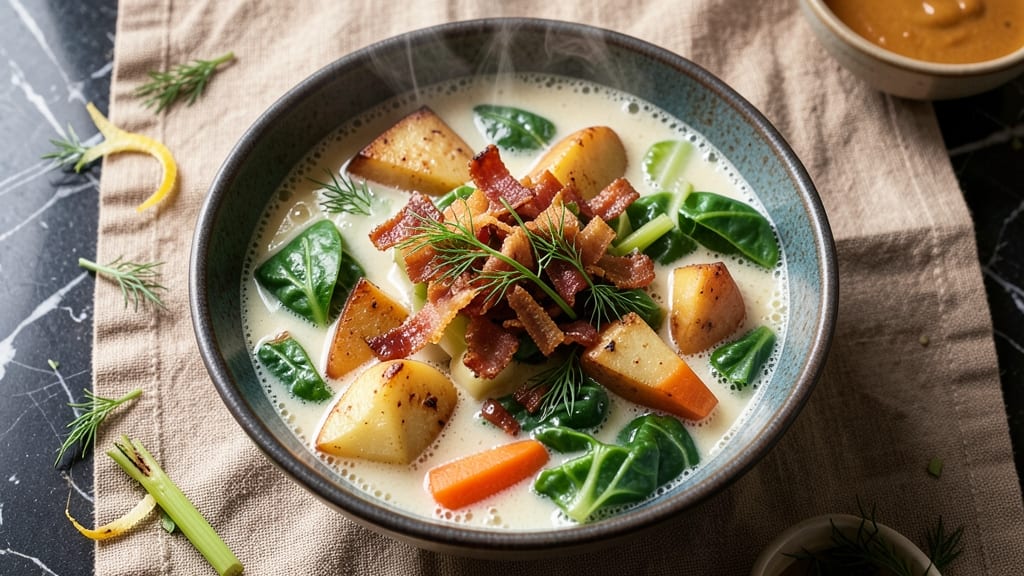
This bacon cabbage and potato soup recipe delivers the perfect balance of smoky, crispy bacon and tender, hearty vegetables in every spoonful. The secret lies in slow-cooked flavors that develop as the bacon renders its rich fat into the simmering broth, creating a depth that store-bought versions simply can't match.
I've perfected this recipe over years of testing—each ingredient plays a crucial role in building that satisfying, comforting texture and flavor profile that makes it a weeknight staple or holiday favorite.
The beauty of this soup is its versatility—whether you're working with a stovetop, slow cooker, or Instant Pot, the technique remains the same. Bacon is the star here, crisped to perfection before being removed and crushed for that coveted crunch you can't get from pre-cooked bits.
The potatoes and cabbage soften just enough to soak up the savory broth while maintaining their structure, ensuring every bite is both tender and satisfying. What you'll end up with is a soup that's rich, hearty, and packed with layers of flavor that keep you coming back for more.
What makes this recipe truly special is how it transforms simple ingredients into something extraordinary. The slow simmer allows the flavors to meld together naturally, creating a broth that's deeply aromatic and full-bodied. The bacon adds a smoky backbone, while the cabbage and potatoes bring earthy sweetness and satisfying texture.
This isn't just soup—it's a comforting hug in a bowl, the kind of meal that warms you from the inside out and leaves you craving seconds.
Ready in about 45 minutes on the stovetop or even less with an Instant Pot, this soup is perfect for chilly evenings, game days, or whenever you need a meal that feels like a warm embrace.
The best part? It tastes even better the next day, making it an ideal make-ahead dish for busy weeks. Let's get cooking—your taste buds will thank you.
Ingredients for bacon cabbage and potato soup
Smoky bacon, hearty roots, and tender cabbage—this soup is pure comfort in a bowl.
| Ingredient | Amount | Notes |
|---|---|---|
| Thick-Cut Bacon 🥓 | 12 oz | Thick-cut for best crunch |
| Yellow Onion 🧅 | 1 whole | Diced, medium size |
| Green Cabbage 🥬 | 1 ½ lb | Green or purple, shredded |
| Russet Potatoes 🥔 | 2 lb | Peeled, cubed evenly |
| Carrots 🥕 | 3 whole | Peeled, sliced into rounds |
| Celery Stalk 🌿 | 3 whole | Diced, medium size |
| Garlic Cloves 🧄 | 4 cloves | Minced, fresh preferred |
| Chicken Broth 💧 | 6 cups | Low-sodium, homemade or quality |
| Whole Milk 🥛 | 1 cup | Full-fat for creaminess |
| All-Purpose Flour 🌾 | 1 tbsp | For thickening soup |
| Dried Thyme 🌿 | 1 tsp | Or 1 tbsp fresh |
| Bay Leaves 🍃 | 2 whole | Remove before serving |
| Salt 🧂 | 1 ½ tsp | Kosher or sea salt |
| Black Pepper 🌶️ | ½ tsp | Freshly ground |
| Apple Cider Vinegar 🍎 | 1 tbsp | For tangy brightness |
The bacon is non-negotiable here. Thick-cut is key for that perfect crunch—Oscar Mayer or Applewood smoked are my go-tos, but any quality bacon works. Look for slices with good marbling; those are the ones that crisp up beautifully. The cabbage should be vibrant—green or purple—and the potatoes? Russets hold up best during cooking. I always buy organic when possible, especially for the potatoes and cabbage, since they're the stars of this dish. If you're short on time, pre-shredded cabbage is fine, but fresh is always better.
No thick-cut bacon? Regular bacon works, but cook it longer to get that crispy texture. Swapping cabbage? Savoy or Napa cabbage adds a different texture, but green is classic. The broth is where flavor builds—homemade is ideal, but even a quality low-sodium store-bought one works. Short on thyme? Dried oregano at half the amount gets you close. The vinegar might seem odd, but it cuts through the richness and balances the sweetness of the potatoes and cabbage. Trust me on this one—it makes a difference.
This soup gets better as it sits, so make a double batch if you can. Keeps in the fridge for 5 days and freezes beautifully for 3 months. I like to portion it into containers with a little extra bacon on top—just reheat gently and add a splash of broth if it gets too thick. The bacon fat alone makes this soup feel indulgent, so don't skip the crisping step. That's where the magic happens.
Why You'll Love This Recipe
- One-Pot Magic: I swear by this—just chop, simmer, and forget. The bacon renders right in the pot, so no extra pans, no extra mess. My kids think it’s fancy, but it’s really just me throwing everything in one pot and letting it do its thing.
- Smoky Depth: That crispy bacon turns tender, and the fat infuses the potatoes and cabbage with a rich, savory punch. Honestly, the first bite makes me wonder why I ever ate plain potato soup.
- Budget Win: Potatoes, cabbage, and bacon stretch this soup into multiple meals without breaking the bank. I make a double batch, freeze half, and still have leftovers for lunch. Smart, simple, and satisfying.
Step-by-step instructions for bacon cabbage and potato soup
This soup delivers smoky bacon crunch and hearty root vegetables in every spoonful.
Cook the Bacon Until Crispy
Cut the 12 oz thick-cut bacon into ½-inch pieces and place them in a large Dutch oven over medium heat. Let them cook undisturbed for 5-7 minutes until the edges become deep golden brown and the fat begins to render. This is where all the magic starts—those crispy bacon bits will add incredible texture to your soup.
Once the bacon is 75% cooked (still slightly soft in the center), use tongs to transfer it to a paper towel-lined plate, leaving all the rendered fat in the pot. You should have about ½ cup of bacon fat—this golden liquid is the flavor foundation of your soup. If you need more fat, add 1 tablespoon olive oil (though you won't with thick-cut bacon).
Sauté the Vegetable Base
In the same Dutch oven with the bacon fat, add the diced yellow onion and cook for 4-5 minutes until softened and just beginning to turn translucent. Add the diced celery stalk and sliced carrots, then cook for another 5 minutes until they start to soften and release their natural sweetness.
Stir in the minced garlic cloves and cook for 30 seconds until fragrant—this prevents the garlic from burning, which would make your soup bitter. Here's the thing—don't rush this step. The deeper you develop these aromatics, the more complex your soup's flavor will become. You'll know it's ready when the garlic smells heavenly and the vegetables are tender but still hold their shape.
Build the Soup Foundation
Add the shredded green cabbage and the cubed russet potatoes to the pot. Pour in the 6 cups chicken broth, making sure all the vegetables are submerged. Bring everything to a gentle boil over medium-high heat, then immediately reduce to a simmer. The broth should just barely bubble with small, occasional bursts.
Add the 2 whole bay leaves, 1 tsp dried thyme, 1.5 tsp salt, and 0.5 tsp black pepper. Let the soup simmer uncovered for 20 minutes, stirring occasionally. You want the potatoes to become fork-tender—when you pierce one with a knife, it should slide in easily but still offer slight resistance. This is when all the flavors meld together beautifully.
Thicken and Finish the Soup
In a small bowl, whisk together the 1 tbsp all-purpose flour and 1 cup whole milk until smooth. Slowly pour this mixture into the simmering soup while stirring constantly. The soup will thicken immediately—this creates that perfect creamy texture without making it heavy. Let it simmer for another 5 minutes to let the flour fully cook out and develop a slightly silky consistency.
Remove the 2 bay leaves (they'll be tender now) and stir in the 1 tbsp apple cider vinegar. This adds a bright, tangy note that cuts through the richness of the bacon and milk. Taste and adjust seasoning if needed—you might want to add a pinch more salt or pepper to balance all the flavors. The soup should be rich but not overwhelming, with a perfect harmony of smoky, sweet, and tangy notes.
Add the Bacon and Serve
Return the crispy bacon pieces to the pot and gently stir to distribute them throughout the soup. Let everything heat through together for 2-3 minutes. The contrast between the warm, creamy soup and the crispy bacon bits is what makes this recipe truly special.
Ladle the soup into bowls and serve immediately while the bacon is still crispy. Each spoonful delivers that perfect balance of textures—creamy potatoes, tender cabbage, and that irresistible bacon crunch. For extra richness, you can top each serving with a dollop of sour cream or a sprinkle of fresh parsley. This soup tastes even better the next day, so consider making a double batch—it reheats beautifully!
Pro Tips For Making Bacon Cabbage And Potato Soup
- COOK BACON LOW AND SLOW: I learned this the hard way—cranking the heat for crispy bacon ruins the soup’s depth. Render those thick-cut slices over medium-low, stirring occasionally, until they’re golden but not burnt. The fat’s flavor will infuse the broth perfectly, and you’ll avoid bitter, overcooked edges.
- CHOP CABBAGE UNIFORMLY: Big, uneven chunks turn mushy while potatoes stay firm. Cut the cabbage into ½-inch wedges or shred it fine—whatever you prefer, but keep the pieces the same size. This ensures everything cooks at the same rate, so your soup has texture, not a sad, watery mess.
- DON’T SKIP THE POTATO SOAK: Toss peeled potatoes in cold water for 10 minutes before adding them to the pot. This washes off excess starch, preventing a gluey, thickened soup that tastes like flour. Drain and pat dry—your future self will thank you.
- SAUTE ONIONS UNTIL SOFT: After cooking the bacon, don’t rush the onions. They should turn translucent and just start to caramelize—about 8-10 minutes on medium. This builds flavor that’ll carry through the soup, not just a raw, sharp taste hiding under everything else. (Yes, even if you’re impatient like me.)
Common mistakes when making great bacon cabbage and potato soup
Overcooking the Bacon
One of the biggest mistakes is cooking the bacon until it's fully crispy before removing it from the pot. The goal is to get it to 75% cooked—just until the edges are golden but the center still has a little give.
If you cook it all the way through, it'll lose that perfect crunch when you add it back later. I've made this mistake more times than I'd admit, and trust me, the difference is noticeable. 🥓
Pro tip: Use tongs to transfer the bacon to a paper towel-lined plate when it's still slightly soft. This way, it'll crisp up perfectly when you add it back to the soup at the end.
The fat left in the pot is what builds all that rich, smoky flavor—don't rush this step!
Skipping the Bacon Fat
Another common error is draining the bacon fat completely before cooking the vegetables. That golden liquid is the flavor foundation of your soup! I've seen people use just a tablespoon of olive oil as a substitute, but nothing compares to the depth of flavor that bacon fat provides.
If you're worried about excess fat, just pat the cooked bacon dry with a paper towel before adding it back at the end.
Think of the bacon fat as your soup's secret weapon. It adds a smoky richness that no other fat can replicate. If you're making a low-fat version, at least save some of that bacon fat to sauté your vegetables—it'll still make a difference!
Not Simmering Long Enough
Rushing the simmering process is a surefire way to end up with a soup that's either too thin or where the vegetables aren't fully tender. This soup needs that 20-minute simmer to let all the flavors meld together properly.
I've seen people cut this time short, and the result is always disappointing—either the potatoes are still hard or the broth isn't flavorful enough.
Use the fork-tender test to check doneness: pierce a potato with a fork. If it slides in easily but still offers slight resistance, it's ready. If you're in a hurry, you can cover the pot and let it steam for a few extra minutes, but don't skip this step entirely!
Using Low-Quality Broth
Store-bought broth can vary wildly in quality, and using a low-quality or high-sodium version will make your soup taste flat or overly salty. I always recommend using a low-sodium homemade or high-quality store-bought broth.
The flavor difference is night and day—homemade broth adds depth that you just can't get from a can or box.
If you're using store-bought, look for brands like Pacific Foods or Swanson that are known for their rich, flavorful broths. And remember, you can always adjust the seasoning at the end if needed—it's better to start with a clean base!
Ignoring the Vinegar
The apple cider vinegar might seem like an odd addition, but it's what balances all the rich, smoky flavors in this soup. I've seen people skip it, and while the soup is still good, it lacks that bright, tangy note that cuts through the creaminess.
That 1 tbsp makes all the difference—it's the little details that elevate this dish from good to great.
If you're not a fan of vinegar, you can substitute it with a splash of lemon juice, but I find that the apple cider vinegar adds a subtle sweetness that complements the bacon and potatoes perfectly. Don't skip this step—it's what ties all the flavors together!
Over-Thickening the Soup
Adding too much flour or milk to thicken the soup can make it heavy and gluey. The key is to use just 1 tbsp flour and 1 cup milk, whisked together until smooth, and add it gradually while stirring constantly.
I've seen people add too much flour at once, and the result is a soup that's more like a thick paste than a creamy, comforting dish.
If your soup turns out too thick, you can always thin it with a little more broth or milk. The goal is a consistency that coats the back of a spoon but still allows the vegetables to shine.
A little patience here goes a long way—let the soup simmer for those final 5 minutes to ensure the flour cooks out properly.
Nutrition facts
Frequently asked questions
Can I make this soup without bacon?
Yes, but it won't be the same! For a vegetarian version, swap the bacon with 12 oz smoked turkey bacon or 2 tbsp olive oil for sautéing. If you're avoiding meat entirely, try mushrooms or tempeh for umami depth. The bacon fat is key for that rich, smoky flavor—without it, you'll need to boost other seasonings like thyme or smoked paprika.
How can I make this soup creamier?
For extra creaminess, stir in ½ cup sour cream or ¼ cup heavy cream at the end instead of milk. You can also replace the milk with ½ cup evaporated milk for a richer base. If you prefer a dairy-free option, use ½ cup coconut milk and add it after simmering to prevent curdling.
Can I use a slow cooker or Instant Pot?
For a slow cooker, brown the bacon first, then add all ingredients (except bacon bits) and cook on low for 6-7 hours or high for 3-4 hours. For the Instant Pot, sauté the bacon and veggies first, then add broth and potatoes, cooking on high pressure for 8 minutes before natural release. Add bacon back at the end.
What's the best way to store leftovers?
Store in an airtight container in the fridge for up to 5 days. For freezing, portion into containers with a layer of broth on top to prevent freezer burn. Reheat gently on the stove with a splash of broth—never microwave directly from frozen. The flavors actually improve overnight!
Why did my soup turn out watery?
This usually happens from over-simmering or using too much broth. The potatoes should be fork-tender after 20 minutes, not mushy. If it's too thin, remove from heat and stir in 1 tbsp cornstarch mixed with 2 tbsp cold water, then simmer for 2 more minutes. For future batches, reduce broth by ½ cup or add potatoes 5 minutes earlier.