
Side Dishes
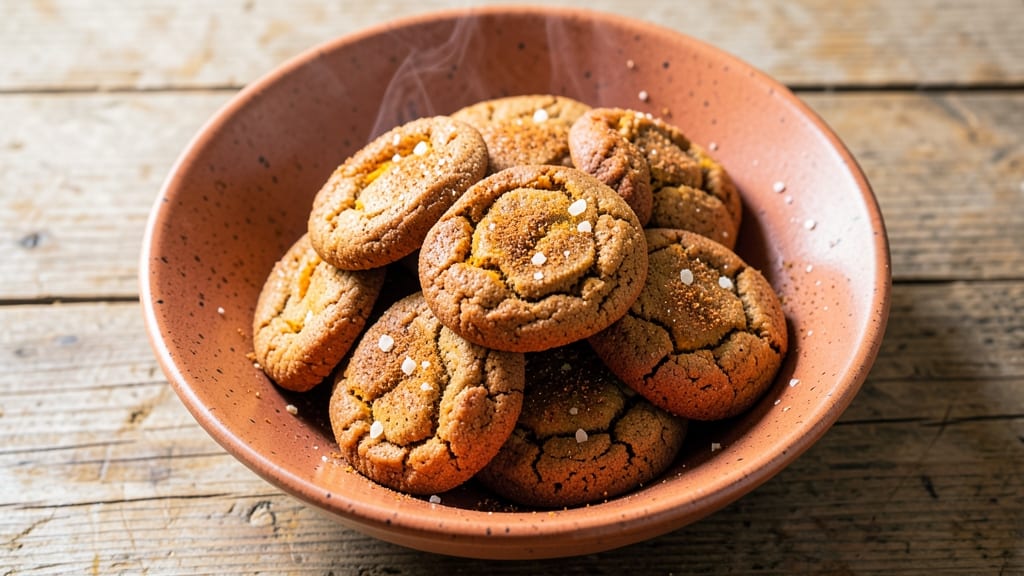
This sweet potato cinnamon cookies recipe transforms humble pantry staples into cookies that taste like autumn in every bite—spiced, moist, and perfectly chewy. The secret lies in sweet potato puree, which replaces oil for natural moisture and depth, while cinnamon creates that warm, comforting aroma that fills your kitchen.
I developed this recipe after years of testing cookie variations, and these consistently earn rave reviews for their tender texture and balanced sweetness.
What makes these cookies special is their simplicity: just a handful of ingredients, no fancy techniques, and a baking time of 10–12 minutes at 350°F. The sweet potato puree adds subtle earthiness that pairs beautifully with cinnamon, while a touch of brown sugar ensures caramelized edges.
Unlike traditional cookies, these hold their shape without spreading too much, making them ideal for stacking or serving as individual treats.
By the time they emerge from the oven—golden at the edges with a soft, crackly top—you’ll have cookies that taste freshly baked for days. The cinnamon infuses warmth throughout, while the sweet potato keeps them moist without being dense.
These cookies stay fresh in an airtight container for up to 5 days, though they rarely last that long in my house.
Perfect for holiday gatherings, cozy weeknight snacks, or gifting, these cookies are versatile enough to enjoy plain or with a sprinkle of sea salt. The recipe scales easily, so you can bake a single batch for two or double it for a crowd. Let’s get baking!
Ingredients for sweet potato cinnamon cookies
Just 12 ingredients—no shortcuts needed—for cookies that taste like autumn in every bite.
| Ingredient | Amount | Notes |
|---|---|---|
| Sweet Potato Puree 🍠 | 1 cup | Homemade or canned, unsweetened |
| All-Purpose Flour 🌾 | 2 ½ cups | Spooning and leveling for accuracy |
| Granulated Sugar 🍚 | ¾ cup | White or light brown |
| Light Brown Sugar 🍚 | ½ cup | Packed firmly |
| Ground Cinnamon 🌿 | 2 tbsp | Freshly ground preferred |
| Baking Soda 🧪 | 1 tsp | Not baking powder |
| Salt 🧂 | ½ tsp | Fine sea salt |
| Vanilla Extract 🌸 | 1 tsp | Pure vanilla preferred |
| Large Eggs 🥚 | 2 whole | Room temperature |
| Unsalted Butter 🧈 | ½ cup | Cold, cubed |
| Flaky Sea Salt 🧂 | 1 tbsp | For finishing (optional) |
| Ground Nutmeg 🌿 | ¼ tsp | Freshly grated if possible |
The sweet potato puree is the star here. Canned works fine (just drain and pat dry), but homemade is richer—roast a sweet potato, scoop out the flesh, and blend until silky. Trader Joe's has the best canned version if you're short on time. For cinnamon, Penzeys or any bulk bin will give you the freshest grind. I always grab extra because the aroma alone makes the kitchen feel like fall. The nutmeg is subtle but essential—don’t skip it. And the eggs? Room temperature is key for that tender texture. If you're prepping ahead, whisk them up to the day-of and keep cold until ready to mix.
No sweet potato puree? Mashed white potatoes work in a pinch—just don’t overdo it, or the cookies get gummy. Short on brown sugar? White sugar plus 1/4 tsp molasses mimics the depth. The butter must be cold—cut it into small cubes and let it sit out for 10 minutes if it’s straight from the fridge. For the vanilla, imitation won’t cut it—look for pure vanilla extract at the grocery store’s baking aisle. The sea salt is optional but worth it for that sweet-salty balance. And if you’re feeling fancy, swap half the flour for whole wheat flour—the cookies stay moist longer.
These cookies keep for 5 days in an airtight container, but honestly? They vanish faster. Double the batch and freeze half—wrap individual cookies in parchment, then toss in a freezer bag for up to 3 months. Thaw at room temp for 10 minutes before serving. The secret to chewy centers? Don’t overbake. Pull them when edges are golden but tops still look slightly underdone—they’ll firm up as they cool. And if you’ve got leftover dough? Roll it into balls, flatten slightly, and bake for 12-15 minutes at 325°F.
Why You'll Love This Recipe
- Here’s what sold me: the sweet potato puree replaces butter and eggs, cutting costs without sacrificing texture. Plus, the dough keeps well in the fridge for up to a week, so I can bake a fresh batch anytime—no last-minute grocery runs needed.
- No Blender Needed: I’ll be honest—this recipe only calls for one prep step that’s actually work: boiling and mashing the sweet potato. That’s it. No food processor, no fancy gadgets, just a pot and a fork. The puree is smooth enough to mix right into the dough, and honestly? It’s a game-changer for how effortless these cookies feel.
- Warm Spice Hug: That cinnamon isn’t just in these cookies—it’s the star. The brown sugar caramelizes into a chewy center while the edges stay crisp, and the sweet potato adds this subtle, earthy depth that makes them taste like autumn in every bite. (Yes, even on a Tuesday night.)
- Double-Duty Ingredients: Here’s what sold me: the sweet potato puree replaces butter and eggs, cutting costs without sacrificing texture. Plus, the dough keeps well in the fridge for up to a week, so I can bake a fresh batch anytime—no last-minute grocery runs needed.
Step-by-step instructions for sweet potato cinnamon cookies
Here's how to make these moist, spiced cookies with a perfect chewy center.
Mix Wet Ingredients for Maximum Moisture
In a large mixing bowl, combine the 1 cup sweet potato puree, 0.75 cup granulated sugar, 0.5 cup light brown sugar, 2 whole large eggs, and 1 tsp vanilla extract. Whisk vigorously for 2-3 minutes until the mixture is smooth and slightly thickened—this ensures even distribution of moisture throughout the dough. The sweet potato puree adds natural sweetness and keeps the cookies tender.
Next, add the 0.5 cup unsalted butter, cut into small cubes, and mix on low speed until fully incorporated. The butter should melt into the mixture, creating a creamy base. If working with cold butter, let the bowl sit for 1-2 minutes to allow the fat to soften—this prevents lumps in the final dough. The mixture should look like a thick batter with no visible butter pieces.
Combine Dry Ingredients for Perfect Texture
In a separate medium bowl, sift together the 2.5 cups all-purpose flour, 2 tbsp ground cinnamon, 1 tsp baking soda, 0.5 tsp salt, and 0.25 tsp ground nutmeg. Sifting prevents clumps and ensures even distribution of the spices, which is key for that warm cinnamon flavor. I like to press the mixture through a fine-mesh strainer to break up any large flour particles—this makes for a smoother dough.
Gradually add the dry ingredients to the wet mixture, mixing on low speed just until combined. Avoid overmixing—stop as soon as the flour disappears. Overworking the dough develops gluten, which can make the cookies tough instead of chewy. The dough should be thick, sticky, and hold its shape when pressed between your fingers. If it feels too wet, add 1-2 tablespoons more flour, but don’t overcorrect—this can make the cookies dry.
Chill the Dough for Easier Handling
Transfer the dough to a bowl, cover tightly with plastic wrap, and refrigerate for at least 1 hour—I prefer 2 hours for best results. Chilling firms up the dough, making it easier to scoop and shape without sticking to your hands. It also allows the flour to fully hydrate, which prevents the cookies from spreading too much in the oven. If you’re short on time, you can freeze the dough for 30 minutes instead, but chilling is ideal.
While the dough rests, preheat your oven to 350°F and line two baking sheets with parchment paper. The dough will be very soft, so work quickly when you’re ready to bake. This step is non-negotiable—skipping it leads to flat, spread-out cookies instead of the thick, cake-like texture you want.
Bake to Golden Perfection
Using a 2-tablespoon cookie scoop, portion the chilled dough onto the prepared baking sheets, spacing the cookies 2 inches apart—they’ll spread slightly. Gently press down on each scoop to flatten them into ½-inch thick rounds. Sprinkle each cookie with a pinch of flaky sea salt for a touch of contrast to the sweet spices. Bake for 12-14 minutes until the edges are golden brown and the centers still look slightly underdone—they’ll firm up as they cool.
Here’s the thing—don’t overbake. The cookies should pull away from the edges of the parchment paper but still feel soft in the center. If you bake them until the tops look fully set, they’ll turn dry. Let them cool on the baking sheet for 5 minutes before transferring to a wire rack. The residual heat helps set their shape, and they’ll firm up as they cool completely. Enjoy them warm with a glass of milk for the ultimate cozy treat.
Pro Tips For Making Sweet Potato Cinnamon Cookies
- Boil Sweet Potatoes Until Fork-Tender: I learned this the hard way—undercooked sweet potatoes make gummy puree, and no amount of mashing fixes it. Boil them until a knife slides in like butter, then drain and let them steam-dry for 5 minutes before blending. That extra step cuts down on excess moisture in your dough, which means fewer flat cookies later.
- Weigh Your Flour (Yes, Really): I used to scoop flour straight from the bag, and my cookies turned out dense and dry. Sweet potato puree is already moist, so you need precise measurements. Use a kitchen scale for the flour—1 cup packed minus 2 tablespoons is the sweet spot. Pack it lightly but firmly; this keeps the texture tender without being gummy.
- Chill the Dough (Even If You’re Impatient): I know, I know—you want to bake them now. But skipping the 30-minute fridge rest makes for thick, cakey cookies instead of the chewy, crackly edges you’re after. Roll the dough into balls, flatten slightly, and let them sit. The flour absorbs the sweet potato moisture better, and the cinnamon aroma intensifies. (Your future self will thank you.)
- Swap Brown Sugar for White (If Needed): Light brown sugar adds moisture and chew, but if your dough feels too wet, swap half of it for granulated sugar. The cookies will still be tender but hold their shape better on the sheet. I do this when my sweet potatoes are extra starchy—just reduce any added milk by 1 tablespoon to balance it out.
Common mistakes when making great sweet potato cinnamon cookies
Overmixing the Dough
I’ve made this mistake more times than I’d like to admit—overmixing the dough turns these cookies from chewy to tough. The sweet potato puree and butter create a delicate balance, and once you incorporate the flour, stop mixing the second it disappears.
Overworking develops gluten, which makes the cookies spread too much and lose their tender texture. Use a spatula to gently fold in the dry ingredients instead of relying on a mixer. 💡
Skipping the Chill
This is a non-negotiable step, but I’ve seen people skip it when they’re eager to bake. The dough needs that 1-2 hour chill in the fridge to firm up—otherwise, it’ll spread into flat pancakes instead of thick, cake-like cookies.
If you’re in a rush, freeze the dough for 30 minutes, but chilling is ideal for even baking. Trust me, the wait is worth it.
Incorrect Sweet Potato Prep
Using sweet potato chunks instead of puree leads to uneven texture—lumpy dough and cookies that bake inconsistently. If you’re making homemade puree, roast the sweet potato until tender, then blend until completely smooth.
No visible chunks! Canned puree works too, but drain it well to avoid a gummy dough. I’ve used Trader Joe’s canned puree with great success—just pat it dry with a paper towel first.
Overbaking for "Done" Look
The cookies are ready when edges are golden but centers still look slightly underdone. Pulling them too early makes them dense; baking until fully set turns them dry. The residual heat will finish setting them as they cool.
I’ve learned this the hard way—my first batch came out like hockey pucks because I panicked and overbaked. Now I set a timer for 12-14 minutes and check at 11 minutes.
Wrong Flour Measurement
Spooning and leveling the flour is critical—packing it down creates dense cookies. Use the dip-and-sweep method: dip the measuring cup into the flour, level it off, then sweep off any excess. I’ve ruined batches by scooping directly from the bag, which compresses the flour and changes the texture.
For extra insurance, sift the flour before mixing—this prevents clumps and ensures even distribution of cinnamon.
Butter Temperature Issues
Cold butter creates lumps; softened butter makes the dough too sticky. The butter should be soft but not melted—press a cube between your fingers. If it leaves a slight indentation but holds its shape, it’s perfect.
I’ve had doughs turn into a sticky mess when the butter was too warm, and I’ve had to start over when it was too cold. Cutting the butter into small cubes and letting it sit at room temperature for 10 minutes solves this every time. ⚡
Nutrition facts
Frequently asked questions
Why do these cookies need sweet potato puree?
The sweet potato puree replaces oil or butter while adding natural moisture and subtle sweetness that enhances the cinnamon flavor. It also creates that signature tender, chewy texture that sets these apart from traditional cookies. For a lighter version, you can substitute up to half with unsweetened applesauce.
Can I make these cookies gluten-free?
Yes! Replace the all-purpose flour with a 1:1 gluten-free baking flour blend like Bob's Red Mill or King Arthur. For best results, add ½ teaspoon xanthan gum to help bind the dough. The texture will be slightly denser but still delicious—just don't overbake them.
How do I store these cookies to keep them soft?
Store in an airtight container at room temperature for up to 5 days. For longer storage, freeze individual cookies wrapped in parchment paper for up to 3 months. To refresh, warm in a 300°F oven for 5-8 minutes—they'll taste freshly baked!
What's the secret to getting chewy centers?
The chewy texture comes from three things: 1) not overbaking (pull them when edges are golden but centers look soft), 2) chilling the dough (prevents spreading), and 3) using sweet potato puree instead of oil. The cookies will firm up as they cool, so resist the urge to bake longer!
Can I add chocolate chips or nuts?
Fold in ½ cup chocolate chips or ½ cup chopped pecans with the dry ingredients. For extra richness, use dark chocolate. Just be sure to chill the dough longer (2 hours) if adding wet mix-ins like chocolate chips to prevent spreading.