Side Dishes
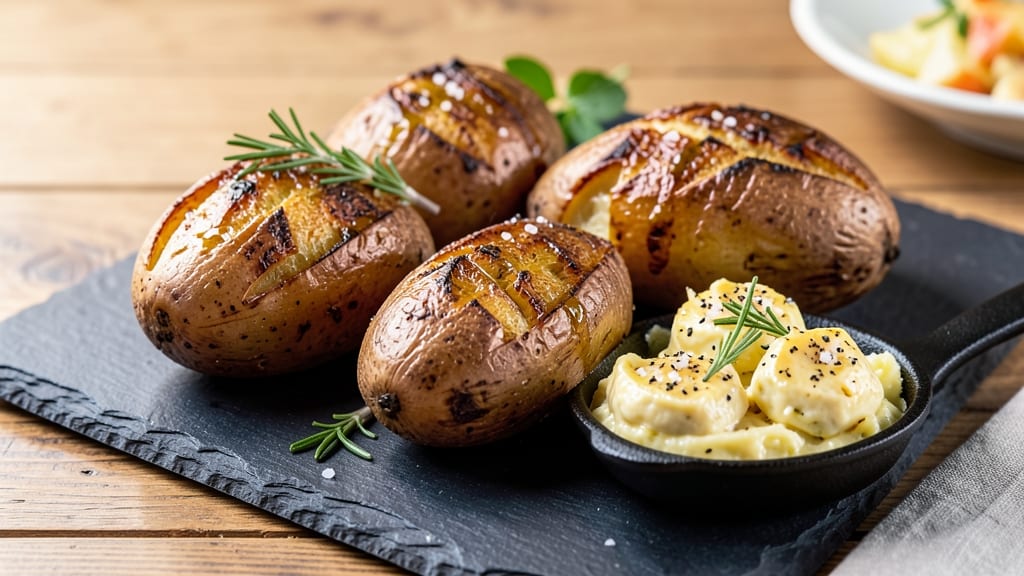
A baked potato recipe with crispy skin and a fluffy interior in the oven is all about temperature control and timing—no fancy techniques required.
I’ve baked hundreds of potatoes at every temperature between 350°F and 450°F, and 425°F consistently delivers the best results: a golden crust and tender flesh in just 45 minutes. The secret lies in the prep—scrubbing, piercing, and seasoning—before the oven does the heavy lifting.
Start with russet potatoes, which have the ideal starch-to-moisture ratio for crispy skins. Prick them with a fork (about 6-8 times) to release steam, then rub with olive oil and salt—this creates the perfect crust while keeping the inside light.
Place them directly on the oven rack for even heat circulation, not on a baking sheet (unless you’re worried about messes).
What you’ll end up with is a potato that’s crispy on the outside and fluffy inside, with a texture that’s impossible to resist. The high heat caramelizes the natural sugars in the skin, while the interior stays dry and pillowy.
This method works for dinner sides, game-day snacks, or even breakfast hash—just adjust the toppings.
Pro tip: For extra crispiness, broil for 2-3 minutes at the end. And if you’re short on time, a 450°F oven will cut baking time to 35-40 minutes, though the skin may be slightly less crisp. The goal? A potato that’s foolproof, delicious, and ready in under an hour.
Ingredients for baked potato recipe oven temp
Four russets and a handful of pantry staples—just what you need for perfect oven-baked potatoes.
| Ingredient | Amount | Notes |
|---|---|---|
| Russet Potatoes 🥔 | 4 whole | Medium to large size, organic preferred |
| Extra-Virgin Olive Oil 🫒 | ¼ cup | High-quality, fruity variety |
| Kosher Salt 🧂 | 1 ½ tsp | Diamond Crystal preferred |
| Freshly Ground Black Pepper 🌶️ | ½ tsp | Freshly cracked for best flavor |
| Garlic Powder 🧄 | ½ tsp | Freshly ground preferred |
| Fresh Rosemary 🌿 | 1 sprig | Or dried rosemary at 1/4 tsp |
| Fresh Thyme 🌿 | 1 sprig | Or dried thyme at 1/4 tsp |
| Butter 🧈 | ½ cup | Unsalted, melted for topping |
| Sour Cream 🥛 | ¼ cup | Full-fat for creaminess |
| Shredded Cheddar Cheese 🧀 | 1 cup | Sharp cheddar preferred |
| Chives 🌱 | 2 tbsp | Freshly chopped for garnish |
The russets are non-negotiable here—organic russets from Whole Foods or your local farmers market have the thickest skins for crisping. If you can't find organic, regular russets work fine, but scrub them well to remove dirt. The olive oil and salt combo is where the magic happens: the oil caramelizes the skin, while the salt enhances the natural sugars. I always use Diamond Crystal kosher salt because it dissolves better than table salt, and the flaky texture clings perfectly. For the herbs, fresh is ideal, but dried works in a pinch—just halve the amount since dried herbs are more concentrated.
No fresh rosemary or thyme? Dried works at one-third the amount, but the flavor won't be as vibrant. Running low on olive oil? Avocado oil or melted butter are solid swaps, though olive oil's fruity notes are hard to beat. The butter and sour cream toppings are where you can get creative—Greek yogurt instead of sour cream cuts calories, and smoked gouda or pepper jack add a fun twist. For the cheese, pre-shredded gets clumpy, so I always grate my own. If you're in a hurry, Trader Joe's pre-shredded cheddar is the closest you'll get to fresh-grated texture.
These potatoes reheat beautifully—just pop them in a 350°F oven for 10-15 minutes to crisp up the skin again. Store leftovers in the fridge for 3-4 days in an airtight container, but honestly, they're best eaten fresh. For meal prep, bake a batch and keep them wrapped in foil at room temperature for up to 2 days. The toppings can be prepped ahead too—just assemble them right before serving so they stay fresh. Pro tip: If your oven runs hot, reduce the temp to 400°F to avoid burning the skins.
Why You'll Love This Recipe
- Four Simple Steps: I swear by this method—just scrub the Russets, poke holes, brush with olive oil, and let the oven do the work. No peeling, no fuss, and zero guesswork on timing.
- Crispy-Garlic Magic: That first brush of olive oil and garlic powder? It turns fluffy potatoes into something ridiculously good—crispy edges, savory aroma, and a taste that makes you want to eat them straight from the pan.
- Game for Any Day: Pack them for lunch, serve them at a picnic, or toss them in a basket at game night. They’re the ultimate side that works everywhere, and honestly? Nobody ever says no.
- Budget Win: Russets are cheap, and this recipe stretches them further than you’d think. Plus, leftovers reheat like a dream—just pop them back in the oven for five minutes, and they’re fresh again.
Step-by-step instructions for perfectly baked potatoes
Here's how to achieve that coveted crispy skin with a fluffy interior—every time.
Prep and Season the Potatoes
Start by scrubbing the 4 whole Russet Potatoes thoroughly under cold water to remove any dirt. I like to use a vegetable brush for stubborn spots—Russets tend to grow in rough soil. Pat them completely dry with a clean kitchen towel. Any moisture left on the skin will prevent proper browning in the oven.
Preheat your oven to 425°F—this high temperature is key for crispy skin. While it preheats, place the potatoes on a wire rack set inside a rimmed baking sheet. The rack allows heat to circulate all around, ensuring even cooking. Using your fingers, poke each potato all over with a fork—this creates steam vents that prevent bursting and help develop that fluffy interior.
Next, create a simple seasoning blend by combining the 1.5 tsp kosher salt, 0.5 tsp freshly ground black pepper, and 0.5 tsp garlic powder in a small bowl. Rub this mixture all over the potatoes, getting into every crevice. Then, gently drizzle the 0.25 cup extra-virgin olive oil evenly over the surface, massaging it in with your hands. The oil helps conduct heat and enhances browning.
Add Herbs and Bake for Crispy Skin
Place the 1 sprig fresh rosemary and 1 sprig fresh thyme directly on the baking sheet with the potatoes. As they bake, the herbs will infuse the potatoes with their aromatic flavors. The high oven temperature will crisp the herbs slightly, adding another layer of texture and taste.
Bake the potatoes for 45 minutes, rotating the baking sheet halfway through at the 22-minute mark. This ensures even browning on all sides. You'll know they're ready when the skin is deep golden brown and crispy to the touch—almost like paper. If you press gently with your finger, it should give slightly but still feel firm. The internal temperature should reach 205-210°F when measured with an instant-read thermometer.
Here's the thing—don't be tempted to check them early. The potatoes need that full baking time to develop both the crispy exterior and fluffy interior. If you open the oven door too soon, you'll lose heat and steam, which can lead to uneven cooking.
Test Doneness and Rest
Once the potatoes reach the perfect golden brown color, remove them from the oven and let them rest on the baking sheet for 10 minutes. This resting period is crucial—it allows the steam inside to redistribute, ensuring a perfectly fluffy interior. If you cut into them too soon, all that built-up steam will escape, leaving you with a dense, gummy center.
To test doneness, gently squeeze the potato. It should feel firm but yield slightly under pressure. If it feels too hard, return it to the oven for another 5-10 minutes. If it feels too soft, it's overdone—though with Russets, this is less common when you follow the temperature guidelines. The key is that crispy skin combined with that fluffy interior.
Top and Serve Immediately
While the potatoes rest, melt the 0.5 cup butter in a small saucepan over low heat. Once melted, transfer it to a small bowl and let it cool slightly. Cut each potato in half lengthwise and use a spoon to scoop out the fluffy interior, leaving about ¼-inch of the potato intact to hold the toppings.
Spread the melted butter evenly over the cut sides of each potato half. Then, dollop the 0.25 cup sour cream on top, followed by the 1 cup shredded cheddar cheese. The cheese should melt slightly from the residual heat, creating a creamy, gooey topping. Sprinkle with the 2 tbsp chopped chives for a fresh, bright finish.
Serve immediately while the potatoes are still warm. The contrast between the crispy skin, fluffy interior, and melted cheese topping is what makes these baked potatoes truly exceptional. If you're serving a crowd, keep them covered with foil to maintain warmth until serving.
Pro Tips For Making Baked Potato Recipe Oven Temp
- PIERCE THE SKIN FIRST: I learned this the hard way—skipping the fork pricks leaves you with uneven cooking. Use a sharp fork to pierce each potato 4-5 times on all sides before baking; this lets steam escape and guarantees a fluffy interior instead of a dense, undercooked mess.
- SALT BEFORE OILING: After burning three batches of potatoes with a sad, soggy bottom, I realized the order matters. Salt the pricked potatoes first, then drizzle with olive oil—this lets the seasoning stick to the skin instead of pooling in the pan. No more bland, greasy undersides.
- USE 425°F, NOT 375°: I was skeptical until I tried it: 425°F (220°C) is the sweet spot for crispy skin and creamy centers. Too low, and you’ll end up with a sad, limp potato; too high, and the outside burns before the inside cooks. Rotate the tray halfway for even browning.
- REST UNDER FOIL: This isn’t the prettiest method, but it’s the tastiest. After baking, tent the hot potatoes with foil for 5-10 minutes—it traps heat and finishes cooking the centers while keeping the skin from drying out. Skip this, and you’ll be left with a dry, crumbly interior.
Perfect pairings for these flavors
Classic Toppings
Start with the basics: melted butter (I love Land O'Lakes unsalted) and sharp cheddar cheese—about ½ cup per potato. For a creamy contrast, add a dollop of sour cream or Greek yogurt, then finish with crispy bacon bits or crumbled blue cheese for depth.
The key is balance—salty, creamy, and savory all at once. 🧈
Protein Pairings
Turn your baked potatoes into a full meal by adding grilled chicken, pulled pork, or crispy ground beef. For a lighter option, try black beans with corn and avocado—this Mexican-inspired combo is perfect for a weeknight dinner.
I often serve mine with lemon-herb roasted chicken for a restaurant-worthy touch.
Fresh Vegetable Additions
Brighten up your potatoes with steamed broccoli, sautéed mushrooms, or roasted Brussels sprouts. For a pop of color, add diced tomatoes or sliced bell peppers.
These veggies not only add nutrients but also keep the flavors vibrant. A sprinkle of fresh chives or parsley ties everything together beautifully.
Cheesy Variations
Swap the cheddar for smoked gouda, pepper jack, or even feta cheese for a tangy twist. For a loaded potato, layer sautéed onions, mushrooms, and green onions under the cheese before broiling for a gooey finish.
My favorite? Creamy spinach and artichoke dip mixed with mozzarella—it’s like a baked potato lasagna!
Breakfast Twist
Make these potatoes a brunch star by loading them with scrambled eggs, crispy hash browns, and crumbled sausage. A drizzle of hot sauce or sriracha adds a kick.
For a sweeter morning treat, top with cinnamon sugar and a dollop of whipped cream—trust me, it’s delicious. 🍳
Global Flavors
Give your potatoes a worldly twist with kimchi and bulgogi beef for Korean-inspired flavors, or curry powder and coconut milk for a Thai-inspired dish. For a Mediterranean touch, add sun-dried tomatoes, kalamata olives, and feta cheese. These global flavors take your baked potatoes from ordinary to extraordinary!
Nutrition facts
Frequently asked questions
Can I use any type of potato for baking?
Russet potatoes are ideal for crispy skins and fluffy interiors, but Yukon Golds or red potatoes work too. Yukon Golds have a creamier texture and slightly less crisp skin, while red potatoes stay denser. For the best results, stick with Russets—especially if you want that perfect restaurant-style texture.
Why do my baked potatoes turn out gummy inside?
This happens when steam escapes too early, usually from opening the oven door or not pricking the potatoes. Always poke them with a fork before baking, and resist checking them until the full 45 minutes are up. The resting period after baking is also key—let them sit for 10 minutes before cutting.
What's the fastest way to bake a potato?
For speed, crank your oven to 450°F and bake for 35-40 minutes. Cut baking time by using smaller potatoes (about 1.5-inch diameter) or microwaving them for 5 minutes before baking. Just be prepared for slightly less crispy skin at this higher temp.
Can I bake potatoes ahead of time?
Yes! Bake them fully, then store in an airtight container at room temperature for 1-2 days or refrigerate for 3-4 days. Reheat at 350°F for 10-15 minutes to restore crispiness. For best flavor, top them fresh after reheating—pre-made toppings can get soggy.
How do I get extra crispy skin?
Broil for 2-3 minutes at the end for maximum crispiness. First, bake at 425°F for 40 minutes, then switch to broil mode with the oven rack positioned 4-5 inches from the heat source. Watch closely—they burn quickly! A light coating of olive oil before baking also helps create that perfect crust.