
Side Dishes
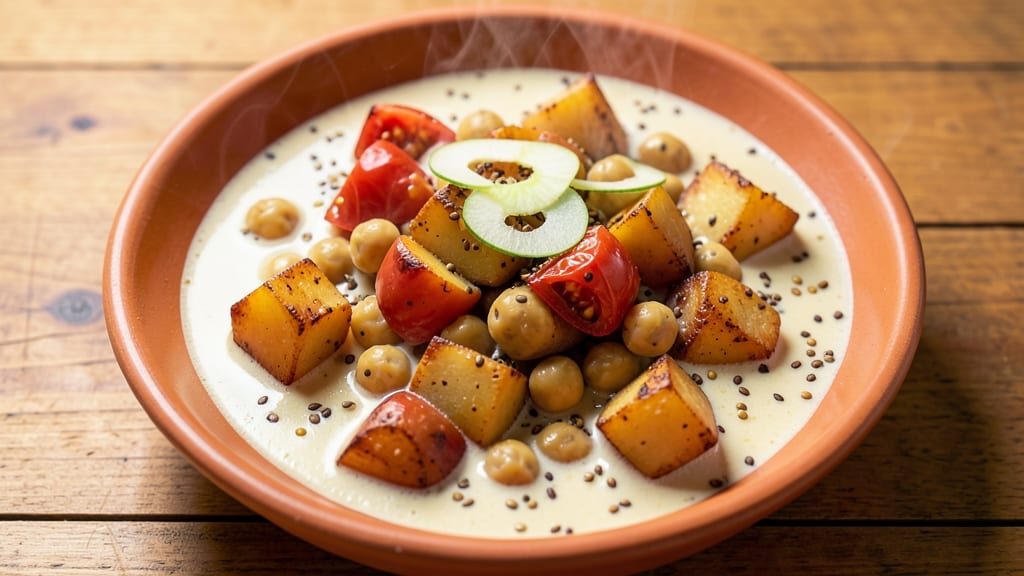
This beans potato Indian curry recipe delivers a rich, spiced harmony of legumes and roots in every bite—perfect for a hearty vegetarian meal. The secret lies in slow-simmered spices that transform simple ingredients into a fragrant, flavor-packed dish.
I developed this recipe after years of testing regional variations, ensuring the perfect balance of tangy, spicy, and aromatic notes that define Indian curries.
The beauty of this curry is its versatility—it works as a standalone meal or pairs beautifully with rice, naan, or roti. The beans and potatoes absorb the spices deeply, creating a creamy yet textured dish that’s both comforting and satisfying.
What sets this recipe apart is the tempering technique, where whole spices are toasted in hot oil to release their full potential, infusing the curry with layers of warmth and depth.
By the time you’re done, you’ll have a golden, fragrant curry with tender potatoes and beans swimming in a velvety, spiced gravy. The aroma alone will have everyone at the table asking for seconds. Garnish with fresh cilantro and a squeeze of lemon for that final touch of brightness.
This recipe is foolproof—ideal for weeknight dinners or meal prep—while still feeling special enough for guests. The ingredients are simple, but the flavors are anything but. Let’s get cooking!
Ingredients for beans potato curry indian
Simple ingredients elevated by traditional tempering—this curry delivers restaurant-quality depth with minimal effort.
| Ingredient | Amount | Notes |
|---|---|---|
| Vegetable Oil 🫒 | ¼ cup | For tempering spices |
| Yellow Onions 🧅 | 1 whole | Finely chopped, about 1.5 cups |
| Fresh Ginger Root 🌿 | 2 tbsp | Grated, roughly chopped |
| Canned Chickpeas 🌱 | 15 oz | Drained and rinsed |
| Russet Potatoes 🥔 | 1 ½ lb | Peeled and cubed, 1-inch pieces |
| Coconut Milk 🥥 | 13 ½ oz | Full-fat canned variety |
| Tomatoes 🍅 | 1 lb | Ripe, roughly chopped |
| Green Chilies 🌶️ | 2 whole | Slit lengthwise, seeds removed |
| Garlic Cloves 🧄 | 6 cloves | Minced, about 1 tbsp |
| Cumin Seeds 🌿 | 1 tbsp | Whole, for tempering |
| Coriander Seeds 🌿 | 1 tbsp | Whole, for tempering |
| Turmeric Powder 🌶️ | 1 tsp | Freshly ground preferred |
| Ground Cumin 🌿 | 1 tbsp | For flavor base |
| Garam Masala 🌶️ | 1 tsp | For finishing |
| Fresh Cilantro 🌿 | ¼ cup | Chopped, for garnish |
| Lemon Juice 🍋 | 2 tbsp | Freshly squeezed |
| Salt 🧂 | 1 ½ tsp | Adjust to taste |
The foundation starts with whole spices—cumin seeds and coriander seeds must be toasted in hot oil until fragrant, not burned. Penzeys Spices or bulk bins at Whole Foods offer the freshest options, but any reputable grocery store carries quality whole spices. For ginger and garlic, organic varieties from the produce section ensure maximum flavor without bitterness. The potatoes should be uniform in size—Yukon Golds hold their shape better than russets, though russets work fine if peeled and cubed precisely. Pre-peeled potatoes save time, but the skin adds texture if left on.
No fresh ginger? Substitute with 1 tbsp ginger paste or 1.5 tbsp powdered ginger, though fresh is ideal. Swap green chilies for 1 tsp red chili powder if you prefer milder heat, but the fresh chilies add vibrant color and subtle sweetness. Coconut milk can be substituted with 1 cup heavy cream for a lighter texture, though the richness of coconut is traditional. For tomatoes, San Marzano canned tomatoes provide superior flavor, but fresh tomatoes work beautifully if in season. The chickpeas should be drained and rinsed thoroughly—any residual sodium from canning can alter the balance of flavors in this delicate dish.
Store prepped ingredients separately: chopped onions, garlic, and ginger in airtight containers for 3 days, while cubed potatoes keep best when submerged in cold water for 2 days. The finished curry reheats beautifully—simmer gently on the stove, adding a splash of water or coconut milk if it thickens too much. For meal prep, portion into glass containers and refrigerate for up to 5 days or freeze for 3 months. The flavors deepen overnight, making leftovers even more satisfying. Garnish with fresh cilantro and lemon juice just before serving to preserve brightness.
Why You'll Love This Recipe
- One-Pot Magic: I swear by this recipe when I’m too tired to wash pots—just chop onions, simmer everything in one pan, and walk away. The chickpeas and potatoes soften into a thick, fragrant stew while the spices meld together, no extra dishes in sight.
- Spice Kiss: That first bite of tender potatoes with their edges just crisping, tangled in a sauce that’s tangy, earthy, and just spicy enough? Honestly, it’s the kind of flavor that makes me forget I’m eating something simple. The ginger and onions caramelize into something deeper than you’d expect from basic pantry staples.
- Leftover Legend: This curry only gets better the next day—thicker, richer, and perfect for reheating with a splash of water. I make double batches on Sundays because it’s my go-to for lazy weeknights, packed lunches, or when unexpected guests show up. (Yes, even on a Tuesday night.)
- Pantry Powerhouse: Between us, this recipe is my budget-friendly secret weapon. Canned chickpeas and russet potatoes keep costs low, and the spices stretch far. I’ve fed a crowd of six with what I’d normally spend on takeout for two, and everyone leaves happy. No fancy ingredients, just pure satisfaction.
Step-by-step instructions for beans potato Indian curry
This one-pot curry delivers rich, aromatic harmony through precise layering of spices and techniques.
Temper the Spices in Vegetable Oil
Heat the 0.25 cup vegetable oil in a heavy-bottomed pot over medium heat until shimmering. Add the 1 tablespoon cumin seeds and 1 tablespoon coriander seeds, stirring constantly for 30-45 seconds until they begin to sizzle and release their nutty aroma.
Immediately add the 6 cloves minced garlic and 2 tablespoons grated ginger root, cooking for 1-2 minutes until the garlic turns golden and fragrant. This initial tempering creates the flavor foundation while preventing raw spice flavors from overpowering the dish.
Build the Spice Base with Tomatoes and Potatoes
Add the 1 pound chopped tomatoes and 1 teaspoon turmeric powder to the pot, stirring to combine. Cook for 5-6 minutes until the tomatoes break down into a thick, oil-rich sauce. This step develops the curry's depth of flavor through natural reduction.
Next, add the 1.5 pounds cubed russet potatoes and 1.5 teaspoons salt, stirring to coat evenly. Pour in 13.5 ounces coconut milk and bring to a gentle simmer. The potatoes should be mostly submerged, with just the tops peeking above the liquid.
Simmer Until Potatoes Are Tender
Reduce heat to low-medium and cover the pot. Let the curry simmer for 20-25 minutes, stirring occasionally, until the potatoes are fork-tender with a slight resistance. You'll know they're ready when a knife slides in easily but still requires gentle pressure.
During this time, the flavors will meld together, creating a cohesive base. If the mixture appears too dry, add ¼ cup water to maintain proper consistency. Never let it boil vigorously after adding the coconut milk, as this can cause curdling.
Incorporate Chickpeas and Green Chilies
Gently fold in the 15 ounces drained chickpeas and 2 slit green chilies (seeds removed) using a spatula. Simmer uncovered for an additional 8-10 minutes until the chickpeas are heated through and the sauce has thickened slightly. The green chilies should soften but retain a slight bite.
Taste and adjust seasoning with additional salt if needed, remembering that the garam masala will add depth. The curry should balance sweetness from the tomatoes, earthiness from the potatoes, and subtle heat from the green chilies.
Finish with Garam Masala and Garnish
Remove the pot from heat and stir in the 1 tablespoon ground cumin and 1 teaspoon garam masala. Let the spices bloom for 1 minute off the heat, allowing their aromatic compounds to fully develop. This final step elevates the dish from good to exceptional.
Stir in the 2 tablespoons lemon juice and 0.25 cup chopped fresh cilantro. Serve immediately with steamed basmati rice or warm naan bread. The curry should have a velvety texture with distinct layers of flavor in each bite, where the potatoes provide hearty substance and the chickpeas add satisfying protein.
Pro Tips For Making Beans Potato Curry Indian
- Sear the Onions Slow: Don’t rush the onions—let them cook for 8-10 minutes until deep golden brown, almost caramelized. This builds the flavor base for the entire curry, and skipping it leaves the dish tasting flat. (Yes, even if you’re impatient like me.)
- Drain and Rinse Chickpeas: Always drain and rinse canned chickpeas before adding them to the curry. The starchy water muddies the sauce and makes it gummy—trust me, you’ll notice the difference. Pat them dry if you’re really over it.
- Cut Potatoes Evenly: Use a mandoline or sharp knife to slice potatoes into uniform ½-inch chunks. Uneven pieces mean some cook into mush while others stay raw—no one wants a curry with two textures. (I learned this after serving a plate with both.)
- Simmer, Don’t Boil: Once the potatoes are added, keep the heat low and let the curry simmer gently. Boiling turns the potatoes to mush and makes the sauce watery—this is a slow-cook, not a race. Cover and walk away for 15 minutes.
Flavor customization for these flavors
Spice Level Control
Adjust heat to your preference by modifying the green chilies. For a mild version, remove all seeds and use 1 chili instead of 2. If you love heat, keep seeds in and add 1 tsp red chili powder during the tomato cooking stage.
I often start with 1 green chili for my family and add more to my portion afterward. 🌶️
Creamy or Light
Swap the coconut milk for 1 cup heavy cream to make this curry lighter and less rich. For extra creaminess without coconut, mix ½ cup coconut milk with ½ cup Greek yogurt—the yogurt adds tanginess that balances the spices beautifully. This works especially well if you're sensitive to dairy.
Protein Boost
Add 1 cup cooked lentils (like masoor dal) or ½ cup paneer cubes when incorporating the chickpeas. The lentils absorb flavors like sponges while adding fiber, while paneer provides a soft, creamy texture. For extra protein, stir in ½ cup cooked quinoa at the end—it soaks up the sauce perfectly.
Vegetable Variations
Swap potatoes for 1.5 lbs sweet potatoes for natural sweetness that pairs wonderfully with the spices. Add 1 cup cauliflower florets when incorporating the chickpeas—they soften quickly and add a pleasant texture contrast.
For a South Indian twist, include ½ cup drumstick pods (cleaned) with the potatoes—they add a unique earthy flavor.
Tangy Twist
Brighten the curry by adding 1 tbsp tamarind paste when cooking the tomatoes, or finish with 1 tbsp amchur (dry mango powder) instead of lemon juice. For a yogurt-based tang, stir in ¼ cup strained yogurt during the final simmer.
These additions cut through the richness and add complexity that makes this curry truly special. 💫
Herb Garnishes
Beyond cilantro, try ¼ cup chopped mint leaves for a refreshing contrast to the spices. For a smoky finish, sprinkle 1 tsp chaat masala right before serving. If you have fresh fenugreek leaves (kasuri methi), add 2 tbsp** during the final simmer—they dissolve beautifully and add a unique aroma.
These garnishes elevate the dish from home-cooked to restaurant-worthy. ✨
Nutrition facts
Frequently asked questions
Can I use fresh beans instead of canned chickpeas?
Yes, but you'll need to cook them first! Soak 1 cup dried chickpeas overnight, then simmer in water with 1 tsp baking soda for 1.5-2 hours until tender. Drain and rinse before adding to the curry. Fresh beans add a creamier texture but require more prep time.
Why did my curry turn out too spicy?
This often happens when green chili seeds aren't removed or when extra spices bloom too long. To fix it, stir in 1 tbsp yogurt or 1 tsp sugar to balance the heat. For future batches, reduce green chilies to 1 (seeds removed) and bloom spices for 1 minute less over heat.
Can I make this curry in an Instant Pot?
Sauté spices as directed, then add all ingredients except garam masala. Cook on high pressure for 8 minutes (natural release). Finish with garam masala and lemon juice. The Instant Pot reduces cooking time to 25 minutes total while keeping flavors rich.
What's the best way to store leftovers?
Let the curry cool completely, then transfer to airtight containers. It keeps in the fridge for 5 days or freezes for 3 months. Reheat gently on low heat, adding 1-2 tbsp water if it thickens too much. The flavors actually improve overnight!
How can I make this curry kid-friendly?
Reduce green chilies to ½ (seeds removed) and skip garam masala. Add ½ cup diced carrots with the potatoes for natural sweetness. Serve with mild naan or rice and offer extra lemon wedges on the side for brightness. Kids love the familiar potato-chickpea combo!