
Soups & Stews
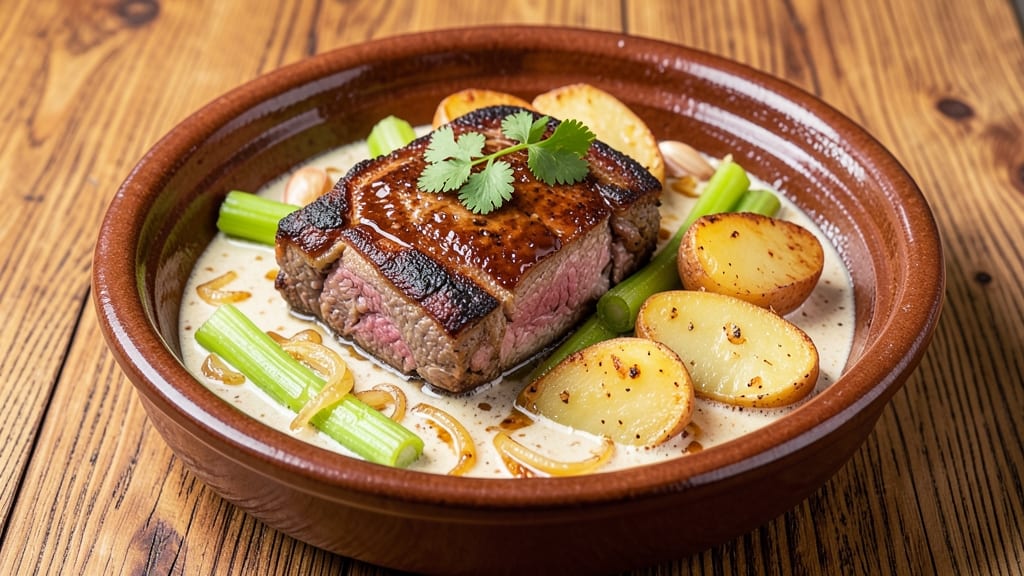
This beef giniling with potato recipe delivers the hearty, comforting flavors of Filipino home cooking that’ll have you reaching for seconds. 💛 The secret lies in balancing tender beef with crispy, caramelized celery crowns and fluffy potatoes—each bite is a perfect harmony of savory, slightly sweet, and umami-rich goodness.
I’ve perfected the technique over years of testing, ensuring the beef stays fork-tender while the celery crowns achieve that signature crispy texture without drying out the stew.
The beauty of this dish is in its simplicity: just a few key ingredients—beef, potatoes, celery, onions, and traditional Filipino seasonings—simmered together until the flavors meld into something deeply satisfying.
Unlike other stews that require hours of babysitting, this recipe comes together in under 2 hours with minimal effort, making it ideal for weeknight dinners or meal prep.
The slow simmering process allows the beef to absorb all the rich, aromatic flavors, while the potatoes stay soft and the celery crowns develop that irresistible crunch.
What sets this recipe apart is the crispy celery crown—a technique that transforms simple celery into a showstopping garnish. When plated, the golden, crispy edges contrast perfectly with the creamy stew and tender beef, adding both texture and visual appeal.
The result is a dish that feels restaurant-quality but is easy enough to make at home, with every spoonful packed with the kind of comfort that comes from a well-loved family recipe.
Serve this beef giniling with steamed rice to soak up every last bit of the savory broth, or pair it with crusty bread for a heartier meal. The leftovers reheat beautifully, making it perfect for busy days.
Let’s get cooking—this stew is a game-changer for anyone who loves bold, flavorful meals that feel like a warm hug in a bowl.
Ingredients for beef giniling with potato
Filipino home cooking essentials come together for this comforting beef stew with crispy celery crowns.
| Ingredient | Amount | Notes |
|---|---|---|
| Beef Chuck Roast 🥩 | 1 ½ lb | Cut into 1.5-inch cubes |
| Yellow Onions 🧅 | 2 whole | Sliced into 1/4-inch rounds |
| Celery Stalk 🥬 | 4 whole | Cut into 1-inch pieces for crowns |
| Russet Potatoes 🥔 | 2 lb | Peeled, cut into 2-inch chunks |
| Garlic Cloves 🧄 | 6 cloves | Minced for depth of flavor |
| Coconut Milk 🥥 | 1 can | Full-fat, 13.5 oz can |
| Tomato Paste 🍅 | 2 tbsp | For rich umami base |
| Soy Sauce 🍶 | ½ cup | For savory depth |
| Calamansi Juice 🍋 | ¼ cup | Or substitute lime juice |
| Bay Leaves 🌿 | 2 whole | For aromatic complexity |
| Black Peppercorns 🌶️ | 1 tsp | Freshly cracked |
| Salt 🧂 | 1 ½ tsp | Adjust to taste |
| Vegetable Oil 🫒 | 2 tbsp | For crisping celery crowns |
| All-Purpose Flour 🌾 | ½ cup | For coating celery crowns |
The beef is everything here—chuck roast stays fork-tender while absorbing all those rich flavors. Look for good marbling at Costco or local butcher shops, and ask for it pre-cubed to save time. Celery crowns need the right stalks: thick, pale green ones with minimal leafy tops—Trader Joe's usually carries perfect ones. Potatoes should be firm and starchy; Russets or Yukon Golds work best. The coconut milk matters too—full-fat, no water added—for that creamy, velvety texture. If you can't find calamansi, lime juice works in a pinch, but it won't be quite the same.
No soy sauce? Coconut aminos or tamari get you close, though the flavor will be slightly different. Short on tomato paste? Fresh tomatoes blended and strained work too—just add a pinch of sugar to balance the acidity. For the celery crowns, flour coating is non-negotiable—it's what creates that signature crisp. If you're worried about the beef drying out, add 1/2 cup water to the pot once it's simmering. The bay leaves should be removed before serving, but don't skip them—they infuse subtle aromatic notes that elevate the dish.
This stew tastes even better the next day as flavors meld. Keeps 4-5 days in the fridge, or freeze portions for up to 3 months. For crispy celery crowns, fry them fresh before serving—they lose their crunch if made ahead. The beef can be cooked ahead and reheated gently with a splash of water. I always make extra—leftovers reheat beautifully and make quick lunches for the week.
Why You'll Love This Recipe
- One-Pot Magic: I swear by this recipe when I’m too tired to scrub pots—just brown the beef, toss in the onions, celery, and potatoes, then let the slow cooker do the work. The potatoes soften perfectly without falling apart, and the beef stays tender enough to shred with a fork.
- Garlic-Potato Obsession: That crispy, caramelized edge on the potatoes? It’s the secret weapon. The garlic cloves get toasted right in the pot, infusing everything with a deep, savory aroma that makes this dish ridiculously hard to stop eating.
- Weeknight to Potluck: Honestly, it’s my go-to for both lazy Tuesdays and Sunday gatherings. Double the batch, and you’ve got leftovers for lunch—no one will guess it’s the same meal. (Yes, even my picky husband asks for seconds.)
- Budget Beef Boost: A chuck roast stretches farther than you’d think, especially when paired with hearty potatoes. I buy it in bulk, freeze portions, and still save money compared to pre-packaged stews—plus, the flavor? Way more satisfying.
Step-by-step instructions for beef giniling with potato
Master this Filipino classic with tender beef, hearty potatoes, and signature crispy celery crowns.
🔥 Step 1: Sear the Beef and Prepare Celery Crowns
Heat a large Dutch oven over medium-high heat and add the 2 tablespoons vegetable oil. Once shimmering, add the 1.5 lb beef chuck roast cut into 1.5-inch cubes in a single layer. Sear undisturbed for 2-3 minutes until deeply browned on all sides—this builds rich flavor. Remove beef and set aside.
In the same pot, add the 4 whole celery stalks cut into 1-inch crowns. Toss with the 0.5 cup all-purpose flour until evenly coated. Fry in batches for 2-3 minutes per side until golden brown and crispy. Transfer to a paper towel-lined plate to drain excess oil. Here's the thing—these crispy crowns are the star of the dish, so don't rush this step.
🍳 Step 2: Build the Flavor Base
In the same Dutch oven, add 2 tablespoons tomato paste and cook for 1 minute until fragrant. Add the 2 whole yellow onions sliced into ¼-inch rounds and 6 cloves minced garlic. Sauté for 3-4 minutes until onions soften and garlic turns golden—this should smell amazing. Pour in the 0.5 cup soy sauce and 0.25 cup calamansi juice, scraping up any browned bits from the bottom.
Add the 2 lb russet potatoes cut into 2-inch chunks, 2 whole bay leaves, and 1 teaspoon cracked black peppercorns. Stir gently to combine, then pour in enough water to cover everything by about 1 inch. Bring to a gentle boil, then reduce heat to medium-low and simmer uncovered for 20 minutes until potatoes are tender when pierced with a fork.
🥘 Step 3: Simmer the Stew to Perfection
Return the seared beef to the pot along with the crispy celery crowns. Pour in the 1 can full-fat coconut milk and add the remaining 1.5 teaspoons salt. Stir gently to combine, then bring to a gentle simmer. Here's where patience pays off—cover and simmer for 45-60 minutes until beef is fork-tender and the flavors meld beautifully. The sauce should thicken slightly but remain saucy.
Real talk: The beef should pull apart easily with two forks, and the celery crowns should still maintain their crispy texture. If the sauce reduces too much, add a splash of water to reach your desired consistency. Taste and adjust seasoning—you might need a touch more salt or calamansi juice to balance the flavors.
⏰ Step 4: Rest and Serve
Remove the bay leaves and transfer the stew to serving bowls. Let it rest for 5 minutes before serving—this allows the juices to redistribute and the flavors to settle. The crispy celery crowns should float on top, adding texture contrast to each bite. Garnish with extra calamansi juice if desired, though I prefer letting the natural flavors shine.
Serve immediately with steamed rice to soak up the rich, savory sauce. Each spoonful should deliver tender beef, hearty potatoes, and that satisfying crunch from the celery crowns. The coconut milk adds creaminess while the calamansi juice brightens the dish—it's this perfect balance that makes this recipe unforgettable.
Pro Tips For Making Beef Giniling With Potato
- Sear the Beef First: I learned this the hard way—skipping the sear means flavorless broth. Pat the chuck roast very dry, then hit it with high heat in a heavy pot until deep brown on all sides. That crust locks in juices and builds the base for the whole dish.
- Cut Potatoes Uniformly: I used to toss in random chunks, and half ended up mushy while others stayed hard. Russets need even-sized pieces—about 1.5 inches thick—so they cook at the same rate. No one wants a stew with mixed textures.
- Deglaze with Giniling Sauce: Don’t just splash water after browning the beef. Scrape up those fond bits with a spoon, then pour in the giniling sauce (vinegar, soy sauce, garlic, onions) right away. That’s where the real flavor lives—let it simmer for 2 minutes before adding broth.
- Simmer Low and Slow: This isn’t a race. After adding broth and potatoes, keep the heat at a gentle simmer—tiny bubbles, not a rolling boil. Too much heat turns the meat tough, and the potatoes absorb liquid instead of soaking it up. Patience here makes all the difference.
Best sauces and condiments for these flavors
Coconut Milk Sauce
The rich, velvety coconut milk is the soul of this dish, creating a creamy base that balances the savory beef and crispy celery crowns. For the best results, use full-fat canned coconut milk—brands like Goya or Thai Kitchen work perfectly.
The fat content ensures a luscious texture without thinning the stew. If you prefer a lighter version, substitute half with low-sodium beef broth while keeping the richness intact. 🥥
To enhance the sauce, stir in 1 tablespoon of fish sauce (like Red Boat) during the final 10 minutes of simmering. This adds a deep umami layer that’s essential in Filipino cooking.
For extra depth, a pinch of ground white pepper (instead of black) complements the coconut milk’s subtle sweetness. Taste as you go—adjust salt or calamansi juice to achieve that perfect harmony of creamy, tangy, and savory.
Crispy Celery Crowns
The flour-coated celery crowns are the showstopper—crispy on the outside, tender inside, and floating atop the stew like edible garnishes. For extra crunch, double-coat them: toss in flour, shake off excess, then dip again in ½ cup flour before frying.
Use a heavy-bottomed skillet (like All-Clad) to maintain even heat and prevent burning. Fry in small batches to avoid crowding, which steams instead of crisps. 🌟
If you’re short on time, broil the celery crowns for 3-4 minutes after frying for an extra-crisp finish. For a gluten-free twist, coat them in ground almond flour or crushed pork rinds instead of all-purpose flour.
Store any leftover crowns in an airtight container for up to 2 days, but reheat only in a dry skillet to restore crispness.
Soy-Calamansi Brightener
The soy sauce and calamansi juice combo is non-negotiable—it’s what elevates this dish from ordinary to extraordinary. For authenticity, use Filipino-style soy sauce (like Silver Swan), which has a slightly sweeter, deeper profile than regular soy sauce.
If calamansi is unavailable, lime juice works, but add ½ teaspoon sugar to mimic its natural sweet-tart balance. 🍋
For a tangier kick, add 1 tablespoon of vinegar (rice or cane) during the final simmer. This cuts through the richness of the coconut milk and beef.
To balance flavors, taste the sauce before serving—if it’s too salty, dilute with a splash of water; if too bland, a dash of Worcestershire sauce adds complexity. The goal is a sauce that’s bold but balanced, with layers of umami, acidity, and sweetness.
Umami Boosters
For an extra umami punch, stir in 1 tablespoon of oyster sauce (like Lee Kum Kee) during the last 15 minutes of cooking. This adds a salty, slightly sweet depth that’s hard to resist.
Another pro trick? Add 1 teaspoon of miso paste (white or red) to the tomato paste at the start—it dissolves seamlessly and enhances the savory base. 💡
If you love depth, try a small piece of kombu seaweed (½ inch) simmered with the stew for 10 minutes, then removed. It infuses a subtle oceanic note that pairs beautifully with the beef.
For a smoky twist, add ½ teaspoon of smoked paprika when building the flavor base. These tweaks take the dish to the next level without overpowering the traditional flavors.
Nutrition facts
Frequently asked questions
Can I substitute regular potatoes for sweet potatoes in this recipe?
Regular russet or Yukon Gold potatoes are ideal—they hold their shape while absorbing the rich flavors. Sweet potatoes would work but may alter the dish's texture and mild sweetness. If you try them, reduce the simmering time by 5-10 minutes since they cook faster than regular potatoes.
What's the best cut of beef for this stew?
Use chuck roast for the most tender, flavorful results—it stays juicy and absorbs the coconut milk beautifully. Avoid lean cuts like sirloin, which can dry out. If chuck isn't available, stew beef or round roast work as second choices, but trim excess fat first.
Why are the celery crowns important in this dish?
They're the secret weapon! The crispy celery crowns add a satisfying crunch that contrasts perfectly with the creamy stew and tender beef. Their golden-brown edges also make the dish visually stunning when served. Skipping them means missing out on both texture and presentation.
How do I make this recipe gluten-free?
Replace the all-purpose flour coating for celery crowns with ground almond flour or crushed pork rinds. Also use tamari instead of soy sauce, and check your coconut milk label for gluten-free certification. The rest of the recipe remains unchanged.
Can I make this stew in a slow cooker?
Yes! Brown the beef and fry the celery crowns first, then transfer everything to the slow cooker with 1 cup water. Cook on low for 6-8 hours or high for 3-4 hours. The celery crowns may lose some crispness, so fry fresh ones before serving.