Breakfast & Brunch
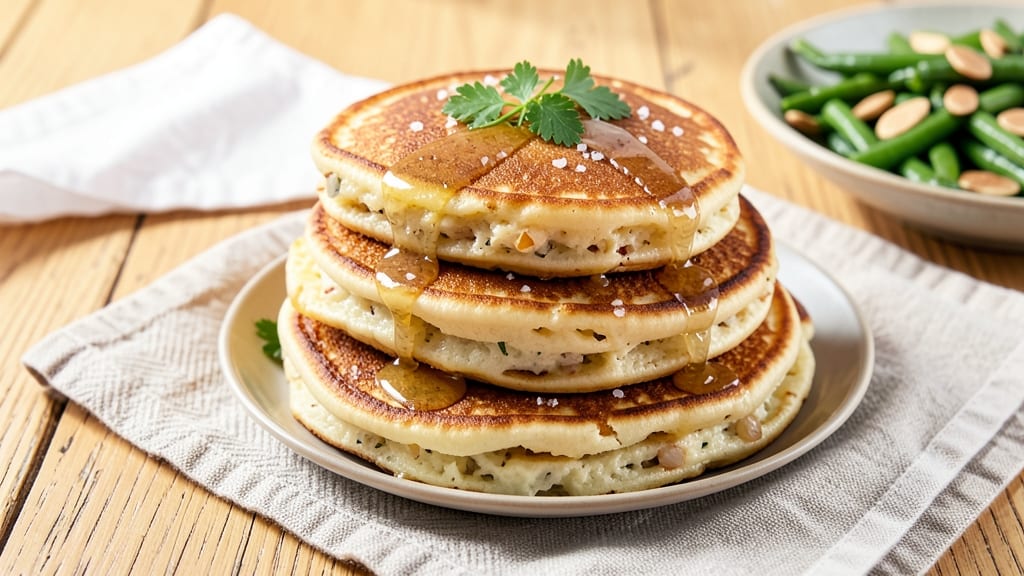
This best mashed potato pancake recipe ever delivers the perfect balance of golden crispy edges and fluffy centers that’ll make you forget about takeout. 🔥 The secret lies in using starchy potatoes (like Russets) and letting the batter rest—this simple technique transforms humble mashed potatoes into irresistible pancakes that crisp up beautifully in the pan.
What sets this recipe apart is the foolproof method that ensures every bite is tender inside with a satisfying crunch. No one will believe you made them from scratch—they’ll look like they came straight from a diner.
The pancakes hold together perfectly, so you won’t end up with a greasy mess, and they cook up in just 10 minutes once the batter is ready.
Once you try these, you’ll never go back to store-bought versions. The flavor is rich and comforting, with just the right amount of buttery richness from the pan.
They’re ideal for breakfast, brunch, or even a hearty side dish. Add-ins like cheese, herbs, or bacon take them to the next level, but the classic version is already unbeatable.
This recipe is designed to be simple yet impressive, so even beginners can achieve restaurant-quality results. The key steps—grating, frying, and timing—are straightforward, and the tips in the next section will help you nail the texture every time. Let’s get started!
Ingredients for best mashed potato pancake recipe ever
These golden ingredients transform humble potatoes into crispy, fluffy pancakes that’ll impress everyone.
| Ingredient | Amount | Notes |
|---|---|---|
| Russet Potatoes 🥔 | 2 lb | Starchy, peeled and grated |
| Large Eggs 🥚 | 2 whole | Room temperature for best binding |
| All-Purpose Flour 🌾 | ½ cup | For structure and crispiness |
| Shallots 🧅 | 2 whole | Minced for aromatic depth |
| Unsalted Butter 🧈 | 4 tbsp | Cold, cubed for rich flavor |
| Salt 🧂 | 1 ½ tsp | Kosher or sea salt preferred |
| Black Pepper 🌶️ | ½ tsp | Freshly ground for warmth |
| Vegetable Oil 🫒 | 1 cup | For frying, high smoke point |
| Garlic Cloves 🧄 | 2 cloves | Minced for subtle garlic punch |
| Fresh Chives 🌿 | 2 tbsp | Chopped, for fresh herb finish |
| Sour Cream 🥛 | ¼ cup | For serving, optional |
| Extra-Virgin Olive Oil 🫒 | 1 tbsp | For drizzling after cooking |
Russet potatoes are non-negotiable here—their high starch content gives that perfect golden crunch. Buy a 2-pound bag from Trader Joe's or your local market for the best texture. Peeled and grated, they should yield about 4 cups of shredded potato. Don't skip the grating—a food processor works, but a box grater gives you that classic diner-style texture. For extra crispiness, let the grated potatoes sit for 10 minutes before mixing. The shallots? Fresh is best, but if you're in a pinch, jarred minced shallots work in a bind. Just drain them well first—excess moisture kills crispiness.
No eggs? Flax eggs (1 tbsp ground flaxseed + 3 tbsp water = 1 egg) work perfectly, though texture might be slightly denser. Swap the butter for vegan butter or coconut oil if needed, but trust me on the full-fat version—it makes all the difference. Fresh chives can be skipped, but dried chives at half the amount add a nice finish. The vegetable oil for frying? Any neutral oil with a high smoke point works—canola, peanut, or avocado oil are all great choices. Keep the heat medium-high for that perfect golden crust without burning. And if you're feeling fancy, add a pinch of smoked paprika to the batter for a subtle depth.
These pancakes reheat beautifully—just pop them in a 350°F oven for 5-7 minutes to restore crispiness. Store leftovers in an airtight container in the fridge for up to 3 days, or freeze for 2 months between parchment paper. I like to portion them into single servings before freezing so I can grab and reheat just what I need. For serving, keep the sour cream cold and the olive oil at room temperature—drizzling it warm over the pancakes right before eating is a game-changer. Make a big batch and freeze extras—they're perfect for lazy breakfasts all week.
Why You'll Love This Recipe
- Here’s what sold me: the golden, shatteringly crisp edges with a pillowy center. The butter in the mash isn’t just flavor—it’s the secret to that sizzle in the pan, while the shallots add this subtle, savory depth that makes them taste like you slaved over them. (Spoiler: you didn’t.)
- I’ll be real: most potato pancakes dry out or turn gummy by day two. Not these. The flour-to-potato ratio keeps them moist, and they reheat like a dream in the oven or air fryer. Plus, they’re cheap to make—Russets and eggs stretch far, so you’re not breaking the bank for seconds.
Step-by-step instructions for golden crispy potato pancakes
Here's how to achieve that perfect balance of crispy golden edges and fluffy, pillowy centers every time.
👨🍳 Step 1: Cook and Mash the Potatoes for Maximum Fluff
Peel the 2 lb russet potatoes and cut them into ½-inch chunks. Place them in a medium pot, cover with cold water by about 2 inches, and add 1 tsp of the salt. Bring to a boil over high heat, then reduce to a simmer for 15-20 minutes until fork-tender. Drain thoroughly and return to the pot.
Let the potatoes steam-dry for 2 minutes with the lid off—this removes excess moisture that would make your pancakes soggy. Then mash them with 2 tbsp of the unsalted butter and ½ tsp of the salt until completely smooth. You want a texture like thick mashed potatoes with no lumps. Let the mash cool slightly before proceeding—it should be warm but not hot when you mix in the eggs.
🍳 Step 2: Build the Perfect Pancake Batter
In a large bowl, whisk together the 2 whole large eggs until frothy. Add the cooled potato mash and mix until fully combined. Stir in the 0.5 cup all-purpose flour, 0.5 tsp black pepper, 2 whole minced shallots, and 2 cloves minced garlic. The batter should be thick but pourable—like a very sturdy pancake batter. If it's too thick, add 1-2 tablespoons of cold water to loosen it.
This is where the magic happens. The eggs bind everything together while the flour creates that perfect crispy exterior. Don't skip the cooling step—hot potato mash will cook the eggs and make your pancakes gummy instead of fluffy. The shallots and garlic add incredible depth of flavor without overpowering the potatoes.
🔥 Step 3: Fry to Golden Perfection
Heat 1 cup vegetable oil in a large skillet over medium heat until it reaches 350°F—use a thermometer for accuracy. The oil should be hot enough to sizzle gently when you add a small piece of batter. Working in batches (you'll have about 4-6 pancakes total), drop ¼ cup portions of batter into the oil, flattening slightly with a spatula.
Fry for 3-4 minutes per side until deep golden brown and crispy. You'll know they're done when they release easily from the pan and the edges are crisp with a slight char. Don't overcrowd the pan—this lowers the oil temperature and makes them greasy instead of crispy. Transfer to a paper towel-lined plate to drain excess oil.
🥘 Step 4: Serve with Flavor-Packed Toppings
While still warm, drizzle the pancakes with 1 tbsp extra-virgin olive oil and sprinkle with 2 tbsp chopped fresh chives. Serve immediately with 0.25 cup sour cream on the side for dipping. The contrast of crispy exterior and fluffy interior is what makes these pancakes legendary—every bite should deliver that perfect texture combination.
Here's the thing—these pancakes are best served right away while they're piping hot. The crispiness starts to soften as they cool, so eat them within 10 minutes of frying. If making ahead, keep them warm in a 200°F oven on a wire rack for no more than 20 minutes, but fresh is always better. The sour cream adds a creamy contrast that balances the richness of the potatoes perfectly.
Pro Tips For Making Best Mashed Potato Pancake Recipe Ever
- Dry the Potatoes Thoroughly: Skip the "close enough" towel-drying step after boiling—these pancakes fall apart if even a little moisture lingers. Pat them completely dry with a kitchen towel, then let them sit uncovered for 5 minutes. I learned this the hard way when my first batch turned into a soggy mess.
- Use Cold Butter: Chill that unsalted butter before mixing it into the potato mash—room temperature butter makes the batter too soft, leading to greasy pancakes. Cut it into small cubes and fold them in last, letting them melt just enough to bind without overworking the mixture. (Yes, even if you're impatient like me.)
- Don’t Overmix the Batter: Once you add the flour and eggs, stir just until combined—lumpy is better than smooth. Overmixing develops gluten, which turns your pancakes into dense, chewy bricks instead of light, fluffy clouds. Think "fold in" rather than "beat like pancake batter."
- Sauté Shallots First: Cook the shallots in butter until they’re golden and just starting to caramelize before adding them to the batter. This adds depth of flavor that raw shallots can’t match, and the residual butter in the pan gives your pancakes an extra-rich crust. (Skip this, and you’re missing the best part.)
Common mistakes when making this recipe
Overmixing the Batter
I’ve ruined more pancakes than I’d admit by overmixing the batter after adding the flour. The moment you stir in that ½ cup all-purpose flour, stop mixing as soon as it’s just combined—overworking it develops gluten, which makes your pancakes tough instead of tender.
Think "lumpy but unified," not "smooth like pancake batter." The goal is a thick, shaggy texture that holds together when fried. 🥔
Skipping the Rest Time
If you rush and fry the batter immediately after mixing, you’ll end up with dense, greasy pancakes. The batter needs 10-15 minutes to rest—this lets the starches hydrate and the eggs fully bind.
I’ve seen home cooks skip this step and wonder why their pancakes fall apart or taste gummy. Trust the process: let it sit while you heat the oil.
Using the Wrong Potatoes
Russets are non-negotiable for crispy edges, but I’ve seen people grab waxy potatoes like Yukon Golds or red potatoes. These varieties have too much moisture and not enough starch, leading to soggy pancakes.
If you must use a different potato, boil them longer to remove excess moisture, but Russets are your best bet. Pro tip: Let the grated potatoes sit in a colander for 5 minutes to squeeze out extra liquid before mixing.
Oil Temperature Too Low
Medium heat sounds safe, but your oil needs to be 350°F—any lower, and you’ll get greasy, pale pancakes. Test it: drop a pinch of batter in—if it sizzles vigorously and floats, you’re good.
I’ve burned pancakes by cranking the heat too high, but the real mistake is frying at 300°F or below. Invest in a cheap thermometer ($10) to avoid this common pitfall.
Overcrowding the Pan
Frying two pancakes at once might seem efficient, but it steals heat and makes them steam instead of crisp. Work in batches of one pancake per ¼ cup batter portion, giving them space to brown.
I’ve seen home cooks jam the pan and end up with sad, limp pancakes. A 10-inch skillet is ideal—any smaller, and you’ll struggle with spacing.
Not Draining the Potatoes Well
After boiling, potatoes release a lot of water. Skimping on draining leads to a watery batter that won’t bind properly. After mashing, spread the potatoes on a clean towel and press with another towel to soak up excess moisture.
I’ve had pancakes fall apart because I rushed this step—take the extra 2 minutes to dry them thoroughly. 💡
Nutrition facts
Frequently asked questions
Can I use leftover mashed potatoes for these pancakes?
Leftover mashed potatoes work perfectly—they're already broken down for that ideal texture. Just make sure they're completely cooled before mixing with eggs and flour. For extra crispiness, add 1 extra tablespoon of flour to compensate for any dried-out starches. The key is keeping the batter thick but pourable.
How do I make these pancakes healthier?
Swap the vegetable oil for avocado oil (healthier fats) and use whole wheat flour instead of all-purpose. Reduce the butter to 2 tbsp total and add ½ cup grated zucchini or cauliflower rice to the batter for moisture without extra calories. Bake at 400°F for 20 minutes instead of frying for a lighter version.
Why are my pancakes falling apart when frying?
This usually happens from one of three issues: undercooked potatoes (boil until fork-tender), not enough flour (add 1 extra tbsp if needed), or overmixing the batter. Stop stirring immediately after combining all ingredients—just mix until "lumpy but unified." Let the batter rest 10 minutes before frying to help binding.
Can I add cheese or other mix-ins?
Yes! Try ½ cup shredded cheddar or Gruyère for gooey pockets, ¼ cup chopped bacon for smoky flavor, or 1 tbsp fresh dill for brightness. For extra crispiness, add 2 tbsp panko breadcrumbs to the batter. Just don't overdo it—too many mix-ins can make the pancakes dense. Start with ½ cup total of add-ins.
How long can I store the batter before frying?
The batter stays fresh in the fridge for up to 24 hours in an airtight container. For best results, let it come to room temperature before frying. If storing longer, freeze the batter (without oil) for up to 1 month. Thaw overnight in the fridge, then proceed with frying as usual. The texture remains perfect when properly stored!