Side Dishes
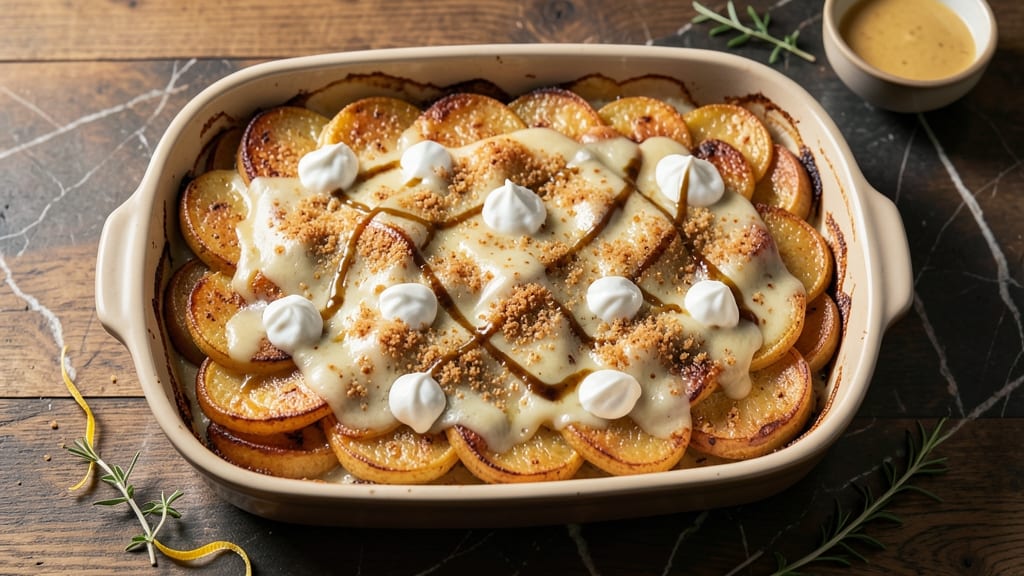
This best ever potato casserole delivers the perfect balance of ultra-creamy cheese sauce and crispy golden top—a crowd-pleasing side that turns every meal into a showstopper.
The secret lies in layering thinly sliced potatoes with a rich, velvety cheese mixture and topping them with buttery breadcrumbs for that coveted crunch. After years of testing variations, this recipe consistently earns rave reviews for its tender texture and restaurant-quality flavor without requiring fancy techniques.
What sets this potato casserole apart is the foolproof method that ensures creamy, melt-in-your-mouth potatoes every time. A blend of sharp cheddar and creamy sour cream creates the signature sauce, while a touch of mustard adds depth that elevates ordinary potatoes to extraordinary status.
The baking process transforms the top into a golden, crispy crust that holds up perfectly when serving—no soggy corners here.
By the time it emerges from the oven, you'll have a creamy, cheesy masterpiece with a texture that's impossible to resist. The potatoes stay tender while absorbing the rich sauce, and the crispy topping adds a satisfying contrast with every bite.
This isn't just another side dish; it's the kind of recipe that makes people ask for seconds and saves you from takeout night after night.
Perfect for family dinners, holiday gatherings, or meal prep, this casserole scales easily to feed a crowd while maintaining its signature texture. The best part? It only requires 30 minutes of prep and 45 minutes in the oven, making it a weeknight-friendly dish that still feels special.
Ready to make the best potato casserole you've ever tasted? Let's get started.
Ingredients for best potato casserole recipe ever
These 13 ingredients transform into the creamiest, crispiest potato casserole you'll ever make.
| Ingredient | Amount | Notes |
|---|---|---|
| Russet Potatoes 🥔 | 3 lb | Thinly sliced, uniform thickness |
| Sharp Cheddar Cheese 🧀 | 2 cups | Shredded, aged variety preferred |
| Sour Cream 🥛 | 1 cup | Full-fat for maximum creaminess |
| Heavy Cream 🥛 | ½ cup | Not light cream—trust me |
| Dijon Mustard 🌶️ | 1 tbsp | For that signature depth |
| Dry Breadcrumbs 🍞 | 1 cup | Panko for extra crunch |
| Melted Butter 🧈 | ½ cup | Unsalted, cooled slightly |
| Granulated Garlic 🧄 | 1 tsp | Or 1 clove fresh, minced |
| Ground Black Pepper 🌶️ | ½ tsp | Freshly cracked preferred |
| Diamond Crystal Kosher Salt 🧂 | 1 tbsp | Adjust to taste |
| Milk 🥛 | ½ cup | Whole milk for creaminess |
| Green Onions 🧅 | 2 whole | Thinly sliced, for garnish |
| Parmesan Cheese 🧀 | ¼ cup | Freshly grated for topping |
The potatoes are everything here—Russets are non-negotiable for their fluffy texture. Grab the biggest bag you can find (usually 5 lb at WinCo or Costco), and slice them paper-thin with a mandoline or sharp knife. If you're feeling fancy, soak them in cold water for 10 minutes first to remove excess starch. The sharp cheddar should have visible aged crystals—Babybel or Cabot are my go-tos. For the mustard, Dijon is essential—that tang cuts through the richness and makes the whole dish sing. Pro tip: measure your breadcrumbs after toasting them in a dry pan for 5 minutes—they'll puff up and give you that perfect crispy top.
No sharp cheddar? Colby Jack or Monterey Jack work in a pinch, but the flavor won't be quite the same. Running low on sour cream? Greek yogurt at half the amount gives you that tangy kick. The heavy cream can be swapped for half-and-half**, but you'll lose some richness. For the garlic, granulated is fine, but if you've got fresh, mince it and toast it in the butter first—game changer. The breadcrumbs can be regular, but panko gives you that Michelin-star crunch**. And if you're prepping ahead, make the cheese sauce a day early and let the flavors meld—it's worth the wait.
This casserole reheats like a dream—450°F for 20 minutes—and tastes even better the next day. Store leftovers in the fridge for up to 5 days>, covered tightly to keep that crispy top intact. For meal prep, assemble it in a disposable foil pan, bake as directed, then freeze it unbaked. When ready to serve, just thaw and bake—no need to defrost first. The green onions add a pop of color and freshness, but they're optional if you're serving it right away. And if you make a double batch, you'll have leftovers for a week of lunches—trust me on this.
Why You'll Love This Recipe
- One-Pan Magic: I swear by this for lazy nights—just peel, slice, and layer. No chopping boards to wash, no extra pots, just one sheet pan that does all the work while you sip wine and pretend you’re a fancy chef.
- Cheese Pull Factor: That sharp cheddar melts into a golden blanket, but here’s the secret: the Dijon mustard cuts through the richness, giving it a tangy kick that makes it taste restaurant-worthy—not just casserole-worthy.
- Budget Buster: Russets are cheap, cheddar stretches, and heavy cream makes it feel special without breaking the bank. I’ve fed six people for under $15, and my picky-eater husband still asks for seconds—proof it’s a crowd-pleaser that won’t drain your wallet.
Step-by-step instructions for ultra-creamy potato casserole
Here's how to create the perfect balance of creamy, cheesy goodness with a golden, crispy topping.
Prep and Layer the Potatoes
Preheat your oven to 375°F—this is the magic temperature for that perfect creamy center and crispy top. Peel and thinly slice the 3 lb Russet Potatoes into ⅛-inch thick rounds. I use a mandoline for even slices, but a sharp knife works too if you take your time. Arrange the potato slices in a single layer in a 9x13-inch baking dish, slightly overlapping them like fish scales. This ensures even cooking and maximum surface area for that creamy sauce.
Season each layer generously with ½ teaspoon of the Diamond Crystal Kosher Salt and ¼ teaspoon of the Ground Black Pepper—this early seasoning lets the flavors meld as they cook. If you have any leftover salt or pepper, save it for later steps. You'll want to distribute the remaining seasonings evenly throughout the casserole.
Make the Creamy Cheese Sauce
In a medium saucepan, combine the 2 cups Sharp Cheddar Cheese, 1 cup Sour Cream, 0.5 cup Heavy Cream, 0.5 cup Milk, 1 tbsp Dijon Mustard, 1 tsp Granulated Garlic, and the remaining ½ teaspoon Ground Black Pepper. Place the saucepan over medium-low heat and stir gently until the cheese melts completely and the mixture becomes smooth and creamy—this should take about 3-5 minutes. Here's the thing—don't rush this step. The sauce needs to be fully emulsified so it doesn't separate later.
Once the sauce is silky and smooth, remove it from heat. Taste and adjust the seasoning if needed—you might want to add a pinch more salt or a splash of milk to reach your ideal consistency. The sauce should be thick enough to coat the back of a spoon but still pourable. Pour this luxurious mixture evenly over the layered potatoes, pressing down gently to help it seep between the slices. This ensures every bite is packed with that ultra-creamy goodness.
Create the Crispy Topping
In a small bowl, mix together the 1 cup Dry Breadcrumbs, 0.25 cup Parmesan Cheese, and the remaining 1 tbsp Diamond Crystal Kosher Salt. This topping is where the magic happens—it's what gives your casserole that irresistible crunch. For extra flavor, you can also add 1 tbsp thinly sliced Green Onions to this mixture. Sprinkle the topping evenly over the cheese sauce, pressing down lightly with your fingers to help it adhere.
Now, here's the critical part: drizzle the 0.5 cup Melted Butter evenly over the breadcrumb mixture. The butter will help create that golden, crispy crust we're all after. Use a pastry brush for even distribution, making sure to get into all the nooks and crannies. This step is worth taking your time with—every bit of that buttery goodness contributes to the final texture.
Bake to Perfection
Place the casserole in the preheated oven and bake for 45-50 minutes. The casserole is ready when the top is deep golden brown and the potatoes are tender enough to pierce easily with a fork. Here's my pro tip: if the top starts browning too quickly, tent it loosely with aluminum foil to prevent burning while still allowing the steam to escape.
When it's done, let the casserole rest for 10 minutes before serving. This resting period allows the layers to set and makes it easier to slice. The result should be a creamy, cheesy potato casserole with a golden, crispy top that's impossible to resist. Garnish with the remaining 2 whole Green Onions, thinly sliced, just before serving for a pop of color and freshness.
Serve and Enjoy
Use a sharp knife to cut the casserole into 6 equal servings, making sure to go through all layers for that perfect combination of creamy potatoes and crispy topping. Serve immediately while it's still warm and bubbly. The contrast between the creamy, cheesy filling and the crispy breadcrumb topping is what makes this casserole truly special. Trust me, once you try this version, you'll never go back to your old potato casserole recipe again.
Pro Tips For Making Best Potato Casserole Recipe Ever
- PARBOIL POTATOES FIRST: Russets hold their shape better when you blanch them 5 minutes in salted boiling water before slicing—prevents mush and keeps slices crisp at the edges. I used to skip this, and the casserole always turned into gluey sadness.
- GRATE CHEESE FRESH: Pre-shredded cheddar has anti-caking agents that make it clump like wet sand in your casserole. Grate your own sharp cheddar just before mixing—it melts smoother and browns better. (Yes, it’s a pain, but trust me.)
- BUILD LAYERS LIKE A LASAGNA: Alternate thin potato slices with the cream-cheese mixture, ending with a final layer of potatoes. This ensures every bite has both texture and flavor, not just a cheesy top crust. I learned this after making a version where half the dish was just soggy potatoes.
- COVER WITH FOIL HALFWAY: After 30 minutes in the oven, tent the casserole with foil to trap steam and finish cooking gently. Without this, the top dries out while the bottom stays wet—you end up with a sad, uneven texture. (Your future self will thank you.)
Storing and reheating this best potato casserole recipe ever
Refrigerator Storage
Store your potato casserole in an airtight container with a tight-fitting lid to preserve that crispy top. Let it cool completely before refrigerating—this prevents condensation that can make the breadcrumbs soggy. I use glass Pyrex containers because they distribute heat evenly when reheating.
Keep it refrigerated for up to 4 days, but the flavor actually improves after the first day as the cheeses meld together. 💫
Freezer Prep Tips
For long-term storage, assemble the casserole in a foil-lined baking dish and bake as directed. Let it cool completely, then wrap tightly with plastic wrap followed by aluminum foil to prevent freezer burn.
Label with the date and freeze for up to 3 months. The texture stays surprisingly crispy when reheated properly.
Oven Reheating
This is my preferred method for restoring that perfect texture. Transfer the casserole from the fridge to a cold oven, then preheat to 450°F. Bake uncovered for 20-25 minutes until the top is golden and bubbly.
The high heat crisps the breadcrumbs while keeping the potatoes creamy inside. For extra moisture, add 2 tablespoons of milk before reheating.
Microwave Method
For quick servings, cover the casserole with a damp paper towel to prevent drying. Heat on 50% power for 3-4 minutes, then stir and continue in 1-minute intervals until reaching 165°F internal temperature.
Add a splash of heavy cream if it looks dry—this mimics the original sauce consistency. The texture won't be as crispy as oven-reheated, but it's perfect for busy weeknights. 🔥
Make-Ahead Baking
Prepare the casserole completely, then refrigerate unbaked for up to 24 hours before baking. This actually enhances the flavor development. For holiday meals, assemble it the night before and bake straight from the fridge—no need to thaw first.
The slow rise in temperature creates an even more tender potato texture. Just add 5-10 minutes to your baking time if coming straight from the fridge.
Portioning Secrets
When reheating leftovers, portion individual servings into ramekins or small baking dishes. This ensures each piece gets properly heated without overcooking others. For family-style serving, cover with aluminum foil during reheating to maintain moisture, then uncover for the final 2-3 minutes to crisp the top.
The key is patience—rushing leads to soggy breadcrumbs and dry potatoes. ✨
Nutrition facts
Frequently asked questions
Can I use sweet potatoes instead of Russets?
Sweet potatoes will work, but the texture and flavor will differ significantly. Russets provide that classic fluffy, starchy base that absorbs the cheese sauce perfectly. Sweet potatoes stay slightly firmer and have a natural sweetness that may overpower the cheesy flavor. If you must use them, reduce the baking time by 10-15 minutes to prevent drying.
Why is my casserole top soggy instead of crispy?
This usually happens when the breadcrumb topping isn't properly sealed or the oven isn't hot enough. First, make sure your breadcrumbs are dry (toast them in a pan for 5 minutes if needed). Second, press them firmly into the cheese sauce before adding butter. Finally, bake at 375°F—any lower temperature will prevent proper browning. For extra insurance, broil for 2-3 minutes at the end.
What's the best way to make this vegetarian?
This recipe is already vegetarian-friendly, but you can enhance it with plant-based cheeses or add-ins. For extra richness, stir ½ cup vegan cream cheese into the sauce. You can also top with crispy chickpeas> or toasted nuts> for texture. Just ensure your breadcrumbs are egg-free if avoiding all animal products.
Can I make this casserole in a smaller baking dish?
Yes, but you'll need to adjust the baking time. For a 9x9-inch dish, reduce the quantity by 25% and bake for 35-40 minutes. For a 8x8-inch dish, use 50% of the recipe and bake for 30-35 minutes. The key is maintaining the same thickness of potato layers—⅛-inch slices work best for even cooking. Cover tightly with foil if concerned about over-browning.
How do I prevent the cheese from separating?
The cheese sauce can separate if heated too quickly or if the ingredients aren't properly emulsified. To prevent this, melt the cheese over medium-low heat and stir constantly. For extra insurance, whisk in 1 tablespoon of flour> or 1 teaspoon of cornstarch> at the end for a smoother texture. Also, avoid using pre-shredded cheese (it contains anti-caking agents that can cause separation).