
Sauces & Condiments
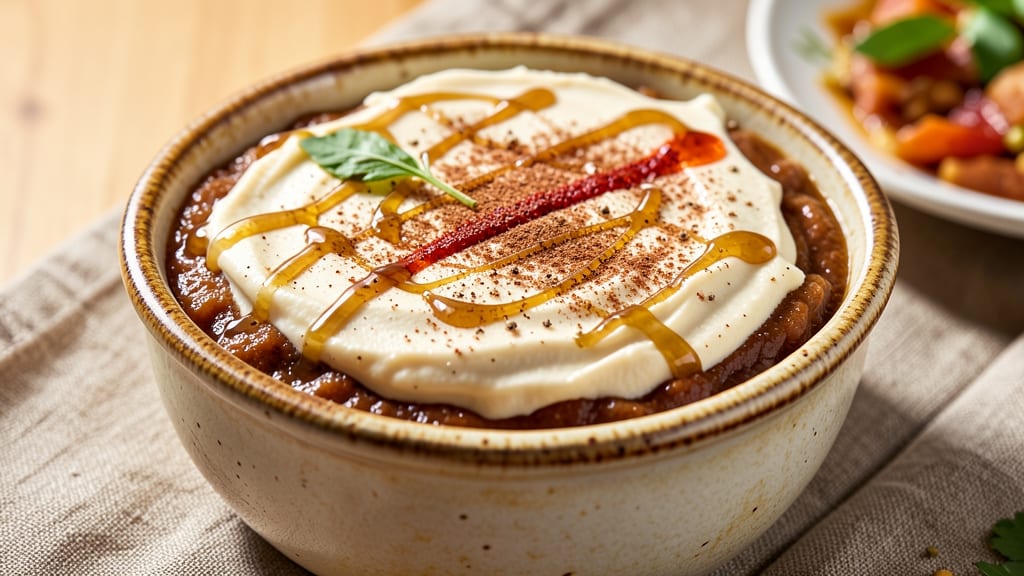
This sweet potato butter recipe for canning transforms humble sweet potatoes into a velvety, spiced spread that keeps for a full year—perfect for preserving harvests or gifting. The secret lies in slow cooking until perfectly smooth, then sealing that rich, caramelized flavor in sterilized jars.
Unlike dry mixes, this version delivers a luxurious, spreadable texture with every bite, ideal for toast, sandwiches, or roasted vegetables.
What sets this recipe apart is its professional-grade preservation method, using citric acid and proper water-bath canning to ensure safety and longevity. You’ll start with simple ingredients—sweet potatoes, coconut oil, and warm spices—but the process transforms them into a pantry staple with restaurant-quality depth.
The slow-cooking step develops natural sweetness while maintaining that velvety consistency, and the optional lemon juice adds brightness that prevents spoilage.
By the time you’re done, you’ll have jars of golden, aromatic sweet potato butter that taste freshly made even after 12 months.
The sterilization process guarantees no bacteria or mold, while the spiced blend—cinnamon, nutmeg, and a touch of cayenne—creates layers of warmth that pair beautifully with both sweet and savory dishes. This isn’t just a condiment; it’s a versatile ingredient that elevates everything it touches.
The best part? With just 30 minutes of active prep and a few hours of canning time, you’ll have a shelf-stable staple that rivals store-bought spreads—without the preservatives.
Whether you’re meal prepping for the year or creating homemade gifts, this recipe delivers professional results with beginner-friendly steps. Let’s get started on your preservation project.
Ingredients for sweet potato butter recipe for canning
Eleven ingredients transform humble sweet potatoes into a velvety, spiced spread with restaurant-quality depth.
| Ingredient | Amount | Notes |
|---|---|---|
| Organic Sweet Potatoes 🍠 | 4 lbs | Medium-sized, peeled and cubed |
| Unrefined Coconut Oil 🥥 | 1 cup | Extra-virgin for maximum flavor |
| Pure Maple Syrup 🍁 | ½ cup | Grade B for deeper caramel notes |
| Ground Cinnamon 🌿 | 2 tbsp | Ceylon cinnamon preferred |
| Ground Nutmeg 🌿 | 1 tsp | Freshly grated for potency |
| Cayenne Pepper 🌶️ | ½ tsp | Adjust for heat preference |
| Citric Acid 🧪 | ½ tsp | Critical for preservation |
| Fresh Lemon Juice 🍋 | 2 tbsp | Pasteurized for canning safety |
| Canning Salt 🧂 | ½ tsp | Diamond Crystal preferred |
| Filtered Water 💧 | ½ cup | For sterilization and processing |
| Pint-Sized Mason Jars 🥫 | 8 jars | With new lids and rings |
The sweet potatoes are the foundation—organic, medium-sized varieties develop the most caramelized sweetness during slow cooking. Local farmers markets often carry heirloom varieties like Beauregard or Garnet, which hold their shape better than russets. For maximum yield, peel and cube them uniformly—1-inch pieces ensure even cooking. The coconut oil isn't just fat; it's the carrier for those warm spices, so unrefined, extra-virgin quality from brands like Nutiva or Chosen Foods makes all the difference. If you're using pre-peeled sweet potatoes, rinse them thoroughly to remove any residual starch that could interfere with the smooth texture.
No organic sweet potatoes? Conventional varieties work fine, but scrub them well to remove dirt. Running low on coconut oil? Avocado oil at the same quantity maintains a neutral flavor profile, though it lacks the subtle coconut aroma. The maple syrup can be swapped for agave nectar or date syrup—just reduce by 1 tablespoon if using agave, as it's more concentrated. For the spices, pre-ground cinnamon from bulk bins at natural food stores stays fresher longer than jarred versions. If you can't find Ceylon cinnamon, regular ground cinnamon works, though it has a slightly stronger flavor. The citric acid is non-negotiable for preservation—never substitute with lemon juice alone, as it won't provide the same pH protection.
This recipe yields 8 pint jars, perfect for gifting or pantry stocking. The sterilized jars keep for 12 months unopened when stored in a cool, dark place. Once opened, transfer to the fridge and consume within 3 weeks. For best results, process the jars in a water-bath canner for 90 minutes—this ensures the citric acid and lemon juice create an acidic environment that inhibits bacterial growth. Label each jar with the date; the color deepens over time, but the flavor remains consistent. The spread thickens slightly upon refrigeration, so let jars sit at room temperature for 10 minutes before opening.
Why You'll Love This Recipe
- No-Fuss Blend: I swear by my food processor for this one—just toss in the roasted sweet potatoes, coconut oil, and maple syrup, then pulse until it’s smooth. No peeling, no dicing, no messier steps. The cinnamon and nutmeg even blend right in without extra effort.
- Warm Spice Magic: That first taste of creamy sweet potato with the deep, toasty warmth of cinnamon and nutmeg? It’s like autumn in a jar. The coconut oil keeps it rich without being heavy, and the maple syrup ties everything together in a way that’s subtly sweet but never cloying.
- Pantry Staple Power: Between us, this stuff disappears fast—on toast, in oatmeal, or even slathered on apple slices. I’ve canned jars of it to keep in the pantry for months, and honestly? It’s the secret weapon for quick breakfasts or last-minute desserts when I’m too tired to bake.
- Budget-Friendly Luxury: Sweet potatoes and maple syrup stretch further than you’d think, and the spices add depth without costing a fortune. A single batch feeds my family for days, and the leftovers? They turn into the best toast topping or a cozy smoothie boost when I’m in a rush.
Step-by-step instructions for sweet potato butter preservation
Transform fresh sweet potatoes into rich, spiced butter with a shelf life of up to one year.
Prepare the Sweet Potatoes and Processing Equipment
Begin by thoroughly washing the 4 lbs of organic sweet potatoes under cool running water to remove any dirt. Using a sharp peeler or vegetable knife, peel away the skin completely—any remaining bits will make the finished butter grainy. Cut the peeled sweet potatoes into ½-inch cubes for even cooking and faster processing.
While preparing the sweet potatoes, sterilize the 8 pint-sized mason jars, their lids, and rings by boiling them in a large pot of water for 10 minutes. This ensures a clean, bacteria-free environment for your preserved butter. Keep the jars hot until you're ready to fill them—condensation will form when you transfer the hot butter into them.
Cook the Sweet Potatoes Until Tender
In a large stockpot, combine the cubed sweet potatoes with the ½ cup of filtered water. Bring to a boil over medium-high heat, then immediately reduce to a simmer. Cover and cook for 15-20 minutes until the sweet potatoes are fork-tender and easily pierced with a knife. Drain any remaining water and transfer the cooked sweet potatoes to a food processor or high-powered blender.
At this stage, the sweet potatoes should be soft enough to mash between your fingers with minimal resistance. If any cubes remain firm, return them to the pot for an additional 3-5 minutes of cooking. The goal is to achieve a smooth, velvety texture—this is critical for the final butter's consistency.
Process the Sweet Potato Mixture
Add the cooked sweet potatoes to the food processor along with the 1 cup of unrefined coconut oil, ½ cup of pure maple syrup, 2 tbsp of ground cinnamon, 1 tsp of ground nutmeg, ½ tsp of cayenne pepper, ½ tsp of citric acid, 2 tbsp of fresh lemon juice, and ½ tsp of canning salt. Process on high speed, scraping down the sides as needed, until the mixture is completely smooth and creamy—this should take about 3-5 minutes.
The coconut oil will help create a rich, spreadable texture while the maple syrup balances the sweetness of the sweet potatoes. The citric acid is essential for preservation, preventing mold growth and extending shelf life. Taste the mixture and adjust the sweetness or spice levels if needed—this is your only chance to refine the flavor before canning.
Fill and Seal the Mason Jars
Using a ladle or large spoon, carefully fill each of the sterilized pint-sized mason jars with the sweet potato butter, leaving about ½-inch of headspace at the top. This space allows for thermal expansion during processing. Wipe the rims of the jars with a clean, damp cloth to ensure a proper seal.
Place the lids on the jars and screw on the rings until they are fingertip-tight—just until resistance is met. Do not overtighten, as this can cause the jars to break during processing. Arrange the jars in a canning rack or on a towel in your pressure canner, ensuring they are upright and not touching each other.
Process Under Pressure for Safe Preservation
Follow the manufacturer's instructions to bring your pressure canner to a 10-pound pressure setting. Once pressure is reached, process the jars for 75 minutes for pint-sized jars. This extended processing time ensures the sweet potato butter is safely preserved and free from harmful bacteria.
After processing, turn off the heat and allow the pressure to return to zero naturally—do not force the pressure release. Remove the jars and let them cool completely on a towel-lined counter. Check the seals after 24 hours—press the center of each lid; if it doesn't pop back up, the jar is properly sealed. Store the sealed jars in a cool, dark place for up to one year.
Pro Tips For Making Sweet Potato Butter Recipe For Canning
- Peel and Cube Small: Sweet potatoes shrink when cooked—buy a few extra or peel them first to check for soft spots. Cut into 1-inch cubes so they cook evenly and don’t turn to mush when blending later.
- Roast Until Caramelized: Don’t stop at softness—roast the sweet potatoes at 375°F (190°C) until edges darken and edges start to brown. This deepens the flavor and gives your butter that rich, toasty base.
- Cool Before Blending: Hot sweet potatoes release more moisture and make the coconut oil separate. Let them cool for 10 minutes after roasting—your blender will thank you, and the texture stays smooth.
- Use Less Maple Syrup: Start with 2 tablespoons less than the recipe calls for. You can always add more later, but overdoing it makes the butter cloying. Taste as you go—trust your palate over the recipe.
Perfect pairings for these flavors
Sweet Pairings
This velvety sweet potato butter shines on toasted sourdough—spread a thick layer and top with crispy bacon or pecans for a sweet-savory contrast. I love pairing it with Greek yogurt drizzled on top for extra creaminess.
For breakfast, try it on oatmeal with a sprinkle of granola and a drizzle of honey. 🍞
Savory Applications
Don’t limit this to sweet dishes! Use it as a glaze for roasted vegetables like Brussels sprouts or carrots. Toss warm butternut squash in a thin layer before baking for a caramelized finish. It also elevates grilled chicken or tofu—brush on before cooking for a sticky, flavorful crust. 🥕
Cheese Board Magic
Create a showstopping spread by pairing sweet potato butter with aged cheddar, brie, and sharp gouda. Add crackers, dried apricots, and walnuts for texture.
The warmth of the cinnamon and cayenne complements the richness of the cheese perfectly. Serve with sparkling apple cider for a festive touch. 🧀
Baking Boost
Add depth to muffin batters or pancake mixes by swapping butter for this spiced spread. Stir in 1-2 tablespoons per batch for a moist, flavorful twist.
It also works as a filling in stuffed French toast or cinnamon rolls—fold it into the dough before baking for a gooey surprise. 🍞
Global Fusion Twist
For a Mexican-inspired twist, mix sweet potato butter with chipotle powder and spread on tortillas with avocado. In Indian cuisine, blend it into chai tea for a creamy, spiced latte. Even Middle Eastern mezze benefit—spread on pita with hummus and olives for a unique dip. 🌎
Holiday Gift Idea
Package sealed jars in burlap sacks with a custom label for handmade gifts. Pair with dark chocolate squares or spiced nuts for a gourmet set. The 1-year shelf life makes it perfect for Christmas stockings or teacher appreciation gifts.
Add a note about the organic sweet potatoes and slow-cooked process for a personal touch. 🎁
Nutrition facts
Frequently asked questions
Can I substitute regular potatoes for sweet potatoes in this recipe?
No, sweet potatoes are essential for this recipe. Their natural sweetness and creamy texture create the rich, velvety consistency that makes this butter special. Regular potatoes are starchier and won't develop the same caramelized flavor or smooth texture when processed. If you're out of sweet potatoes, consider using yams, but they'll have a slightly different taste profile.
How do I know if my sealed jars are properly canned?
After 24 hours, press the center of each lid. If it doesn't pop back up, the jar is properly sealed. If any lids pop back or the seal breaks during cooling, refrigerate the contents and use within 3 weeks. The processing time ensures safety, but checking seals confirms your hard work paid off!
Can I adjust the spice level in this sweet potato butter? The recipe includes ½ tsp of cayenne for mild heat, but you can reduce it to ¼ tsp for a milder version or increase to 1 tsp for more spice. For a different flavor profile, try adding ½ tsp of smoked paprika or ¼ tsp of cardamom—just
What's the best way to store opened jars of sweet potato butter?
Once opened, transfer the butter to an airtight container and refrigerate. It will keep for 3 weeks in the fridge. For longer storage, freeze portions in ice cube trays or small containers—thaw overnight in the fridge before using. The texture may thicken slightly when refrigerated, so let it sit at room temperature for 10 minutes before spreading.
Can I make this recipe without a pressure canner?
No, this recipe requires a pressure canner for safe preservation. The 75-minute processing time at 10 pounds of pressure is critical to kill bacteria and ensure a 1-year shelf life. A water bath canner won't provide enough heat to safely preserve this low-acid spread. If you don't have a pressure canner, consider making smaller batches for immediate use or freezing instead.