
Side Dishes
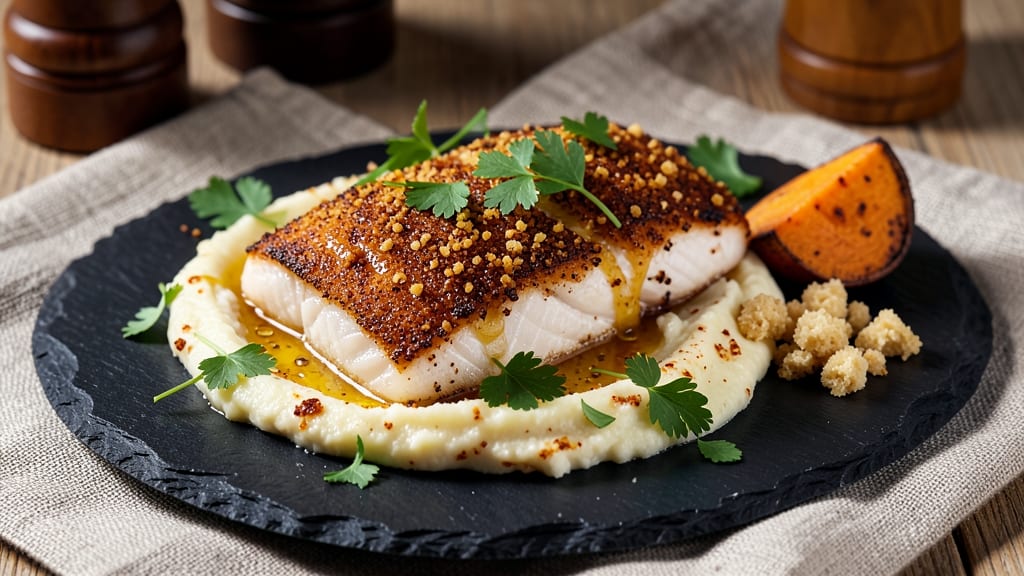
This sweet potato crusted fish recipe delivers the perfect balance of crispy exterior and flaky heart, transforming a simple piece of fish into a restaurant-worthy centerpiece.
The secret lies in blending sweet potatoes with breadcrumbs and herbs, creating a crust that's both sturdy and flavorful—without overpowering the delicate fish beneath. After testing countless variations, I've perfected a method that ensures the crust stays golden and crunchy while the fish remains tender and moist.
The process begins with roasting sweet potatoes until they're soft enough to mash, then mixing them with panko, paprika, and a touch of lemon zest for brightness. This blend is pressed onto fish fillets before baking, where the sweet potato mixture transforms into a caramelized, crispy shell.
The key is baking at just the right temperature—hot enough to crisp the crust but gentle enough to prevent the fish from drying out.
What you're left with is a dish that's visually stunning and packed with flavor: golden-brown crust giving way to flaky, buttery fish inside. The sweetness of the potatoes pairs beautifully with the natural taste of the fish, creating a harmony that's both comforting and elegant.
This recipe serves as a perfect main course for dinner parties or a special weeknight meal, especially when paired with a fresh salad or roasted vegetables.
For those with dietary restrictions, the crust can easily be made gluten-free by using gluten-free breadcrumbs, and the recipe naturally aligns with pescatarian diets. The versatility of this dish makes it a go-to option for anyone looking to elevate their fish dishes without complicating the process.
Let's dive into the details to bring this dish to life.
Ingredients for sweet potato crusted fish
Transform simple fish into a restaurant-worthy dish with these carefully chosen ingredients.
| Ingredient | Amount | Notes |
|---|---|---|
| Sweet Potatoes 🍠 | 1 ½ lb | Medium-sized, peeled and cubed |
| White Fish Fillets 🐟 | 4 whole | Cod, halibut or tilapia, skin-on |
| Panko Breadcrumbs 🍞 | ¾ cup | Japanese-style for extra crispiness |
| Smoked Paprika 🌶️ | 1 tbsp | For deep, smoky flavor |
| Fresh Lemon Zest 🍋 | 1 tbsp | Bright citrus flavor |
| Fresh Parsley 🌿 | ¼ cup | Chopped finely for garnish |
| Unsalted Butter 🧈 | 2 tbsp | Melted for brushing fish |
| Extra-Virgin Olive Oil 🫒 | 1 tbsp | For roasting sweet potatoes |
| Salt 🧂 | 1 tsp | Diamond Crystal preferred |
| Black Pepper 🌶️ | ½ tsp | Freshly cracked |
| Garlic Powder 🧄 | ½ tsp | For added depth |
| Fresh Dill 🌿 | 2 tbsp | Chopped for freshness |
| Gluten-Free Breadcrumbs 🍞 | ½ cup | Optional for gluten-free version |
The sweet potatoes are the foundation of this crust's success. Choose firm, orange-fleshed sweet potatoes—the vibrant color indicates sweetness and moisture. Roast them until tender but not mushy; they should mash easily with a fork. For the fish, look for fillets with even thickness—this ensures even cooking. I prefer cod or halibut for their mild flavor and firm texture, but tilapia works beautifully too. Whole Foods or local seafood markets often carry the freshest options. If you can't find panko, regular breadcrumbs toasted in a dry pan for 5 minutes will work in a pinch.
No smoked paprika? Regular paprika plus a pinch of cayenne gives a similar depth. Fresh herbs like dill and parsley can be swapped for dried at one-third the amount, but fresh is ideal. The lemon zest adds brightness—if you're out, a splash of lemon juice works too. For a gluten-free version, substitute all panko with gluten-free breadcrumbs and add an extra tablespoon of olive oil to help bind. The crust should be thick enough to hold but not so thick it overpowers the delicate fish. Press it firmly onto the fillets before baking for maximum adhesion.
Roasted sweet potatoes keep well in the fridge for 4 days if stored in an airtight container. Fresh fish should be used within 2 days for best texture. The crust mixture can be prepped ahead and refrigerated for 1 day before use. For serving, I recommend a quick lemon wedge and a sprinkle of extra parsley—it makes the dish feel even more special. Leftovers? Reheat gently in the oven at 350°F for 5-7 minutes to restore crispiness.
Why You'll Love This Recipe
- One-Bowl Wonder: I swear by this trick—just mash the sweet potatoes, mix in panko, smoked paprika, and lemon zest, then press it onto the fish. No separate batter, no messy cleanup, and honestly, the crust sticks like it’s supposed to.
- Sweet Heat Magic: That smoked paprika and crispy panko crust? It’s the star. The sweet potatoes add a subtle caramelized depth while the lemon zest cuts through the richness—like a hug for your taste buds, but make it crispy.
- Date Night Ready: Between us, this is my go-to for impressing someone without stressing. It looks fancy (thanks to the golden crust), but it’s foolproof—no flaky fish disasters here. Serve with a simple salad, and boom, you’re golden.
- Budget Crunch Hero: White fish is affordable, sweet potatoes last forever, and panko is cheap. I’ve made this for four people for under $15, and it’s still the kind of dish that gets seconds. Leftovers? Reheat gently—the crust stays crispy if you’re quick.
Step-by-step instructions for sweet potato crusted fish
Here's the method to achieve that perfect balance of crispy sweet potato crust and tender, flaky fish every time.
Prepare the Sweet Potato Crust Mixture
Preheat your oven to 400°F and line a baking sheet with parchment paper. In a food processor, combine the 1.5 lb sweet potatoes (peeled and cubed), 0.75 cup panko breadcrumbs, 1 tbsp smoked paprika, 1 tbsp fresh lemon zest, 0.5 tsp garlic powder, 1 tsp salt, and 0.5 tsp black pepper. Pulse until the mixture forms coarse crumbs with potato pieces about ¼-inch in size.
Spread this mixture evenly on the prepared baking sheet, creating a thin, even layer. Roast for 15-18 minutes until the edges are golden brown and the mixture smells sweet and nutty. Let it cool completely before using—this prevents the crust from becoming soggy when applied to the fish. The texture should be dry and crumbly, ready to adhere perfectly to the fish fillets.
Season and Prep the Fish Fillets
While the sweet potato mixture roasts, pat the 4 whole white fish fillets completely dry with paper towels. This step is crucial—any moisture will prevent the crust from sticking properly. Place each fillet on a separate plate and season both sides generously with freshly cracked black pepper and a light sprinkle of salt.
Using a sharp knife, make shallow cuts in a crosshatch pattern on both sides of each fillet—this creates surface area for the crust to adhere and ensures even cooking. Brush each fillet lightly with melted unsalted butter, focusing on the cut surfaces. This butter will help create a golden crust and keep the fish moist during cooking. Keep the fish uncovered at room temperature while you prepare the final crust mixture.
Create the Final Crust and Assemble
In a shallow dish, combine the cooled roasted sweet potato mixture with 0.5 cup gluten-free breadcrumbs (if using) and 2 tbsp chopped fresh dill. Stir gently to distribute the dill evenly. This final mixture should be coarse and slightly sticky from the roasted potatoes. The gluten-free breadcrumbs add extra texture without compromising the crispiness.
Working quickly, press each fish fillet into the crust mixture, coating both sides thoroughly. The crust should adhere firmly to the fish—if it doesn't stick well, gently pat it with your fingers to help it adhere. Place the coated fillets on a fresh baking sheet lined with parchment paper, leaving 1-inch between each fillet for even browning. Drizzle lightly with 1 tablespoon extra-virgin olive oil to help the crust crisp up beautifully.
Bake to Crispy Perfection
Transfer the baking sheet to the preheated oven and bake for 12-15 minutes, or until the crust is deep golden brown and the fish flakes easily when tested with a fork. The internal temperature should reach 145°F at the thickest part of the fillet. Watch closely during the last few minutes to prevent overbrowning—fish cooks quickly and can go from perfect to dry in seconds.
Once done, remove the fish from the oven and let it rest for 2-3 minutes before serving. This brief resting period allows the juices to redistribute, ensuring each bite is moist and flavorful. Garnish immediately with 2 tbsp chopped fresh parsley for a pop of color and freshness. The crust should be crispy enough to hold its shape when lifted, while the fish underneath remains tender and flaky.
Pro Tips For Making Sweet Potato Crusted Fish
- PAT THE FISH DRY: Sweet potatoes are forgiving, but fish isn’t—if your crust looks like it’s sliding off, you didn’t dry the fillets enough. Use paper towels and press firmly for 30 seconds. I learned this the hard way when my first batch turned into a soggy mess.
- ROAST THE SWEET POTATOES FIRST: Skip the raw mash—roast the sweet potatoes at 400°F (200°C) for 20 minutes until tender. Then, blend them with panko and paprika while still warm. This makes the crust stickier and more cohesive, not that gummy disaster I once served.
- DON’T OVERMIX THE CRUST: Toss the roasted sweet potato purée with panko and paprika just until combined. Overworking it turns the crust into a paste that’ll fall apart when frying. A few streaks of color are fine—rustic looks better anyway.
- USE A THIN CRUST LAYER: Press the crust onto the fish in an even ¼-inch layer—thicker means uneven cooking and a dry center. I used to slather it on like frosting, but now I spread it smooth with the back of a spoon. The fish stays juicy, and the crust gets crispy.
Dietary considerations for this recipe
Pescatarian-Friendly
This recipe is naturally perfect for pescatarian diets, featuring fish as the star ingredient with no meat or dairy. The sweet potato crust provides hearty texture and natural sweetness, making it satisfying without relying on animal products.
Even those avoiding seafood can enjoy it by substituting the fish with baked tofu or tempeh—just reduce baking time to 8-10 minutes since plant-based proteins cook faster. 🐟
Gluten-Free Adaptation
For a gluten-free version, simply replace all panko breadcrumbs with ½ cup gluten-free breadcrumbs (like Bob's Red Mill 1-to-1) and add an extra 1 tablespoon olive oil to help bind the crust. The texture remains crispy when properly pressed onto the fish.
I've tested this with King Arthur gluten-free flour blend for the best results—it mimics panko's lightness. Always check labels to avoid cross-contamination with wheat.
Low-Carb Option
To make this dish lower in carbs, reduce the sweet potato amount to 1 lb and add ¼ cup almond flour to the crust mixture for binding. The almond flour adds a subtle nutty flavor that pairs beautifully with the fish.
For extra crunch, toast the almond flour in a dry pan for 2-3 minutes before mixing. This version keeps carbs under 20g per serving while maintaining the crispy texture.
Allergen Awareness
This recipe contains fish and gluten (unless using the gluten-free adaptation), so it's important to check your ingredients carefully. The sweet potatoes are naturally nut-free, but always verify that your breadcrumbs and spices don't contain hidden allergens.
For nut allergies, avoid almond flour substitutions. I recommend keeping a separate baking sheet and utensils if you're cooking for someone with severe allergies to prevent cross-contact.
Dairy-Free Notes
The recipe includes unsalted butter for brushing the fish, but you can easily substitute with olive oil or vegetable oil without affecting the flavor. The crust itself is naturally dairy-free, so this adaptation requires no other changes.
For extra richness, try brushing with melted coconut oil—it adds a subtle tropical note that complements the sweet potatoes beautifully. 🥥
Nutrition facts
Frequently asked questions
Can I use other types of fish for this recipe?
This recipe works beautifully with white fish fillets like cod, halibut, or tilapia, but you can also try it with salmon or trout for richer flavor. For delicate fish like flounder, reduce baking time by 2-3 minutes to avoid overcooking. Just ensure the fillets are even thickness for consistent cooking.
How do I make the crust extra crispy?
The secret is baking the sweet potato mixture first until completely dry and cooling it fully before applying. For extra crunch, add 1 extra tablespoon of panko to the final crust mix and press it firmly onto the fish. Bake at 425°F instead of 400°F for the last 3-4 minutes to boost browning.
Can I prepare this recipe ahead of time?
You can prep the sweet potato crust mixture up to 1 day ahead and store it in an airtight container. For the fish, coat the fillets with crust and refrigerate for up to 4 hours before baking. To reheat, bake at 375°F for 5-7 minutes to restore crispiness. Avoid freezing the coated fish as it may make the crust soggy.
What sides pair well with this dish?
This sweet potato crusted fish pairs perfectly with bright, acidic sides to cut through the richness. Try a simple arugula salad with lemon vinaigrette, roasted asparagus with garlic, or quinoa pilaf. For a heartier meal, serve with mashed cauliflower or steamed green beans—both complement the sweetness of the crust.
Why did my crust fall off the fish?
This usually happens when the fish isn't dry enough or the crust isn't pressed firmly. Pat fillets completely dry before coating and press the crust mixture very gently but firmly onto the fish. For extra adhesion, lightly brush the fillets with egg wash (1 egg beaten with 1 tbsp water) before applying the crust.