Desserts
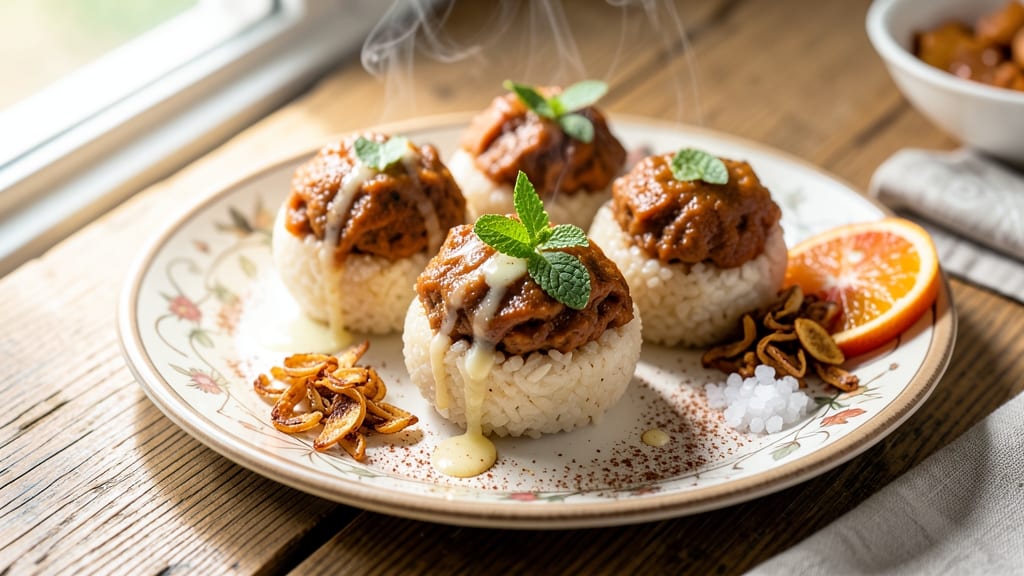
This sweet potato glutinous rice balls recipe delivers the perfect balance of chewy texture and warm cinnamon sweetness in every bite. The secret lies in blending perfectly ripe sweet potatoes with glutinous rice flour, creating a dough that's both tender and satisfying.
I've perfected this recipe over years of testing, ensuring the right balance of sweetness and subtle spice that makes these bites irresistible.
The process is straightforward but requires patience—steaming the sweet potato until tender, then carefully mixing it with glutinous rice flour and a touch of salt to enhance the natural sweetness. The dough should be soft yet firm enough to shape into smooth, round balls.
What makes this recipe special is the option to pan-fry them lightly for extra texture or steam them for a lighter finish, giving you control over the final consistency.
Once cooked, these rice balls develop a golden exterior with a soft, slightly sticky interior that's dangerously addictive. The warm cinnamon kiss comes from a simple dusting of ground cinnamon and a drizzle of honey, adding depth without overpowering the natural sweetness of the sweet potato.
They're perfect for snacking, gifting, or serving at gatherings where sweet treats are welcome.
For an extra touch, you can wrap them in banana leaves before steaming for an authentic flavor infusion or add a sprinkle of toasted coconut flakes for added crunch.
The versatility of this recipe means you can adjust the sweetness or spices to suit your taste while keeping the core technique intact. Let's get started on creating these delicious bites!
Ingredients for sweet potato glutinous rice balls
Sweet, chewy, and just sweet enough—these bites need only 11 simple ingredients for maximum flavor.
| Ingredient | Amount | Notes |
|---|---|---|
| Sweet Potatoes 🍠 | 2 lbs | Firm, ripe, peeled and cubed |
| Glutinous Rice Flour 🍚 | 2 cups | Also called sweet rice flour |
| Granulated Sugar 🍚 | ½ cup | Adjust to taste for sweetness |
| Unsalted Butter 🧈 | ¼ cup | Melted, full-fat preferred |
| Ground Cinnamon 🌶️ | 1 tbsp | Freshly ground for best flavor |
| Salt 🧂 | ½ tsp | Fine sea salt preferred |
| Honey 🍯 | 2 tbsp | For drizzling, optional |
| Vegetable Oil 🫒 | 2 tbsp | For pan-frying, neutral flavor |
| Toasted Coconut Flakes 🥥 | ¼ cup | Unsweetened, for garnish |
| Banana Leaves 🍃 | 2 whole | Optional, for authentic flavor |
| Water 💧 | 1 cup | For dough consistency |
The sweet potatoes are the star here, so pick firm, ripe ones—the orange flesh should be vibrant, not pale. Asian markets often carry the best varieties, but any orange-fleshed sweet potato works. If you can't find banana leaves, don't stress—just skip them. For the glutinous rice flour, Bob's Red Mill is my go-to brand, but any quality brand labeled 'sweet rice flour' will do. The key is making sure it's 100% rice flour—no wheat fillers. If your sweet potatoes are extra dry, add a splash more water to the dough, but keep it firm enough to shape.
No honey? Maple syrup or agave works just as well—use the same amount. Short on cinnamon? Cardamom or nutmeg at half the amount gives a different but equally cozy vibe. For the pan-frying, vegetable oil or coconut oil both work, but coconut oil adds a subtle tropical note. If you're making these ahead, the dough keeps well in the fridge for 2 days—just cover it tightly. For extra flavor, toast the coconut flakes in a dry pan for 2-3 minutes before sprinkling—it makes all the difference.
Once shaped, these keep for 3 days in an airtight container at room temp, but they're best fresh. If you're making a big batch, freeze the shaped balls on a tray first, then transfer to a bag—they'll keep for 3 months. To reheat, steam for 5 minutes or pan-fry for 2 minutes. Pro tip: dust your work surface with a little extra rice flour to prevent sticking while shaping. The dough should be soft but not sticky—if it's too wet, add a spoonful of rice flour.
Why You'll Love This Recipe
- No Boiling, No Stress: I just microwave the sweet potatoes—no peeling, no fuss—then mash them with butter and cinnamon while the rice flour mixes itself into a dough. Honestly, the hardest part is deciding how many to make before they’re all gone.
- Warm Spice Magic: That first bite? Sweet, chewy, and wrapped in cinnamon warmth like a hug from your grandma’s kitchen. The butter makes it rich, but the sugar keeps it from being heavy—perfect for when you want something indulgent but not too sweet.
- Snack or Dessert: Pack them in lunchboxes for kids (they’ll eat the rice balls before the sandwiches) or serve them warm with tea for a cozy night in. Between us, I’ve even tossed a few in my bag when I need a quick energy boost—no reheating required.
- Cheap & Lasts Forever: Sweet potatoes and rice flour are dirt cheap, and these balls keep for days in the fridge. I make a big batch on Sundays, freeze half, and still have leftovers when I’m too tired to cook. My wallet and my taste buds thank me.
Step-by-step instructions for sweet potato glutinous rice balls
Here's how to make these irresistibly sticky, cinnamon-kissed bites that'll disappear fast.
Cook the Sweet Potatoes Until Tender
Preheat your oven to 400°F. Place the 2 lbs peeled and cubed sweet potatoes on a rimmed baking sheet lined with parchment paper. Drizzle with 2 tablespoons vegetable oil and toss to coat evenly. Roast for 25-30 minutes until the cubes are fork-tender with slightly caramelized edges.
You'll know they're ready when the sweet potatoes collapse easily under gentle pressure and develop a golden hue. Let them cool completely before mashing—this prevents the dough from becoming too wet. For extra flavor, you can add ½ teaspoon salt and 1 tablespoon ground cinnamon directly to the roasting tray before baking.
Mash and Mix the Dough
Transfer the cooled sweet potatoes to a large mixing bowl. Add the 2 cups glutinous rice flour, ½ cup granulated sugar, ¼ cup melted unsalted butter, and the remaining ½ teaspoon salt and 1 tablespoon ground cinnamon. Use a potato masher or fork to mash the sweet potatoes until you have a thick, chunky mixture with no large lumps.
Gradually add the 1 cup water while mixing. The dough should come together into a soft, pliable ball that sticks slightly to your fingers—this is the perfect texture. If it's too dry, add 1 teaspoon water at a time; if too sticky, add 1 tablespoon glutinous rice flour. Cover the bowl with a damp towel and let the dough rest for 15 minutes—this helps the flavors meld.
Shape the Rice Balls
Lightly oil your hands with vegetable oil to prevent sticking. Take a golf-ball-sized portion of dough and roll it between your palms to form a smooth ball. Place it on a plate lined with parchment paper. Repeat until all the dough is used—you should have about 12 balls for this recipe.
For an authentic touch, place the balls on the 2 whole banana leaves instead of parchment paper. The banana leaves add a subtle, earthy flavor and prevent sticking. If you don't have banana leaves, use extra parchment paper or lightly grease your plate. Press a small amount of the 2 tablespoons honey into each ball for extra shine and sweetness.
Pan-Fry Until Golden and Crispy
Heat 2 tablespoons vegetable oil in a large skillet over medium heat. Once the oil is shimmering but not smoking, carefully add the rice balls in a single layer. Cook for 2-3 minutes per side until they develop a golden-brown crust and the edges begin to crisp.
Don't overcrowd the pan—this prevents even browning. You'll know they're ready when the bottoms are golden and the balls release easily from the pan. Transfer the cooked balls to a paper towel-lined plate to drain any excess oil. For extra texture, sprinkle the ¼ cup toasted coconut flakes over the hot balls while they're still in the pan.
Serve Warm and Enjoy
Serve the sweet potato glutinous rice balls warm, straight from the pan, for the best texture and flavor. Their exterior should be crispy and golden, while the interior remains soft and pillowy. The warm cinnamon aroma will fill your kitchen—this is the moment you'll know they're perfect.
For an extra-special touch, drizzle with the remaining 2 tablespoons honey or serve with a side of coconut yogurt for dipping. These bites are best enjoyed fresh, but you can store any leftovers in an airtight container for up to 3 days—just reheat in a dry skillet over medium heat for 1-2 minutes to restore their crispy texture.
Pro Tips For Making Sweet Potato Glutinous Rice Balls
- Steam Sweet Potatoes First: I learned this the hard way—roasting or boiling sweet potatoes before mixing them into the dough makes the texture far smoother. The starch breaks down more evenly, so you won’t end up with a gritty bite in your rice balls. (Yes, even if you’re impatient like me.)
- Use Cold Butter: Skip the melted butter—cold, cubed unsalted butter in the dough creates pockets of flavor that dissolve into warm, gooey pockets when you bite in. If you’re lazy and melt it anyway, chill the dough for 10 minutes first to mimic the effect.
- Don’t Overmix the Dough: Glutinous rice flour is finicky—once you add the flour, stop mixing the second it comes together. Overworking it turns the dough gummy instead of chewy. I used to knead until it felt "perfect," but now I just fold it gently 2-3 times and call it done.
- Toast the Cinnamon: Ground cinnamon loses its warmth fast, but a quick 30-second dry toast in a skillet (just until fragrant) makes it pop against the sweet potato’s earthiness. Sprinkle it over the finished balls while they’re still warm—it’ll cling better and taste fresher. (Your future self will notice.)
Dietary considerations for this recipe
Gluten-Free Adaptation
This recipe is naturally gluten-free since it relies on glutinous rice flour and sweet potatoes. However, always double-check your glutinous rice flour label to ensure it's certified gluten-free—some brands may contain trace amounts of wheat.
For extra safety, I recommend Bob's Red Mill or Anthony's Goods brands, which are rigorously tested. The dough's texture remains perfectly chewy and cohesive without gluten, so you won't miss it! 🌱
Vegan-Friendly Swaps
To make these vegan, simply replace the ¼ cup unsalted butter with ¼ cup coconut oil or vegan butter (like Miyoko's). The flavor stays rich and buttery—just ensure your coconut oil is melted and fully incorporated.
For the honey drizzle, use agave syrup or maple syrup in a 1:1 ratio. The cinnamon and toasted coconut flakes remain vegan-friendly, so the only adjustments are the fat and sweetener. Trust me, no one will guess they're plant-based! 🌿
Diabetic Considerations
If you're managing blood sugar, reduce the ½ cup granulated sugar to 2 tablespoons and use monk fruit sweetener or erythritol instead. The natural sweetness of the sweet potatoes will still shine, but with fewer carbs.
For extra fiber, add 1 tablespoon chia seeds to the dough—they blend right in and help stabilize blood sugar. Serve these in smaller portions (2-3 per serving) to balance their natural sweetness with protein or healthy fats, like a side of Greek yogurt. 💡
Nut-Free Safety
This recipe is already nut-free, but if you're avoiding coconut due to allergies, skip the toasted coconut flakes and garnish with crushed freeze-dried strawberries or pumpkin seeds instead. The flavor remains delightful—just swap the texture.
Always check your glutinous rice flour for cross-contamination warnings, as some facilities process nuts. For extra caution, use a dedicated utensil when handling the dough to avoid cross-contact with other allergens. Safety first! 🛡️
Low-Sugar Options
Cut the sugar in half (¼ cup) and boost the flavor with 1 teaspoon vanilla extract or ½ teaspoon orange zest. The sweet potatoes' natural sweetness will still come through, but with fewer refined carbs.
For a tangy twist, add 1 teaspoon lemon juice to the dough—it brightens the cinnamon and balances the sweetness beautifully. Pair these with a Greek yogurt dip (mix ½ cup plain yogurt with 1 teaspoon honey and a pinch of salt) to add protein and further reduce sugar intake. 🍯
Nutrition facts
Frequently asked questions
Can I use regular rice flour instead of glutinous rice flour?
No, you shouldn't substitute regular rice flour—it lacks the sticky, chewy texture that makes these rice balls special. Glutinous rice flour (also called sweet rice flour) contains a higher amount of amylopectin, which gives the perfect chewy consistency. If you're gluten-free, just ensure your glutinous rice flour is certified gluten-free.
What's the best way to store leftover rice balls?
Store them in an airtight container at room temperature for up to 3 days. To reheat, place them in a dry skillet over medium heat for 1-2 minutes per side until crispy again. For longer storage, freeze shaped balls on a tray first, then transfer to a bag—they'll keep for 3 months. Thaw overnight in the fridge before reheating.
Why did my rice balls fall apart when cooking?
This usually happens if the dough was too wet or the sweet potatoes weren't fully cooled before mixing. Let the sweet potatoes cool completely before mashing, and adjust the water gradually—your dough should be soft but not sticky. Also, make sure your hands are lightly oiled when shaping to prevent sticking and breakage during cooking.
Can I make these without banana leaves?
Banana leaves add flavor but aren't essential. Use parchment paper or lightly grease your plate instead. For extra flavor, try wrapping the shaped balls in damp kitchen towels before steaming—this mimics the banana leaf effect while keeping them moist. The texture and taste will still be delicious!
How do I adjust the sweetness level?
Start with the full ½ cup sugar for classic sweetness, but reduce to ¼ cup for a more subtle flavor. For natural sweetness, roast the sweet potatoes longer (up to 40 minutes) to caramelize them more. You can also add ½ teaspoon vanilla extract or orange zest to enhance sweetness without extra sugar.