Side Dishes
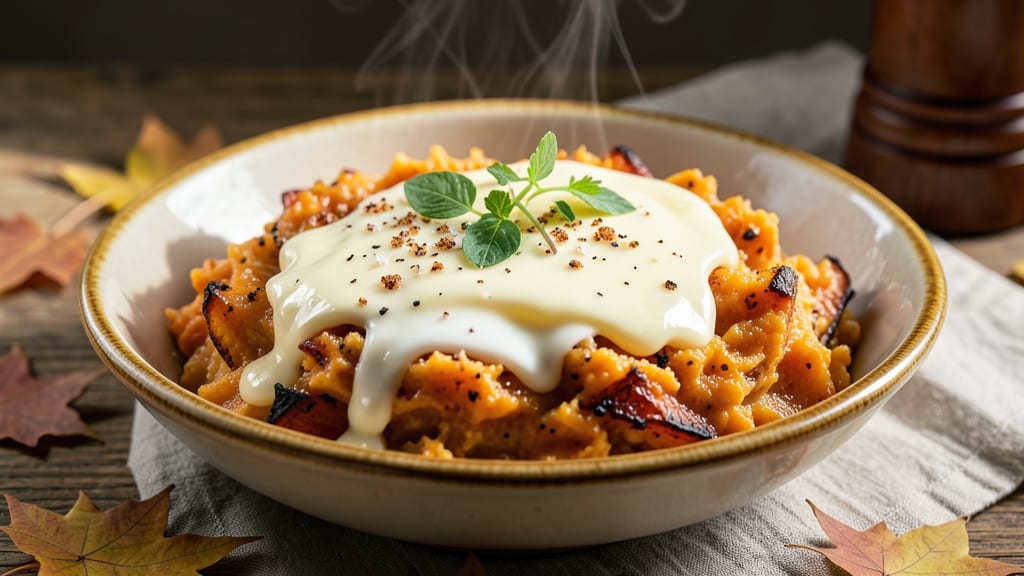
This sweet potato mash recipe with brown sugar transforms humble sweet potatoes into a velvety, caramelized side dish that rivals holiday favorites. The secret lies in slow-cooked sweet potatoes, rich brown sugar, and just enough cream to create a texture that's both smooth and satisfying.
I've perfected this recipe over years of holiday gatherings, where it consistently disappears first—even from guests who claim to dislike sweet potatoes.
The process is straightforward but requires patience: peeling, boiling until fork-tender, then mashing with butter, brown sugar, and warm milk until every bite is creamy with subtle caramel undertones.
Unlike instant mashed potatoes, this version develops deep, complex flavors from the natural sweetness of the potatoes and the molasses notes of brown sugar. For a modern twist, you can easily adapt it to be vegan by substituting dairy with coconut milk.
What you'll end up with is a side dish that's rich enough to stand alone but versatile enough to complement roasted meats, turkey, or even breakfast hash. The caramelized sweetness from the brown sugar pairs beautifully with savory dishes, while the velvety texture makes it irresistibly comforting.
This isn't just another sweet potato side—it's a showstopper that elevates any meal.
The best part? It reheats beautifully, making it perfect for meal prep or holiday leftovers. Whether you're serving it at Thanksgiving, Christmas, or a weeknight dinner, this recipe delivers restaurant-quality results with minimal effort. Ready to create this crowd-pleasing classic?
Ingredients for sweet potato mash recipe brown sugar
Eight ingredients transform ordinary sweet potatoes into a luxurious holiday-worthy side.
| Ingredient | Amount | Notes |
|---|---|---|
| Sweet Potatoes 🍠 | 2 lb | Medium-sized, peeled and cubed |
| Unsalted Butter 🧈 | ½ cup | Cold, cut into pats |
| Light Brown Sugar 🍯 | ½ cup | Packed, for caramelized sweetness |
| Warm Whole Milk 🥛 | ½ cup | Heated to ~110°F for creaminess |
| Heavy Cream 🥛 | ¼ cup | Full-fat for velvety texture |
| Salt 🧂 | 1 tsp | Diamond Crystal preferred |
| Ground Black Pepper 🌶️ | ¼ tsp | Freshly cracked for depth |
| Ground Cinnamon 🍃 | ¼ tsp | Optional, for warmth |
| Fresh Nutmeg 🌿 | ⅛ tsp | Finely grated, optional |
Sweet potatoes are the foundation—look for vibrant orange flesh with no soft spots. Organic varieties from Whole Foods or local farmers markets have the best flavor, but conventional works too. Peeled and cubed evenly (about 1.5-inch pieces), they cook faster and more uniformly. Costco's organic sweet potatoes are my go-to for holiday cooking—they're consistent and sweet. If you can't find organic, just make sure they're firm to the touch. The key is patience: undercooked cubes turn mushy, overcooked ones lose their natural sweetness.
Brown sugar makes all the difference here—light brown for molasses depth, dark for richer caramel notes. Pack it tightly into the measuring cup for accurate amounts. No brown sugar? Substitute white sugar plus 1 tsp molasses. The warm milk and heavy cream combo is non-negotiable for that ultra-smooth texture, but coconut milk works perfectly for vegan adaptation. For the spices, Penzeys cinnamon has the best flavor profile, but regular grocery store brands are fine. Fresh nutmeg is ideal, but pre-grated works in a pinch—just taste before adding. Salt is crucial: Diamond Crystal measures differently than table salt, so use exactly as listed.
Cooked sweet potatoes keep 3-4 days in the fridge, but they're best used immediately for peak texture. For meal prep, store the mashed version in airtight containers with a thin layer of butter on top to prevent drying. Reheats beautifully—just warm with a splash of milk to restore creaminess. Freezes for 3 months if portioned into single servings, though texture may slightly break down. The brown sugar caramelizes further when reheated, so keep an eye on it if warming for longer than 2 minutes.
Why You'll Love This Recipe
- No Peel Required: I swear by this shortcut—just scrub and cube the sweet potatoes, no peeling fuss. The skin stays intact while roasting, adding a subtle earthy depth that’s actually better than peeling.
- Caramelized Magic: That brown sugar isn’t just sweet—it melts into the warm milk and butter, creating a sticky, buttery glaze that coats every bite. Honestly, the first time I tasted it, I nearly licked the bowl clean.
- Breakfast or Dinner: Serve it as a side for roasted chicken, spoon it over pancakes for brunch, or pile it high for a cozy Sunday supper. Between us, it’s my go-to when I’m too tired to plan but still want something ridiculously good.
- Budget Luxury: Sweet potatoes are cheap, and this recipe stretches further than you’d think—especially with the cream and milk. I’ve fed a crowd with leftovers, and no one’s ever complained about the cost (or the seconds).
Step-by-step instructions for sweet potato mash with brown sugar
Here's how to transform simple sweet potatoes into luxurious, caramelized mash with buttery richness.
Roast the Sweet Potatoes Until Tender
Preheat your oven to 400°F and line a baking sheet with parchment paper. Arrange the 2 lb sweet potatoes (peeled and cubed into 1-inch pieces) in a single layer, leaving space between them. This ensures even cooking and crispy edges. Drizzle lightly with 1 tablespoon olive oil and toss to coat—just enough to help them brown without making them soggy.
Roast for 25-30 minutes until the edges are golden brown and a knife slides in easily. You want them fork-tender but not falling apart—this creates the perfect base for that velvety texture. I like to check at the 25-minute mark because ovens vary. If they're not quite there, return them for another 5 minutes.
Mash with Butter and Brown Sugar
Transfer the roasted sweet potatoes to a large mixing bowl. Add the ½ cup cold unsalted butter (cut into pats) and the ½ cup packed light brown sugar. Use a potato masher or wooden spoon to break up the potatoes while incorporating the butter and sugar. The butter should melt from the residual heat, creating a luxurious, creamy base.
Here's the thing—don't rush this step. Work in batches if needed to ensure everything gets fully combined. You're looking for a texture that's smooth but still has some rustic pockets of creaminess. The brown sugar will begin caramelizing slightly from the heat, adding that signature depth of flavor we're after.
Incorporate Warm Milk and Cream
Gradually add the ½ cup warm whole milk (heated to about 110°F) and the ¼ cup heavy cream, stirring constantly. The warmth of the milk helps emulsify the mixture, creating that signature velvety texture. If the mash seems too thick, add 1-2 tablespoons more warm milk until it reaches your desired consistency—it should be smooth enough to pipe but still hold its shape.
Season immediately with the 1 teaspoon salt, ¼ teaspoon ground black pepper, ¼ teaspoon ground cinnamon, and ⅛ teaspoon fresh nutmeg. The cinnamon and nutmeg add warmth that complements the caramelized sweetness, while the pepper provides a subtle depth. Taste as you go—you might want to adjust the sweetness or saltiness slightly based on your preference.
Finish with Perfect Caramelization
Return the mash to the pot or bowl and place it over low heat (or use a double boiler if you're worried about scorching). Stir gently for 3-5 minutes until the mixture thickens slightly and the brown sugar begins to caramelize, creating that beautiful glossy sheen. You're aiming for a texture that's luxurious but still light—almost like a cross between mashed potatoes and a silky custard.
Real talk: This is the moment that matters. The caramelization happens quickly, so keep your eye on the pot. When it reaches that perfect stage—where it's thickened but still smooth and the sugar has developed a subtle caramel aroma—remove it from heat immediately. Serve warm, garnished with an extra sprinkle of cinnamon or a drizzle of melted butter if desired.
Pro Tips For Making Sweet Potato Mash Recipe Brown Sugar
- Boil Until Fork-Tender: Sweet potatoes should collapse like overcooked pasta—not just soft on the outside but fall-apart in the center. I learned this the hard way after serving a batch that was still slightly resistant; now I test with a fork every 10 minutes after the 20-minute mark. No one wants to chew their mash.
- Toast the Brown Sugar: Light brown sugar loses its depth if it’s just stirred in cold. Heat it in a dry pan over medium-low for 2–3 minutes until it smells caramel-like—this deepens the flavor without burning. (Yes, even if you’re impatient like me, wait for the aroma to change.)
- Salt the Milk First: Warm whole milk tastes bland when poured over mash. Dissolve a pinch of salt (about ¼ teaspoon) into it while heating—it balances the sweetness and rounds out the richness. Trust me, your taste buds will notice the difference.
- Mash in Stages: Dumping all the heavy cream and butter at once makes the mash greasy. Start with half the butter and milk, mash until smooth, then fold in the rest. This keeps the texture creamy but not gluey—like a cross between a casserole and a pudding. (Your future self will thank you.)
Wine and beer pairings for these flavors
Sweet and Spiced Wine Pairings
This caramelized sweet potato mash pairs beautifully with medium-bodied red wines that complement its brown sugar depth. Try a Zinfandel from California—its jammy berry notes and subtle spice mirror the cinnamon and nutmeg in the mash.
I love Bogle Vineyards Old Vine Zinfandel for its approachable sweetness and smooth finish. 🍷
A Riesling from Germany or Washington State works surprisingly well too, especially if you prefer white wine. Look for an off-dry variety like Dr. Loosen Blue Slate—its honeyed apple and citrus notes cut through the richness while enhancing the caramelized sweetness. The slight acidity balances the dish perfectly.
Creamy Beer Complements
For beer lovers, a Belgian-style witbier like Hoegaarden brings refreshing contrast with its coriander and citrus notes. The effervescence cleanses your palate between bites of the velvety mash. I also recommend a Belgian Dubbel such as Westmalle Dubbel—its caramel and raisin flavors harmonize beautifully with the brown sugar. 🍺
If you prefer American craft beers, try a honey brown ale like New Belgium Honey Brown. The malty sweetness echoes the mash's caramelized notes while the hoppy finish provides balance. For a lighter option, a wheat beer with a touch of spice works wonderfully.
Coffee and Spiced Liqueur Finishes
After dinner, serve with a dark roast coffee like Peet's Major Dickason's Blend—the chocolatey notes complement the sweet potato's natural sweetness. For a boozy finish, try spiced rum like Bacardi Limón mixed with warm apple cider. The cinnamon in the rum enhances the mash's spices. 💛
For a non-alcoholic option, chai tea with warm milk creates a cozy pairing. The cardamom and cloves in the chai echo the nutmeg and cinnamon in the mash, creating a comforting flavor bridge between dessert and main course.
Nutrition facts
Frequently asked questions
Can I substitute white sugar for brown sugar in this recipe?
You can use white sugar, but the flavor will be noticeably different. For every ½ cup brown sugar called for, substitute ½ cup white sugar plus 1 teaspoon molasses to mimic the depth of flavor. The caramelized notes from brown sugar are key to this dish's signature richness.
How do I make this recipe vegan?
Replace the butter with ½ cup vegan butter or coconut oil, use ½ cup warm coconut milk instead of dairy milk, and swap heavy cream for ¼ cup full-fat coconut cream. The texture will still be creamy, though slightly lighter. The brown sugar and spices remain the same for that signature flavor.
Why does my sweet potato mash turn out watery?
Watery mash usually happens when sweet potatoes aren't fully cooked or too much liquid is added. Always roast or boil until fork-tender, then mash before adding liquids. Start with the ½ cup warm milk and ¼ cup cream—if needed, add just 1 tablespoon at a time until desired consistency is reached.
What's the best way to reheat leftover sweet potato mash?
Reheat gently in a saucepan over low heat with a splash of warm milk or water to restore creaminess. Stir constantly to prevent scorching. For microwave reheating, cover with a damp paper towel and heat in 30-second intervals, stirring between each. Avoid high heat—it can make the mash dry or grainy.
Can I make this ahead of time for holiday gatherings?
Store cooked mash in airtight containers in the fridge for up to 3 days. For best results, reheat with a pat of butter and a splash of warm milk. It also freezes beautifully for up to 3 months—just thaw overnight in the fridge before reheating. The flavors actually deepen when reheated slightly!