
Side Dishes
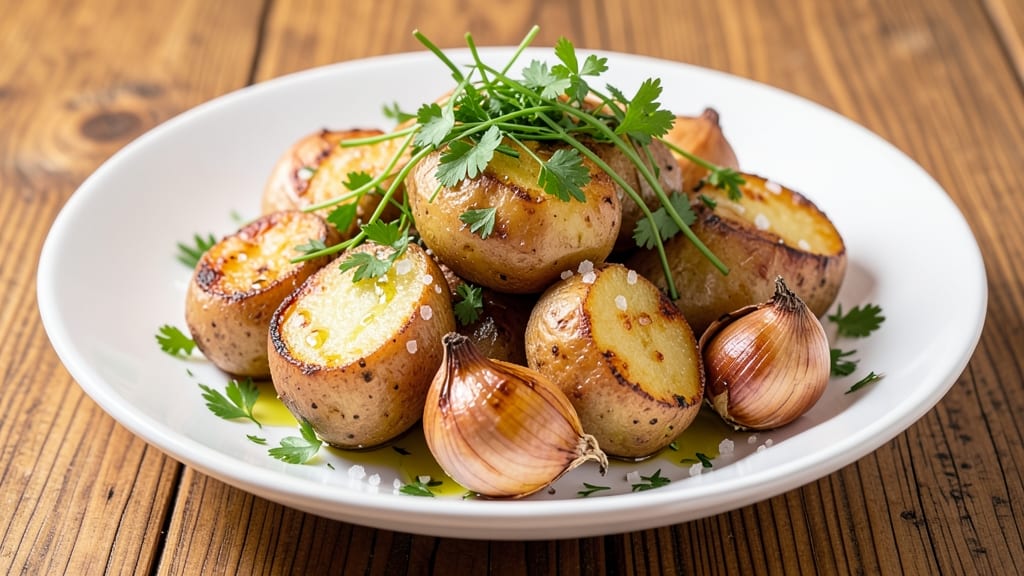
This Augarten potato recipe delivers the perfect balance of crispy edges and creamy centers—a traditional Austrian dish that transforms simple potatoes into a flavorful centerpiece. The secret lies in a precise roasting technique that creates a golden-brown crust while keeping the inside tender and fluffy.
I first discovered this method during a visit to Vienna, where Augarten potatoes are a staple in rustic Austrian taverns.
The dish relies on just a few key ingredients: firm potatoes, olive oil, fresh herbs like parsley and chives, and a touch of garlic for depth. The potatoes are cut into even chunks and roasted until the edges caramelize, while the interior remains soft and buttery.
This method ensures every bite delivers that satisfying contrast between crispy and creamy textures.
What makes this recipe truly special is its versatility—it pairs beautifully with grilled meats, fish, or even as a standalone dish. The aromatic herbs and subtle garlic infuse the potatoes with a bright, herby flavor that elevates any meal.
Once you try this traditional Austrian technique, you’ll never settle for plain boiled potatoes again.
Ready in just 45 minutes, this recipe is perfect for weeknight dinners or holiday feasts. The process is straightforward, but the results are restaurant-quality. Let’s get started on creating this classic Austrian side dish that’s sure to impress.
Ingredients for augarten potato
Nine ingredients, Austrian tradition—simple yet transformative for your potatoes.
| Ingredient | Amount | Notes |
|---|---|---|
| Russet Potatoes 🥔 | 2 ½ lb | Firm, unpeeled, cut into 1.5-inch chunks |
| Extra-Virgin Olive Oil 🫒 | ½ cup | High-quality, fruity variety |
| Fresh Parsley 🌿 | ¼ cup | Chopped, stems removed |
| Fresh Chives 🌱 | 0.15 cup | Finely chopped |
| Garlic Cloves 🧄 | 4 cloves | Minced for even distribution |
| Kosher Salt 🧂 | 1 ½ tsp | Diamond Crystal preferred |
| Ground Black Pepper 🌶️ | ½ tsp | Freshly ground |
| Fresh Thyme 🌿 | 0.1 cup | Leaves only, chopped |
| Unsalted Butter 🧈 | 2 tbsp | Cold, cubed for topping |
Russet potatoes are non-negotiable here—their high starch content creates that perfect crispy crust. Buy organic if possible to avoid wax coatings that interfere with browning. I always grab mine from Whole Foods or the local market, looking for potatoes that feel heavy for their size. The olive oil should be extra-virgin—California or Italian varieties work best for that fruity depth. Fresh herbs matter too; parsley and chives should be bright green with no wilting. For thyme, grab a small bunch and just use the leaves—stems are tough and bitter.
No fresh parsley? Dried parsley at one-third the amount works in a pinch, but it lacks that bright freshness. Short on chives? Green onion tops substitute beautifully. The garlic can be pre-minced from a jar if you're in a hurry, but fresh is always better. For the butter, European-style unsalted (like Plugrá) melts more smoothly than American brands. If you're avoiding dairy, swap the butter for olive oil or vegan butter—just add it at the end to prevent burning. The salt is crucial; Diamond Crystal dissolves more easily than table salt, so stick with it if you can.
Store cut potatoes in cold water in the fridge for up to 24 hours before roasting to prevent browning. The herbs keep best in damp paper towels wrapped in plastic for 5-7 days. This dish reheats beautifully—just pop it in a 350°F oven for 10 minutes to restore crispiness. Leftovers? Portion into containers and freeze for up to 3 months. Trust me, they taste even better the next day as the flavors meld.
Why You'll Love This Recipe
- One-Pan Magic: I swear by this recipe when I don’t want to dirty three dishes. Just slice those Russets, toss them with olive oil and garlic, and let the oven do the work—no flipping, no fuss, just golden perfection.
- Garlic-Herb Bomb: That fresh parsley and chives combo with roasted garlic? It’s the kind of flavor that makes you pause mid-bite. The herbs brighten up the richness of the olive oil, and the crispy edges? Absolute bliss.
- Weeknight Workhorse: Between us, this is my go-to when I’m feeding the family on a Tuesday night. It’s hearty enough for dinner but light enough for lunch—just add grilled chicken or a fried egg, and suddenly you’ve got a full meal.
- Budget-Friendly Staple: Russets are cheap, and this recipe stretches them far. Honestly, I’ve made it last four days in the fridge without a single complaint—reheated, it’s just as good, if not better, the second time around.
Step-by-step instructions for Austrian-style crispy potatoes
Master this classic Austrian technique for perfectly crispy edges and tender interiors every time.
👨🍳 Step 1: Prepare and Season the Potatoes
Rinse the 2.5 lb russet potatoes thoroughly under cold water to remove any dirt, then pat them completely dry with clean kitchen towels. This step is crucial—any moisture left on the potatoes will prevent them from developing that signature crispy crust. Using a sharp chef's knife, cut the potatoes into 1.5-inch chunks, keeping the skins on for texture and flavor.
In a large bowl, toss the potato chunks with 1.5 tsp kosher salt, 0.5 tsp ground black pepper, and 0.1 cup chopped fresh thyme leaves. The salt will penetrate the potatoes during the cooking process, enhancing their flavor from the inside out. Let the seasoned potatoes sit at room temperature for 15 minutes while you prepare the oven—this helps them cook more evenly and develop a better crust.
🔥 Step 2: Roast the Potatoes for Maximum Crispiness
Preheat your oven to 425°F. Line two large baking sheets with parchment paper for easy cleanup. Arrange the seasoned potatoes in a single layer on the prepared sheets, leaving about 1 inch of space between each piece. This spacing ensures even browning and crisping on all sides.
Drizzle the potatoes evenly with the 0.5 cup extra-virgin olive oil, using about 1 tablespoon per baking sheet. Toss the potatoes gently with your hands to coat them thoroughly in the oil. Spread them out again in a single layer, ensuring no pieces are overlapping. Roast for 25 minutes, then flip each potato chunk with a spatula and roast for another 20 minutes, until the edges are golden brown and crispy while the centers remain tender.
🍳 Step 3: Add Fresh Herbs and Garlic for Depth
After the potatoes have roasted for 25 minutes, remove them from the oven and transfer them to a large bowl. Add the 0.25 cup chopped fresh parsley and 0.15 cup finely chopped fresh chives, along with the 4 minced garlic cloves. Toss everything together gently but thoroughly to distribute the herbs and garlic evenly throughout the potatoes.
Return the potatoes to the baking sheets and continue roasting for the final 20 minutes. The fresh herbs and garlic will infuse the potatoes with bright, aromatic flavors while the potatoes finish crisping. Watch closely during the last 5 minutes of roasting—you want the edges to be deeply golden brown and almost caramelized, while the centers should still yield slightly when pierced with a fork.
🥘 Step 4: Finish with Butter for Richness
Remove the potatoes from the oven and transfer them to a serving platter. Immediately sprinkle the 2 tbsp cold, cubed unsalted butter over the top. The butter will melt slightly from the residual heat, creating a glossy finish and adding a rich, velvety texture to the crispy exterior.
Let the potatoes rest for 2-3 minutes before serving. This brief resting period allows the flavors to meld together and the butter to distribute evenly. The result should be potatoes with perfectly crispy, caramelized edges that give way to tender, fluffy interiors. Serve immediately while hot, as these potatoes are best enjoyed right out of the oven.
Pro Tips For Making Augarten Potato
- PRE-SOAK THE POTATOES: Toss peeled Russets in cold water for 10 minutes before slicing—this stops them from oxidizing and turning brown. I learned this the hard way after slicing a batch that looked like it had been sitting in the fridge for a week.
- MINCE GARLIC FINE: For Augarten-style potatoes, you want tiny garlic pieces—not chunks—that dissolve into the oil. Use the flat side of your knife to press cloves into a paste first, then mince. (Yes, it’s tedious, but it makes a real difference.)
- SALT THE POTATOES FIRST: Toss sliced potatoes with salt and olive oil before cooking—this draws out moisture so they crisp up properly. Skip this, and you’ll end up with soggy slices instead of golden, crispy ones.
- REST THE HERBS: Chop parsley and chives just before serving and let them sit at room temp for 5 minutes. Cold herbs dull flavor, and fresh ones taste brighter when they’ve warmed up a little. (Your future self will notice.)
Perfect pairings for augarten potato
Classic Austrian Meats
Augarten potatoes pair perfectly with Austria’s hearty meat dishes. Try them with Wiener Schnitzel—the crispy breaded cutlet’s delicate flavor contrasts beautifully with the potatoes’ earthy richness. I love serving them alongside Tafelspitz, Austria’s famous boiled beef, where the tender meat and potatoes create a comforting meal.
For a lighter option, grilled pork chops with a mustard glaze complement the herby potatoes wonderfully. 🥩
Fresh Spring Vegetables
Brighten your plate with spring vegetables like asparagus or green beans. Lightly sauté them in butter with lemon zest to match the potatoes’ herby profile. I often serve them with roasted baby carrots glazed in honey and thyme—a sweet contrast to the savory potatoes.
For a complete meal, add a spring salad with radishes, pea shoots, and a light vinaigrette.
Creamy Austrian Cheeses
Add a touch of Austria’s dairy tradition with Bergkäse or Käsekrainer (cheese-filled sausages). The salty, nutty cheese pairs exceptionally well with the crispy potatoes. For a vegetarian option, serve with Quark (a thick, tangy fresh cheese) drizzled with honey and sprinkled with poppy seeds.
The creamy texture balances the potatoes’ crispy edges perfectly. 🧀
Crusty Austrian Bread
No Austrian meal is complete without Vinschgerl—a rustic sourdough bread with a crispy crust. Use it to mop up any leftover butter or herb-infused oil from the potatoes.
For a heartier option, try Kaiserschmarrn (shredded pancakes) on the side, especially for brunch. The bread’s chewy texture contrasts delightfully with the potatoes’ crispy exterior. 🍞
Light Austrian Wines
Pair your Augarten potatoes with Austria’s crisp whites like Grüner Veltliner—its peppery notes complement the herbs beautifully. For red wine lovers, a Blaufränkisch offers enough body to stand up to the dish.
I also enjoy a Sekt (Austrian sparkling wine) for a festive touch. Avoid heavy, oaky wines—they can overpower the delicate flavors. 🍷
Nutrition facts
Frequently asked questions
Why do Augarten potatoes need to rest after roasting?
Resting for 2-3 minutes lets the internal heat distribute evenly, preventing the crispy edges from turning soggy. This also allows the butter to melt smoothly and the flavors to meld together. Skipping this step can make the potatoes feel uneven in texture.
Can I use sweet potatoes instead of russets?
While you can use sweet potatoes, they won't achieve the same crispy texture as russets. Sweet potatoes are naturally moister and less starchy, which affects browning. If you must substitute, reduce the roasting time by 5-7 minutes and watch closely to prevent burning.
What's the secret to getting perfectly crispy edges?
The key is even-sized chunks (1.5 inches) and single-layer roasting with space between pieces. Use high-quality olive oil and flip potatoes only once at the 25-minute mark. The oven should be fully preheated to 425°F for maximum crispiness.
How do I reheat leftover Augarten potatoes?
For best results, reheat in a 350°F oven for 10-12 minutes on a baking sheet. Avoid microwaving—they'll lose their crispy texture. If you must use the microwave, cover with a damp paper towel and heat for 1 minute, then finish under the broiler for 2 minutes to restore crunch.
Can I make this recipe ahead of time?
Yes! Prepare the potatoes up to the roasting step, then store them in the fridge for up to 24 hours. Roast as directed when ready to serve. For longer storage, freeze the cooked potatoes (without butter) for up to 3 months. Reheat using the oven method above.