Side Dishes
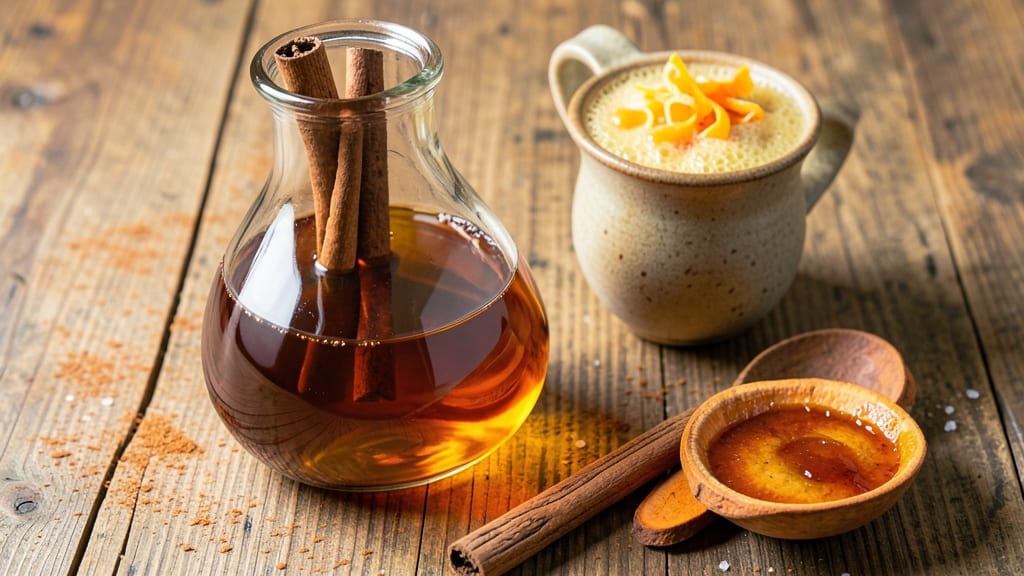
This sweet potato wine recipe transforms humble root vegetables into a bold, fermented elixir with deep caramel notes and warming spice. The process begins with carefully selected sweet potatoes—peeled, boiled, and mashed—then infused with yeast, sugar, and aromatic spices before fermentation transforms them into a complex, golden liquid.
Unlike commercial wines, this homemade version lets you control every step, from sweetness to spice intensity, for a drink that’s as unique as your pantry.
The key to success lies in precise ingredient ratios: 6 pounds of sweet potatoes to 8 pounds of sugar, fermented with Lalvin EC-1118 yeast for clean, reliable conversion. Sterilization is critical—every tool and container must be sanitized to prevent contamination, ensuring a smooth fermentation and safe final product.
Patience is also essential; aging for 6–12 months allows flavors to mellow and develop, resulting in a wine that’s rich, velvety, and subtly sweet with hints of cinnamon and vanilla.
Once fermented, your sweet potato wine can be enjoyed chilled as a standalone sipper or used as a base for cocktails—think spiced rum punches or mulled wine variations. The alcohol content typically ranges between 12–15% ABV, making it strong enough to cellar or serve neat.
For those new to fermentation, this recipe balances approachability with professional results, turning a simple ingredient into something extraordinary.
Safety is paramount: always work in a clean environment, use food-grade equipment, and monitor fermentation closely. Store your finished wine in glass bottles with airlocks to preserve freshness, and label clearly with the date.
Whether you’re crafting for personal enjoyment or gifting, this recipe delivers a rewarding project that yields a drink as impressive as it is delicious.
Ingredients for sweet potato wine
Six pounds of sweet potatoes and eight pounds of sugar kick off this bold homemade fermentation project.
| Ingredient | Amount | Notes |
|---|---|---|
| Sweet Potatoes 🍠 | 6 lb | Organic, peeled and boiled |
| Granulated Sugar 🍚 | 8 lb | White cane sugar preferred |
| Lalvin EC-1118 Yeast 🍷 | ½ oz | Active dry yeast for fermentation |
| Campden Tablets 💊 | 2 pieces | For sterilization and SO2 |
| Distilled Water 💧 | 2 gallons | For yeast activation and dilution |
| Cinnamon Sticks 🌿 | 4 whole | For spice infusion |
| Vanilla Beans 🌸 | 2 whole | Split for flavor depth |
| Orange Peel 🍊 | 2 tbsp | Dried, for citrus notes |
| Glass Carboys 🥫 | 2 pieces | 5-gallon, food-grade |
| Airlock Fermentation Locks 🔒 | 2 pieces | For sealed fermentation |
| Food-Grade Plastic Tub 📦 | 1 piece | For initial mash |
| Pectic Enzyme 🧪 | 1 tsp | For clearer wine |
| Potassium Sorbate 🧪 | 1 tsp | For stabilization |
The sweet potatoes are the foundation—organic, vibrant orange ones work best. Trader Joe's and Whole Foods carry reliable options, but any well-stocked grocery store will have them. Look for firm, unblemished tubers; the deeper the color, the richer the flavor. The sugar needs to be cane sugar—white granulated works, but avoid powdered or raw varieties. For the yeast, Lalvin EC-1118 is a winemaker’s staple, but any active dry yeast labeled for wine fermentation will do. If you’re new to fermentation, Lallemand or Red Star brands are widely available and reliable. The Campden tablets are critical for sterilization—always use food-grade and store them in a cool, dark place.
No Campden tablets? Potassium metabisulfite works as a substitute, but measure carefully—too much can over-sulfite your wine. Distilled water is non-negotiable here; tap water can introduce contaminants. For the spices, whole cinnamon sticks and vanilla beans infuse flavor best, but if you’re in a pinch, ground cinnamon and vanilla extract can be used at half the quantity. The orange peel adds brightness—dried peel from a spice aisle works fine, but fresh is ideal if you’re feeling ambitious. The glass carboys are your best friend for fermentation; 5-gallon size is perfect for this recipe, and WinCo or Amazon sell affordable options. If you’re short on time, food-safe plastic buckets work for the initial mash, but transfer to glass for fermentation.
Store your sweet potatoes in a cool, dark place until ready to use—they’ll keep for weeks. The Campden tablets and potassium sorbate should be kept in airtight containers away from moisture. Once your wine is fermented, the glass carboys can be stored in a dark, temperature-stable space like a basement or pantry. Label everything with dates—this wine needs 6–12 months to fully develop. If you’re gifting, glass bottles with airlocks are a must for preservation. And remember, fermentation is a process—patience is key!
Why You'll Love This Recipe
- Pantry-Friendly Magic: I swear by this recipe because it turns ingredients I already have into something special. No last-minute grocery runs—just sweet potatoes, sugar, and a few simple steps to transform them into something that tastes like a winemaker’s secret.
- Sweet & Earthy Depth: The caramelized sweet potatoes and Lalvin EC-1118 yeast create a wine with layers—honeyed, fruity, and just a hint of spice. It’s not your typical sweet wine; it’s rich, balanced, and surprisingly sophisticated for something so easy.
- Host-Worthy Without Stress: Perfect for gatherings when you want to impress but don’t want to slave over a stove. The Campden tablets handle sterilization, so you’re not stuck scrubbing pots, and the fermentation does the work while you chat with guests.
- Budget-Boosting Batch Winner: A single batch stretches for weeks, and the cost per glass is a fraction of store-bought. Honestly, I’ve made this so often that I’ve given bottles as gifts—people always ask where I got it, and I just smile knowing it’s my sweet potato hack.
Step-by-step instructions for fermenting sweet potato wine
Transform humble sweet potatoes into a rich, spiced wine with this precise fermentation method.
Prepare and Mash the Sweet Potatoes
Begin by peeling the 6 lb sweet potatoes and cutting them into 1-inch chunks. Place them in a large pot and cover with fresh water. Bring to a boil over high heat, then reduce to a simmer for 20-25 minutes until fork-tender. Drain thoroughly and return the potatoes to the pot.
Using a potato masher or fork, crush the potatoes until you achieve a coarse mash—think of it like thick mashed potatoes, but with texture. The goal is to create a pulp that will release starches for fermentation while still allowing liquid to flow through. Transfer the mash to the food-grade plastic tub and let it cool to room temperature before proceeding.
Add Sugar and Spices for Flavor Development
While the mash cools, dissolve the 8 lb granulated sugar in 1 gallon of the distilled water in a separate container. Stir until completely dissolved—this sugar solution will feed the yeast during fermentation. Pour this mixture into the tub with the sweet potato mash.
Add the 4 whole cinnamon sticks, 2 whole vanilla beans (split lengthwise), and 2 tbsp orange peel to the tub. Gently stir to distribute the spices evenly. The cinnamon and vanilla will contribute warm, aromatic notes, while the orange peel adds bright citrus complexity. Cover the tub loosely with a clean cloth and let it sit at room temperature for 24 hours to allow the flavors to meld.
Sterilize and Prepare the Fermentation Equipment
Crush 1 Campden tablet in a clean glass and dissolve it in the remaining 1 gallon of distilled water. This solution will sterilize your equipment and inhibit unwanted bacteria. Use this water to rinse both glass carboys and airlock fermentation locks, ensuring they are completely clean and free of contaminants.
After rinsing, fill one carboy three-quarters full with the sweet potato-spice mixture from the tub. Add the 1 tsp pectic enzyme to help clarify the wine later in the process. The second carboy should remain empty for the next transfer. Attach the airlock to the first carboy and place it in a location where the temperature stays consistent at 70-75°F—this range is ideal for yeast activity.
Activate the Yeast and Initiate Fermentation
Rehydrate the 0.5 oz Lalvin EC-1118 yeast by sprinkling it over ½ cup of warm (not hot) distilled water in a separate container. Let it sit for 10-15 minutes until it becomes frothy. This step ensures the yeast is active and ready to work. Pour the yeast mixture into the carboy with the sweet potato mixture.
Seal the carboy with the airlock and place it in your fermentation spot. You should see bubbles in the airlock within 6-12 hours, indicating active fermentation. Let the wine ferment for 7-10 days, checking the airlock daily to ensure it’s bubbling steadily. The goal is to let the yeast convert sugars into alcohol and carbon dioxide while developing the wine’s character.
Transfer, Stabilize, and Age the Wine
After 7-10 days, the fermentation will slow significantly. Use a siphon to transfer the wine from the first carboy to the second, leaving behind any sediment that has settled at the bottom. This step helps clarify the wine and removes unwanted particles. Add the 1 tsp potassium sorbate to the second carboy to stabilize the wine and prevent further fermentation.
Attach the airlock to the second carboy and let the wine age for at least 3 months in a dark, cool place. This aging period allows the flavors to mature and mellow. After aging, you can bottle the wine in sterilized bottles and let it rest for another 1-2 months before enjoying. The result should be a smooth, spiced wine with a deep amber hue and a balanced sweetness.
Pro Tips For Making Sweet Potato Wine
- STEAM FIRST, MASH LATER: Sweet potatoes hold more starch than you’d think—if you boil them whole, they’ll turn to gluey mush when mashed. Cut them into 1-inch chunks first, then steam for 20-25 minutes until fork-tender. This keeps the texture smooth and prevents your must from turning into paste.
- WEIGH THE SUGAR: Granulated sugar packs differently, and eyeballing it throws off your fermentation balance. Use a kitchen scale for the sugar—aim for 1.040-1.045 specific gravity in your must. I learned this after my first batch fermented sluggishly because I underestimated by nearly a cup.
- PURGE THE JAR BEFORE PITCHING YEAST: Oxygen is the silent killer of wine. After adding Campden tablets, fill your fermentation vessel with distilled water, seal, and shake vigorously for 30 seconds. Then dump and refill—this removes dissolved oxygen that would otherwise stress your EC-1118 yeast. Yes, it’s extra work, but it’s worth the crisp, clean fermentation.
- USE A LACTIC ACID BACTERIA STARTER: Sweet potatoes can harbor wild bacteria that compete with your yeast, leading to off-flavors or stuck fermentation. Add 1/4 teaspoon of powdered lactic acid bacteria (like LALB) or a small amount of store-bought yogurt to your must before pitching yeast. It’s a small step that makes a real difference in consistency.
Regional styles of this sweet potato wine
Caribbean Rum Infusion
In the Caribbean, sweet potato wine takes on a tropical twist by blending with dark rum during fermentation.
After the initial 7-day fermentation, add 1 cup of aged rum (like Appleton Estate or Diplomático) to the carboy along with 1 tsp grated nutmeg and 1 tbsp lime zest.
The rum adds depth while the nutmeg and lime create a bright, spiced profile reminiscent of rum punch. Ferment an additional 5-7 days, then age for 4-6 months—the result is a wine perfect for piña coladas or sipping with ice. 🌴
Southern Spiced Version
Southern winemakers often enhance sweet potato wine with bourbon and smoked spices for a bold, smoky character. After the 10-day fermentation, stir in ½ cup bourbon (like Buffalo Trace) and 1 tsp smoked paprika.
Add 2 star anise pods and 1 cinnamon stick during the 3-month aging phase. This variation works beautifully as a cocktail base or served warm with a dash of orange bitters. The bourbon mellows the sweetness while the spices add complexity. 🔥
Japanese Sake-Inspired
For a lighter, more delicate profile, Japanese winemakers ferment sweet potato wine with sake yeast and green tea. Replace the Lalvin EC-1118 yeast with Kyokai #9 sake yeast and reduce sugar to 6 lbs.
After fermentation, infuse the wine with 2 tbsp loose-leaf sencha tea and 1 tsp ginger juice for 24 hours. This creates a subtly herbal, slightly sweet wine with 10-12% ABV, perfect for pairing with sushi or miso soup.
The tea adds a refreshing brightness that balances the sweet potato’s natural sweetness. 🍵
European Mulled Wine Twist
In Europe, sweet potato wine is often transformed into a mulled wine by adding red wine and holiday spices.
After fermentation, blend the sweet potato wine with 2 bottles of dry red wine (like Cabernet Sauvignon) and simmer with 1 cinnamon stick, 3 cloves, and 1 orange slice for 30 minutes.
Strain and bottle—this version is ideal for winter gatherings and pairs wonderfully with roasted meats or cheese boards. The red wine adds tannic structure, while the spices create a cozy, aromatic experience. ❄️
Mexican Mezcal Fusion
For a smoky, fiery take, Mexican winemakers incorporate mezcal into the fermentation process. After the initial 7-day fermentation, add ½ cup mezcal (like Montelobos) and 1 tsp chipotle powder.
Age the wine for 6 months in charred oak barrels (or use charred oak chips in the carboy) to enhance the smokiness. This bold, spicy-sweet wine is perfect for margaritas or sipping with tacos al pastor.
The mezcal brings a deep, earthy heat that contrasts beautifully with the sweet potato’s caramel notes. 🌶️
Nutrition facts
Frequently asked questions
How long does it take to make sweet potato wine?
The entire process takes about 6–12 months. The initial fermentation lasts 7–10 days, followed by a 3-month aging period in carboys. After bottling, let it rest another 1–2 months for optimal flavor development. Patience is key for a smooth, balanced result!
Can I use regular potatoes instead of sweet potatoes?
No, regular potatoes won’t work—they lack the natural sweetness and starch needed for fermentation. Sweet potatoes provide the perfect balance of sugars and body for a rich, flavorful wine. If you’re set on potatoes, try yams or purple sweet potatoes for deeper color and complexity.
What if my fermentation stops too soon?
If fermentation stalls, check the temperature—it should stay between 70–75°F. Add ½ cup more sugar to feed the yeast or stir in 1 tsp more yeast nutrient to kickstart activity. Avoid shaking the carboy, as this can introduce oxygen and spoil the wine. Give it 24–48 hours to recover before deciding if you need to restart.
How do I know when the wine is fully fermented?
Fermentation is complete when the airlock stops bubbling for 2–3 consecutive days and the wine smells clean, with no harsh alcohol or vinegar notes. Test the specific gravity with a hydrometer—if it reads 0.990 or lower, fermentation is done. Taste a small sample; if it’s dry and lacks sweetness, it’s ready for aging.
Can I make a smaller batch of sweet potato wine?
Yes! Scale down the recipe by half and use a 1-gallon carboy instead. Reduce sweet potatoes to 3 lbs, sugar to 4 lbs, and spices proportionally. The yeast and Campden tablets can be halved too. Just ensure all equipment is sterilized to prevent contamination in smaller batches.