
Side Dishes
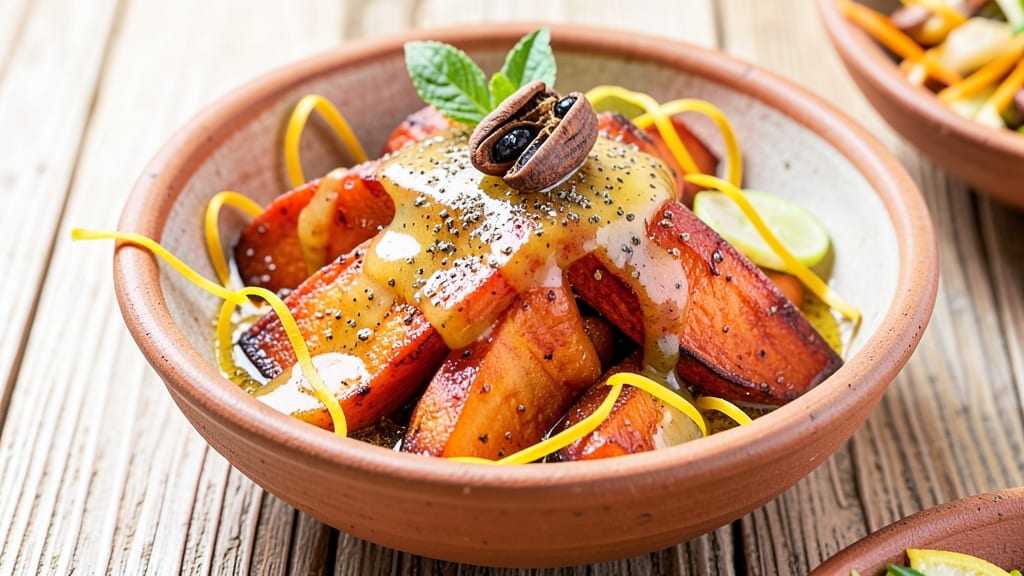
This Ayurvedic sweet potato recipe transforms humble orange roots into a warming, digestive-friendly side dish that balances earthy sweetness with pungent spices.
The secret lies in traditional techniques—steaming the potatoes to preserve their natural sweetness, then sautéing them in ghee with turmeric, cumin, and ginger for a flavor profile that soothes digestion while satisfying cravings.
What sets this apart is the intentional spice harmony: sweet potatoes (earth element) paired with warming spices (fire element) to create a dish that aligns with Ayurvedic principles of seasonal eating.
The recipe begins with whole sweet potatoes—peeled and steamed until tender, then lightly charred on the edges for depth. This method unlocks their natural sugars while maintaining texture, creating a canvas for the spice blend.
The key to Ayurvedic balance here is the ghee (clarified butter), which carries the spices into the potatoes while adding richness without heaviness. A touch of black pepper and asafoetida (hing) rounds out the flavors, ensuring the dish is both aromatic and easily digestible.
By the time you serve this dish, you’ll have a golden, fragrant side that pairs beautifully with lentils, yogurt, or grilled vegetables. The spices not only enhance flavor but also support digestive fire (Agni), making this more than just a side—it’s a nourishing component of an Ayurvedic meal.
The recipe scales effortlessly, whether you’re serving one or feeding a family, and the leftovers reheat perfectly, retaining their warmth and spice.
For those following Ayurvedic principles, this dish embodies the sweet and pungent taste combination, ideal for balancing kapha dosha during cooler months. Optional variations include adding a sprinkle of chaat masala for tanginess or swapping ghee for coconut oil to make it vegan.
The simplicity of the ingredients belies the depth of flavor and digestive benefits—proof that wholesome cooking doesn’t require complexity.
Ingredients for ayurvedic sweet potato
Whole sweet potatoes and Ayurvedic spices create a warming, digestive-friendly side dish perfect for seasonal balance.
| Ingredient | Amount | Notes |
|---|---|---|
| Sweet Potatoes 🍠 | 2 lbs | Organic preferred, medium-sized |
| Ghee 🧈 | ¼ cup | Clarified butter, unsalted |
| Fresh Turmeric 🌿 | 1 tbsp | Grated, vibrant orange color |
| Ground Cumin 🌶️ | 1 tsp | Toasted for deeper aroma |
| Fresh Ginger 🧄 | 1 ½ tbsp | Grated, peeled, organic preferred |
| Asafoetida (Hing) 🌿 | ¼ tsp | Pure powdered form |
| Ground Black Pepper 🌶️ | ½ tsp | Freshly ground preferred |
| Sea Salt 🧂 | ½ tsp | Fine grain preferred |
| Fresh Cilantro 🌿 | ¼ cup | Chopped, for garnish |
| Lemon Juice 🍋 | 1 tbsp | Freshly squeezed |
| Coconut Oil 🫒 | 1 tbsp | For vegan option (optional) |
| Chaat Masala 🌶️ | ½ tsp | Optional, for tanginess |
The sweet potatoes are the foundation—organic varieties like Garnet or Jewel tend to have richer flavor profiles. Whole Foods Market or local farmers' markets often carry heirloom varieties with deeper color and sweetness. For optimal texture, avoid potatoes with soft spots or green patches. If using conventional sweet potatoes, peel thoroughly to remove any residual wax. The ghee is non-negotiable for authenticity; Gujarat brand ghee from Indian markets has the perfect balance of richness without overpowering the dish's natural sweetness. If you must substitute, use coconut oil but reduce by one-third to account for its milder flavor.
Fresh spices elevate this dish dramatically. Penzeys Spices or bulk bins at natural grocery stores offer the highest quality turmeric and cumin—look for vibrant, earthy colors and strong aromas. The asafoetida (hing) is available at Indian specialty stores and online; it's that tiny pinch that transforms the dish into something truly Ayurvedic. For ginger, organic is best—conventional varieties often have higher pesticide residues. No fresh ginger? Ground ginger at half the amount works in a pinch, though it lacks the bright zing. The chaat masala is optional but recommended—MDH brand is widely available and adds that perfect tangy finish that balances the earthy sweetness.
Store peeled sweet potatoes in water in the fridge for up to 3 days to maintain freshness. The spice blend keeps for 3 months in an airtight container in a cool, dark place. Reheat gently in a dry skillet or with a splash of water to restore moisture. This dish reheats beautifully—better the second day as flavors meld. For meal prep, portion into individual servings with a sprinkle of cilantro and lemon juice. The Ayurvedic principles hold that this dish should be served warm, so always reheat thoroughly before serving to preserve its digestive benefits.
Why You'll Love This Recipe
- One-Pot Magic: I swear by this recipe when I’m too tired to wash another pan. Sweet potatoes soften in ghee while the spices bloom—no chopping, no fuss, just golden perfection with zero cleanup.
- Golden Spice Bomb: That first bite? Warm, earthy cumin meets fresh turmeric’s bright kick, then the ginger cuts through like a zesty whisper. It’s the kind of flavor that makes you pause mid-bite, even if the rest of the meal is basic.
- Lunchbox Hero: Between us, this is my go-to for lunch prep. Pack it cold or reheat it—it holds up like a champ. Kids love the sweetness, and I love that it’s packed with nutrients without tasting like a health lecture.
- Budget Warmth: Sweet potatoes are cheap, ghee lasts forever, and a little turmeric goes a long way. I’ve made this for guests, potlucks, or just a cozy night in—always cheaper than takeout, always better.
Step-by-step instructions for Ayurvedic sweet potato preparation
Transform humble sweet potatoes into a digestive-balancing dish using Ayurvedic principles and warm spices.
Prepare and Roast the Sweet Potatoes
Preheat your oven to 400°F and line a baking sheet with parchment paper. Peel the 2 lbs sweet potatoes and cut them into 1-inch cubes, ensuring even-sized pieces for uniform cooking. Toss the cubes with 1 tablespoon coconut oil (or 1 tablespoon ghee for non-vegan option) and spread them in a single layer on the baking sheet.
Roast for 25-30 minutes until the edges are golden brown and the cubes are tender when pierced with a fork. Flip halfway through for even browning. The roasted potatoes should smell sweetly caramelized—this indicates proper Maillard reaction and optimal flavor development.
Create the Ayurvedic Spice Paste
In a small bowl, combine 1 tablespoon grated fresh turmeric, 1.5 tablespoons grated fresh ginger, 1 teaspoon ground cumin, 0.5 teaspoon ground black pepper, and 0.25 teaspoon asafoetida (hing). Add 0.25 cup ghee and mix into a smooth paste using a fork or small whisk. This paste contains the key Ayurvedic spices that support digestion and balance the three doshas.
The asafoetida (hing) is particularly important—its pungent aroma helps stimulate digestive enzymes. If you notice the paste is too thick, add 1 teaspoon warm water to achieve a spreadable consistency. Let it sit for 5 minutes to allow the spices to infuse fully into the ghee.
Infuse the Roasted Potatoes with Spices
Remove the roasted sweet potatoes from the oven and transfer them to a large mixing bowl. Pour the spice-ghee paste over the potatoes and gently toss with a wooden spoon until every cube is evenly coated. The potatoes should absorb the vibrant yellow-orange color from the turmeric and ginger, indicating proper infusion.
Place the bowl over low heat and cook for 5-7 minutes, stirring frequently, until the potatoes are heated through and the spices release their aromatic oils. You'll notice the kitchen filling with a warm, earthy fragrance—this is the signature scent of Ayurvedic cooking. Remove from heat before the spices burn.
Finish with Fresh Herbs and Acid
Transfer the spiced potatoes to a serving platter. Drizzle with 1 tablespoon freshly squeezed lemon juice and sprinkle with 0.25 cup chopped fresh cilantro. For an optional tangy finish, add 0.5 teaspoon chaat masala and toss gently. The lemon juice brightens the dish while the cilantro adds freshness that balances the warm spices.
Let the dish rest for 3-5 minutes before serving to allow the flavors to meld. The final preparation should showcase the deep golden color from the spices, with the lemon juice creating a subtle sheen on the surface. Serve warm as a complete meal or as a side dish with grilled proteins.
Pro Tips For Making Ayurvedic Sweet Potato
- Peel and Cube Small: Sweet potatoes are stubborn—cut them into 1.5-inch chunks (no smaller) or they’ll turn to mush before caramelizing. I learned this the hard way after ending up with a gloppy, sad side dish.
- Roast in Batches: Crowd the pan and you’ll steam instead of crisp. Use two sheets—one for the first batch, another for the second—so the oil stays hot and the edges get properly golden. Yes, it’s extra work, but the texture makes all the difference.
- Toast the Spices: Bloom the cumin and ginger in ghee for 30 seconds before adding turmeric—this releases their oils and cuts bitterness. Skip this, and your dish will taste flat, like someone forgot to season the salt.
- Press the Turmeric: Fresh turmeric is stubborn. Use the flat side of a knife to mash it directly into the ghee until it turns bright yellow and releases its starch. No food processor? Doesn’t matter—this works just as well.
Make-ahead tips for this dish
Prep Ahead Strategy
Peel and cube the sweet potatoes up to 3 days in advance—store them in cold water in an airtight container in the fridge. This prevents browning while keeping them fresh.
I like to label containers with the date so I remember when they’re freshest. The key is to keep them submerged in water until ready to roast. 🍠
Spice Paste Prep
Make the Ayurvedic spice paste 1 day ahead and store it in a small glass jar in the refrigerator. The spices will infuse more deeply over time, creating richer flavor.
Just give it a quick stir before using—no need to adjust quantities. This step saves 10 minutes on cooking day and elevates the dish’s complexity. 🌿
Roast in Batches
If you’re feeding a crowd, roast the sweet potatoes in two batches to avoid overcrowding the pan. Use the same baking sheet for both—just clean it between batches to prevent sticking.
This ensures even browning and consistent texture throughout. I’ve found that 25 minutes per batch works perfectly for medium-sized cubes. ⏰
Reheating Like a Pro
Reheat leftovers in a dry skillet over medium-low heat for 5-7 minutes, stirring occasionally, until warmed through. Add a splash of water if they seem dry.
For microwave reheating, cover with a damp paper towel and heat in 30-second intervals until steaming hot. The spices retain their warmth and aroma this way. 🔥
Portioning for Meal Prep
Divide the finished dish into individual portions with a sprinkle of cilantro and lemon juice. Store in glass containers with tight-sealing lids for up to 4 days in the fridge.
The flavors actually improve overnight as the spices meld further. I love packing these for lunches—they’re hearty, warming, and perfectly balanced. ✨
Freezer-Friendly Option
For longer storage, cool the spiced potatoes completely before transferring to freezer bags. Label with the date and freeze for up to 3 months. To reheat, thaw overnight in the fridge, then warm gently in a skillet with a splash of water.
The texture holds up surprisingly well, making this a great make-ahead option for busy weeks. ❄️
Nutrition facts
Frequently asked questions
Can I use regular potatoes instead of sweet potatoes?
While you can substitute regular potatoes, it won't be the same dish! Sweet potatoes have a naturally sweet, earthy flavor that pairs perfectly with Ayurvedic spices. Regular potatoes are starchier and less flavorful, so you'd need to add extra spices to compensate. For the best results, stick with sweet potatoes—they're the star of this Ayurvedic recipe!
What if I don't have ghee? Can I use another fat?
Yes! For a vegan option, use coconut oil (reduce by 1/3) or olive oil, though ghee's rich flavor is key to authentic Ayurvedic cooking. Ghee's high smoke point and neutral taste make it ideal for carrying spices. If using oil, toast the spices in it for 1 minute before adding to the potatoes to enhance their aroma.
How does this dish balance the doshas?
This recipe combines sweet (potatoes), pungent (ginger, black pepper), and earthy (turmeric, cumin) flavors to balance all three doshas. The warming spices stimulate digestive fire (Agni), while the sweetness soothes. For kapha types, add extra black pepper; for vata types, include more ghee. The lemon juice adds a touch of sourness to complete the Ayurvedic taste profile.
Can I make this dish ahead of time?
The spiced potatoes reheat beautifully. Store in airtight containers for up to 4 days in the fridge or 3 months frozen. For best texture, reheat gently in a skillet with a splash of water. The flavors actually improve overnight as the spices meld. Perfect for meal prep!
Why does my dish taste bitter?
Overcooking the spices or using old ginger/turmeric can cause bitterness. Always use fresh spices and remove the bowl from heat just before the spices start to burn. For extra flavor without bitterness, add 1/2 tsp chaat masala at the end—it balances flavors beautifully. Freshly ground black pepper also helps counteract any bitterness.