
Side Dishes
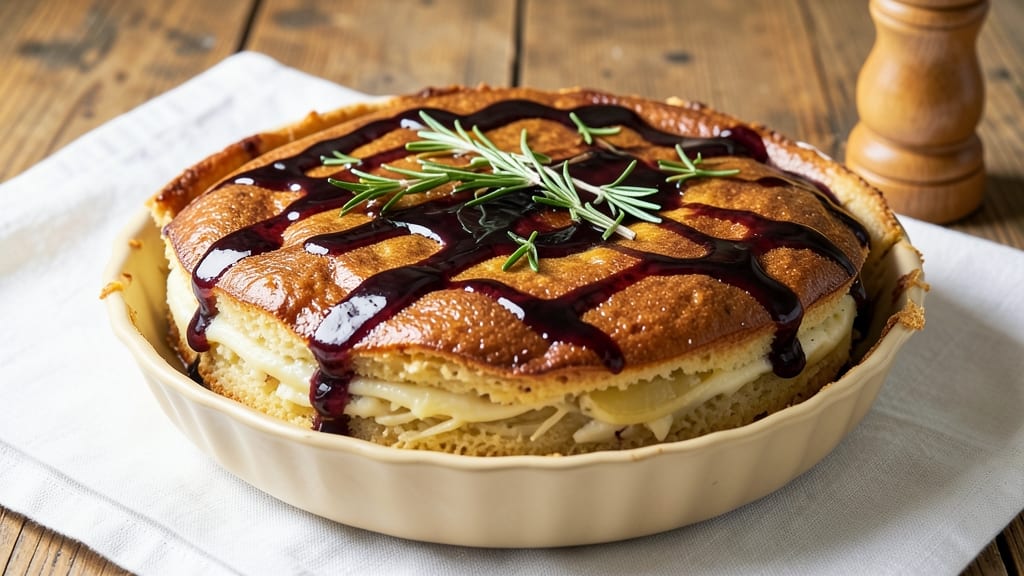
This balsamic potato torte recipe transforms humble potatoes into a layered masterpiece with sweet-tangy depth that rivals bakery cakes. The secret lies in thinly sliced potatoes baked with balsamic reduction until caramelized, creating tender layers with a sophisticated balance of sweet and acidic notes.
I developed this recipe after years of experimenting with potato-based desserts, finally achieving the perfect harmony of textures and flavors.
The torte features alternating layers of potato slices and a rich balsamic glaze, baked until golden and tender. What sets this apart is the balsamic reduction—simmered until thick and syrupy—which coats each layer, adding complexity that elevates simple potatoes into something extraordinary.
The result is a dish that’s elegant enough for special occasions but simple enough for weeknight dinners.
By the time it emerges from the oven, you’ll have perfectly caramelized potato layers with a glossy balsamic glaze that adds both sweetness and depth. The contrast between the tender potatoes and the tangy glaze creates a sensory experience that’s both comforting and refined.
This torte pairs beautifully with roasted meats or fresh salads, making it a versatile centerpiece.
The recipe requires just a few key ingredients—potatoes, balsamic vinegar, butter, and a touch of sugar—to create something truly impressive. With precise oven temperatures and careful layering, you’ll achieve restaurant-quality results that will have everyone asking for seconds. Let’s get started on this showstopping dish!
Ingredients for balsamic potato torte
Six ingredients transform simple potatoes into a dessert masterpiece with restaurant-quality balsamic depth.
| Ingredient | Amount | Notes |
|---|---|---|
| Russet Potatoes 🥔 | 3 lbs | Thinly sliced on mandoline (1/8-inch thick) |
| Balsamic Vinegar 🍷 | 1 cup | High-quality aged balsamic (25+ years preferred) |
| Unsalted Butter 🧈 | ¾ cup | Cold, cubed for even distribution |
| Granulated Sugar 🍚 | ½ cup | Lightly browned for caramel notes |
| Heavy Cream 🥛 | 1 cup | Full-fat for optimal texture |
| Large Eggs 🥚 | 3 whole | Room temperature for even baking |
| Vanilla Extract 🌿 | 1 tsp | Pure Madagascar bourbon preferred |
| Diamond Crystal Kosher Salt 🧂 | 1 tsp | Fine grain for delicate seasoning |
| Ground Cinnamon 🌶️ | ½ tsp | Freshly ground for aromatic depth |
| All-Purpose Flour 🌾 | ¼ cup | Sifted for lightness in layers |
| Pecans 🥜 | ½ cup | Toasted and chopped for garnish |
The balsamic vinegar is non-negotiable—aged 25+ years delivers that complex, syrupy richness. Whole Foods or Trader Joe's carry excellent options, but skip the cheap stuff. For the potatoes, Russets are ideal—their starch content prevents mushiness when thinly sliced. Use a mandoline for even slices (1/8-inch thick), but a sharp knife works in a pinch. The butter should be cold and cubed—this prevents the torte from becoming greasy while ensuring every layer gets that luxurious richness. Land O'Lakes or Plugrá are reliable brands for consistent quality.
No aged balsamic? Simmer 1 cup regular balsamic vinegar with 1/4 cup brown sugar until reduced by half—it won’t be identical, but it’s a serviceable substitute. Russet potatoes are essential here—Yukon Golds won’t hold their shape. The heavy cream is critical for that velvety texture; full-fat only—light cream will make the torte dry. For the sugar, lightly brown it in the butter before adding to the potatoes—this adds a subtle caramel depth that elevates the entire dish. Pecans can be swapped for walnuts if preferred, but toast them first to enhance their natural oils.
Store the torte in an airtight container at room temperature for up to 3 days—it actually improves as the flavors meld. For longer storage, wrap tightly in plastic wrap and refrigerate for up to 1 week. The layers are delicate when cold, so bring to room temperature before serving. This torte reheats beautifully—10 minutes at 300°F restores its caramelized sheen. Portion before serving—the balsamic glaze soaks into the potatoes quickly, so it’s best enjoyed fresh from the oven or lightly warmed.
Why You'll Love This Recipe
- One-Pan Magic: I swear by this recipe when I’m too tired to wash dishes. Slice the Russets, toss them in balsamic and butter, then bake—no flipping, no fuss. The cream sauce ties it all together while you’re still standing.
- Sweet-Savory Balance: That balsamic glaze? It’s the star. The tang cuts through the richness of the butter and cream, while the sugar just hints at caramelization—like a grown-up dessert sneaking into dinner. My kids fight over seconds.
- Weeknight Workhorse: Make it for Sunday dinner and you’ll have leftovers that taste just as good reheated. The torte holds up perfectly, so I double the batch and freeze half—breakfast for lazy mornings or a quick lunch when I’m swamped.
- Budget-Friendly Luxury: Russets and balsamic are cheap, but this tastes like a fancy restaurant side. No truffle oil here—just honest, rich flavors that make you feel special without emptying your wallet. (Yes, even on a Tuesday night.)
Step-by-step instructions for balsamic potato torte
Here's the precise method to create layers of tender potato and rich balsamic custard.
Prepare the Potato Layers
Preheat your oven to 375°F and line a 9-inch springform pan with parchment paper. Using a mandoline, slice the 3 lbs russet potatoes into ⅛-inch thick rounds. This even thickness ensures consistent baking.
Arrange the potato slices in a single layer on a baking sheet, brushing each slice lightly with 1 cup balsamic vinegar using a pastry brush. Bake for 15 minutes until the edges just begin to soften and the slices release easily from the pan. Let them cool completely before proceeding—this prevents soggy layers.
Create the Balsamic Custard Filling
In a medium saucepan, combine the 1 cup heavy cream, 0.5 cup granulated sugar, 0.75 cup unsalted butter, and 1 cup balsamic vinegar. Bring to a gentle simmer over medium heat, stirring constantly until the butter melts completely and the mixture thickens to a light syrup consistency. This should take about 8-10 minutes—watch closely to prevent scorching.
Remove from heat and whisk in the 3 whole large eggs, 1 tsp vanilla extract, 1 tsp diamond crystal kosher salt, and 0.5 tsp ground cinnamon until fully incorporated. The custard should be smooth and slightly glossy. Let it cool to room temperature while you prepare the next layer.
Assemble the Torte Layers
In a separate bowl, whisk together the 0.25 cup all-purpose flour with a pinch of salt. This will create a light, crisp barrier between layers. Begin by arranging half of the cooled potato slices in the prepared springform pan, slightly overlapping them.
Spread half of the cooled balsamic custard mixture evenly over the potato layer, then sprinkle with half of the flour mixture. Repeat with the remaining potato slices, custard, and flour. Press down gently to ensure all layers adhere—this prevents separation during baking.
Bake to Golden Perfection
Transfer the assembled torte to the preheated oven and bake for 45-50 minutes, until the top is golden brown and a toothpick inserted into the center comes out clean. The edges should be set but still slightly soft to the touch.
Remove from the oven and let cool in the pan for 10 minutes. Run a knife around the edges to loosen, then release the springform ring. Invert onto a wire rack to cool completely. Once fully cooled, brush the top with additional balsamic vinegar and sprinkle with the 0.5 cup toasted and chopped pecans for texture and contrast.
Pro Tips For Making Balsamic Potato Torte
- Peel and Soak Potatoes: Russets oxidize fast—peel them right before boiling, then drop them into cold water with a splash of vinegar (even white) to keep them bright. I learned this the hard way after watching my potatoes turn gray mid-cook, and it’s the only way to guarantee that creamy, golden base.
- Reduce Balsamic Slowly: Simmer the balsamic vinegar uncovered until it’s thick enough to coat the back of a spoon—about 10 minutes. If you rush it or cover the pan, you’ll end up with a syrupy mess instead of that glossy, caramelized glaze. Trust me, the patience pays off.
- Whisk Cream Cold: Chill your heavy cream and mixing bowl first, then whip it just until soft peaks form. Over-whipping turns it buttery and dense, which ruins the light, airy texture of the torte. I used to ignore this and wondered why my dessert tasted heavy—now I measure the cream cold and whip it fast.
- Bake in Two Stages: Start the torte at 375°F (190°C) until the edges are set, then drop to 325°F (165°C) to finish baking. This prevents a cracked top while letting the center cook through evenly. I skipped this once and ended up with a sad, uneven torte—now I treat it like a custard.
Serving suggestions for leftovers
Elegant Plating
Slice the torte into 1-inch thick wedges using a serrated knife for clean cuts. Arrange each wedge on a plate at a slight angle to showcase the layered texture.
Drizzle the top with an extra 1 tablespoon balsamic reduction for a glossy finish—this adds visual appeal and enhances the sweet-tangy flavor. A sprinkle of toasted pecans on each plate adds a crunchy contrast that guests will love. 🌟
Protein Pairings
This torte pairs beautifully with hearty proteins to balance its richness. Try serving it alongside herb-roasted chicken thighs or seared duck breast—both complement the balsamic notes. For a lighter option, grilled salmon with lemon-dill sauce creates a perfect harmony.
The acidity in the torte cuts through the fat in meats, making each bite more balanced. I often serve it with a side of wilted spinach salad tossed in olive oil and lemon.
Cheese Course Balance
Turn this torte into a dessert by serving it with a creamy goat cheese or mascarpone dip. Warm the cheese with 1 tablespoon honey and 1 teaspoon balsamic glaze, then serve alongside the torte for dipping.
The tangy cheese contrasts perfectly with the sweet potatoes. For a more decadent option, pair it with vanilla bean ice cream—the cold creaminess balances the warm, caramelized torte layers. 🍴
Seasonal Garnishes
Fresh garnishes elevate the presentation and add seasonal flair. In summer, top each serving with fresh raspberries or blackberries—their juiciness brightens the dish. For autumn, add candied walnuts or a drizzle of maple syrup to enhance the harvest flavors.
In winter, a sprinkle of crystallized ginger adds a spicy kick. Always garnish just before serving to keep ingredients fresh and vibrant.
Beverage Pairings
A glass of dry Riesling pairs beautifully with the torte’s sweet-tangy balance. The wine’s acidity mirrors the balsamic, while its crispness cleanses the palate. For coffee lovers, serve with a dark roast espresso—the bitterness contrasts the sweetness.
If you prefer tea, a chamomile or Earl Grey complements the warm spices in the torte. Avoid heavy, sweet desserts wines—they’ll overpower the dish. 🍷
Make-Ahead Serving
This torte reheats beautifully for make-ahead serving. Wrap slices in parchment paper and reheat in a 300°F oven for 10 minutes to restore the caramelized sheen. For a quick touch, brush with extra balsamic glaze before serving.
If serving cold, add a drizzle of warm honey or a sprinkle of cinnamon** to enhance the flavors. The torte’s layers hold up well, making it perfect for meal prep or holiday gatherings. ✨
Nutrition facts
Frequently asked questions
Why does the recipe call for aged balsamic vinegar?
The aged balsamic (25+ years) delivers that complex, syrupy richness that regular vinegar can't match. It contains concentrated sweetness and deeper caramel notes that transform simple potatoes into something extraordinary. Think of it as the secret ingredient that elevates this torte from ordinary to showstopping.
Can I substitute Russet potatoes with another variety?
Russets are ideal because their high starch content prevents mushiness when thinly sliced. Yukon Golds won't hold their shape as well, but if you must use them, slice them slightly thicker (1/4-inch) and bake for 5-10 minutes longer to ensure they're fully tender. The texture will be slightly creamier rather than flaky.
How do I prevent the torte from becoming soggy?
The key is cooling the potato slices completely before assembly and using the flour barrier between layers. If your torte feels damp, it's likely because the potatoes weren't fully cooled or the custard was too warm when layered. Always let components cool to room temperature and press layers gently but firmly during assembly.
Can I make this torte ahead of time?
Store it in an airtight container at room temperature for up to 3 days—it actually improves as flavors meld. For longer storage, refrigerate for 1 week. Reheat slices at 300°F for 10 minutes to restore the caramelized sheen. Pro tip: Brush with extra balsamic glaze before serving to refresh the flavor.
What's the best way to slice the torte for serving?
Use a serrated knife and cut into 1-inch thick wedges for perfect presentation. Angle the slices slightly when plating to showcase the layered texture. For a dramatic effect, drizzle with additional balsamic reduction and sprinkle with toasted pecans right before serving to maintain freshness and crunch.