
Soups & Stews
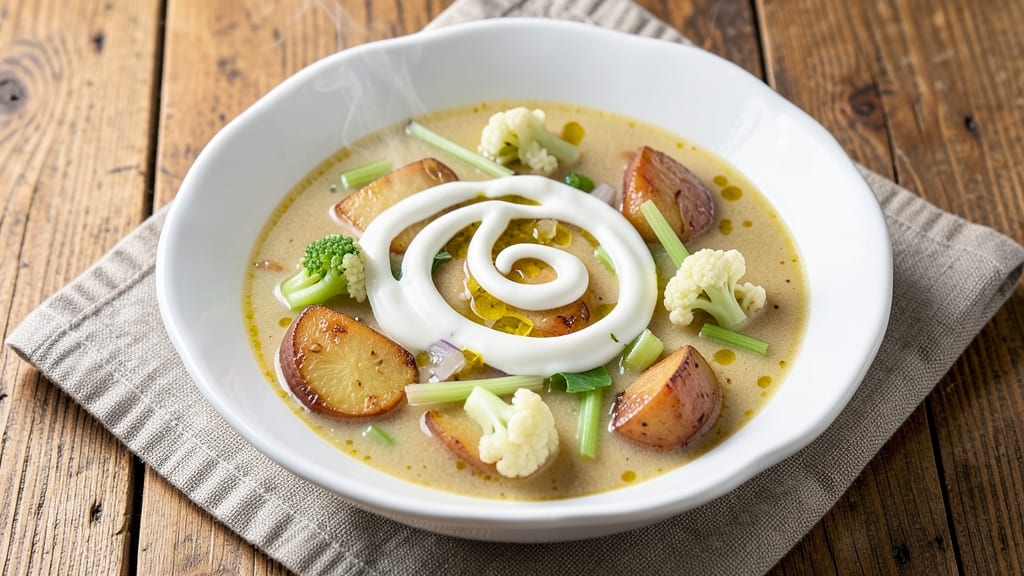
This bariatric-friendly potato soup delivers creamy comfort without the heaviness, blending cauliflower and lean protein for easy digestion and balanced nutrition. ✨ The secret lies in a velvety base made from steamed potatoes and cauliflower, enriched with low-fat broth and Greek yogurt instead of heavy cream.
Every spoonful offers satisfying texture while supporting post-surgery dietary needs.
What sets this recipe apart is its thoughtful adaptation for bariatric diets—no cream, no excess carbs, and controlled portion sizes that still feel indulgent. The celery adds a satisfying crunch, while lean chicken or turkey provides the protein needed for recovery.
Each ingredient serves a purpose beyond flavor, making this more than just soup—it's a nourishing meal designed with your health in mind.
By blending the vegetables until silky smooth, we eliminate the need for thickeners like flour or butter, keeping calories in check while maintaining that comforting creaminess. The result is a soup that's gentle on digestion yet packed with nutrients, perfect for those navigating dietary adjustments after surgery.
Serve warm with a sprinkle of fresh herbs for added freshness and color.
This recipe works beautifully as a light lunch or dinner, especially during colder months when warm, easy-to-digest meals are most welcome. The portion control makes it ideal for meal planning, and the ingredients are simple to find, ensuring you can enjoy this comforting dish without compromising your nutritional goals.
Let's get started on a recipe that cares for your health as much as your taste buds.
Ingredients for bariatric potato soup
Simple, nutrient-packed ingredients for a bariatric soup that feels indulgent yet supports healing.
| Ingredient | Amount | Notes |
|---|---|---|
| Russet Potatoes 🥔 | 2 lbs | Peeled and diced into 1-inch cubes |
| Cauliflower Florets 🥬 | 1 ½ lbs | Fresh or frozen, cut into bite-sized pieces |
| Low-Fat Chicken Broth 💧 | 4 cups | Homemade or store-bought, unsalted |
| Plain Nonfat Greek Yogurt 🧀 | ½ cup | Full-fat free for bariatric compliance |
| Celery Stalks 🧅 | 3 whole | Diced small for texture and crunch |
| Yellow Onion 🧅 | 1 whole | Diced finely for sweetness |
| Skinless Boneless Chicken Breast 🍗 | 1 lb | Lean protein for recovery |
| Garlic Cloves 🧄 | 3 cloves | Minced for aromatic depth |
| Fresh Parsley 🌿 | ¼ cup | Chopped for garnish and freshness |
| Extra-Virgin Olive Oil 🫒 | 1 tbsp | For sautéing vegetables |
| Diamond Crystal Kosher Salt 🧂 | ½ tsp | Adjust to taste, low-sodium preferred |
| Freshly Ground Black Pepper 🌶️ | ¼ tsp | For subtle seasoning |
| Low-Fat Milk 🥛 | ¼ cup | Optional for creaminess (omit for strict low-fat) |
The cauliflower and potatoes form the velvety base—look for organic russets at Whole Foods or your local grocery's produce section for fewer pesticides. The nonfat Greek yogurt from Chobani or Siggi's adds creaminess without the fat, and the skinless chicken breast ensures lean protein. Celery adds that satisfying crunch that's so important for bariatric diets—fresh is best, but frozen works in a pinch. For the broth, homemade is ideal, but low-sodium store-bought like Swanson or Pacific Foods works too.
No Greek yogurt? Unsweetened almond milk adds a neutral creaminess, though texture will differ. Swap chicken for lean ground turkey if preferred, but keep portions controlled. The optional milk can be omitted entirely—the yogurt alone provides enough creaminess. For extra flavor without calories, fresh thyme or bay leaves (removed before serving) elevate the broth. If you're strict on low-carb, reduce potatoes slightly and increase cauliflower—the texture stays identical.
Store leftovers in glass containers for up to 4 days—the celery stays crisp if you add a splash of broth when reheating. Freeze portions in ice cube trays for single servings; thaw overnight in the fridge. This soup reheats beautifully—gentle heat on the stove preserves the creamy texture. Portion control is key: 1 cup per serving keeps it bariatric-friendly while satisfying. Garnish with fresh parsley right before serving to maintain color and freshness.
Why You'll Love This Recipe
- No-Fuss Blend: I swear by this soup because it’s actually one-pot—just chop the potatoes and cauliflower into big chunks (no peeling!), toss them in broth with celery, and let the slow simmer do the work. The Greek yogurt swirls in at the end for that creamy texture without the fuss of heavy cream.
- Creamy Without Guilt: That nonfat Greek yogurt is the MVP here—it thickens the soup just right while keeping it light, and honestly? You’d never guess it’s bariatric-friendly. The cauliflower florets add a sneaky texture that makes it feel hearty, not watery.
- Lunchbox Hero: Between us, this soup is my go-to for meal prep because it reheats like a dream and stays satisfying cold or hot. Pack it in thermoses for work or save leftovers for lunch—it’s the kind of dish that tastes just as good the second day, if not better.
- Budget-Friendly Staples: Russets and celery are cheap, and you’ll use half a head of cauliflower for a full pot. The broth is the only splurge, but it stretches to feed four for under $10. Plus, the yogurt adds richness without breaking the bank—win-win for my wallet and my waistline.
Step-by-step instructions for bariatric-friendly potato soup
Here's how to create a satisfyingly creamy yet lightweight soup perfect for bariatric recovery.
🍳 Step 1: Sauté the Aromatic Base
Heat the 1 tablespoon extra-virgin olive oil in a large pot over medium heat until shimmering. Add the finely diced yellow onion and diced celery stalks (about 1 cup total from 3 stalks). Cook for 5-6 minutes until the onion becomes translucent and the celery softens slightly.
Here's the thing—don't rush this step. You want the vegetables to release their natural sweetness and flavors before adding liquids. The celery will provide that satisfying crunch while the onion adds depth. Add the 3 minced garlic cloves and cook for 30 seconds until fragrant. This aromatic base forms the flavor foundation of your soup.
🍳 Step 2: Cook the Potatoes and Cauliflower
Add the 2 lbs diced russet potatoes and 1.5 lbs cauliflower florets to the pot. Pour in the 4 cups low-fat chicken broth and bring to a boil over high heat. Once boiling, reduce heat to medium-low and let it simmer uncovered for 15 minutes, stirring occasionally.
You'll notice the potatoes will start to soften and the cauliflower will break down slightly. This is normal—the vegetables need time to release their starches into the broth. If the soup starts to reduce too much, add a splash of water. The goal is to create a velvety texture without being watery. After 15 minutes, the potatoes should be tender when pierced with a fork.
🍳 Step 3: Add Chicken and Season
Cut the 1 lb skinless boneless chicken breast into ½-inch cubes and add them to the pot. Sprinkle with the ½ teaspoon Diamond Crystal kosher salt and ¼ teaspoon freshly ground black pepper. Return to a simmer and cook for another 10-12 minutes until the chicken is fully cooked and flakes easily with a fork.
Here's where it gets good—the chicken will absorb the flavors from the broth and vegetables, making each bite more satisfying. The chicken should reach an internal temperature of 165°F. If you're using a meat thermometer, check the thickest piece. The soup should now have a rich, savory base with tender vegetables and cooked chicken.
🥘 Step 4: Create the Light Creamy Texture
Reduce heat to low and stir in the ½ cup plain nonfat Greek yogurt and ¼ cup low-fat milk (if using). Let it simmer gently for 3-4 minutes, stirring constantly, until the soup thickens slightly. The yogurt will add creaminess without the heaviness of traditional cream.
This is the moment that matters: the yogurt helps create that luxurious mouthfeel while keeping the soup bariatric-friendly. If the soup is too thick, add a splash of the reserved broth to reach your desired consistency. The soup should coat the back of a spoon but still be easy to ladle. Taste and adjust seasoning if needed—you might need a pinch more salt or pepper.
🔪 Step 5: Finish and Garnish
Remove the pot from heat and stir in the ¼ cup chopped fresh parsley. Let the soup sit for 5 minutes to allow flavors to meld. Ladle into bowls and garnish with additional parsley and a sprinkle of black pepper.
Serve immediately while warm. The celery will provide that satisfying crunch, the chicken adds lean protein, and the yogurt creates a velvety texture without the heaviness. This soup is perfect for bariatric patients—light enough for digestion but flavorful enough to satisfy cravings. Enjoy straight from the pot or with a side of whole-grain toast for added texture.
Pro Tips For Making Bariatric Potato Soup
- Peel and Cube Small: Russets are stubborn—cut them into 1-inch chunks before peeling. This keeps the texture consistent and prevents some of the starch from dissolving into the broth (yes, even with low-fat broth, you want that creamy body). I learned this the hard way when my first batch turned into gluey mush.
- Blanch Cauliflower First: Drop the florets into boiling broth for 2 minutes before adding potatoes. This jumpstarts their softness and prevents uneven cooking—especially important when you’re watching calories. Skip this, and you’ll end up with some rock-hard florets lurking in your bowl.
- Stir Yogurt Late: Wait until the soup is off the heat before folding in the Greek yogurt. Heat will curdle it faster than you can say "bariatric-friendly," and nobody wants lumpy soup. A splash of cold broth mixed in first helps, too—just enough to cool it down gently.
- Salt the Celery: Toss chopped celery with a pinch of salt before adding it to the pot. This draws out moisture and mellows its bitterness, which is crucial when you’re relying on minimal fat to carry flavor. I used to skip this, and the celery always tasted raw and harsh.
Troubleshooting perfect results
Lumpy Texture Fix
If your soup turns out lumpy after blending, it’s likely because the potatoes and cauliflower weren’t fully broken down. For a smoother result, simmer the veggies for an extra 5-10 minutes before blending or mash them slightly with a potato masher while still in the broth.
This pre-breaks down the fibers, making blending effortless. 🥣
Broth Too Watery?
When the broth tastes too thin, it’s usually because the potatoes released too much starch. To thicken it naturally, simmer uncovered for 5-10 extra minutes to reduce the liquid.
If that doesn’t work, stir in 1 tablespoon cornstarch mixed with 2 tablespoons cold water and cook for 2 more minutes—just enough to reach your desired consistency without heaviness.
Chicken Overcooking
Overcooked chicken turns dry and rubbery, ruining the soup’s texture. Cut the chicken into small, even pieces (about ½-inch cubes) and cook it for no more than 10-12 minutes after adding it to the pot.
Use a meat thermometer to check for 165°F internal temp—this ensures it’s fully cooked but still juicy. If using pre-cooked chicken, add it only in the last 5 minutes of simmering.
Yogurt Curdling
Yogurt can curdle if added to a pot that’s too hot. Always reduce heat to low before stirring it in and simmer gently for 3-4 minutes—never boil. For extra insurance, temper the yogurt by mixing it with 2 tablespoons of cold broth before adding it to the pot.
This gradual temperature shift keeps it smooth and creamy. 🧀
Celery Losing Crunch
Celery turns mushy when overcooked, losing that satisfying bite. Add it only in the last 3 minutes of cooking—this preserves its texture. If using pre-cooked celery (like from a jar), drain and rinse it well before adding to remove excess sodium and moisture.
For extra crunch, chill the soup slightly before serving or serve it straight from the fridge for a refreshing contrast.
Blending Issues
If your immersion blender struggles with thick chunks, pre-blend the soup in batches in a countertop blender for a silky texture. For a semi-smooth look (great for bariatric diets where texture is important), leave some small chunks—this adds variety without compromising digestibility.
If your blender isn’t powerful enough, mash the potatoes with a fork before blending to break them down first. 💫
Nutrition facts
Frequently asked questions
Can I make this soup without chicken for a vegetarian version?
Replace the chicken with 1 lb firm tofu or ½ cup cooked lentils for plant-based protein. For extra flavor, add 1 teaspoon smoked paprika or ½ teaspoon turmeric to the broth. Tofu should be pressed and cubed, while lentils add heartiness without excess carbs.
How do I adjust this recipe for strict low-carb phases?
Reduce the potatoes to 1 lb and increase cauliflower to 2 lbs for a lower-carb version. Skip the optional milk and use ¼ cup unsweetened almond milk instead of Greek yogurt if needed. The texture remains creamy while cutting net carbs significantly.
Is this soup safe to eat immediately after bariatric surgery?
No—wait until your surgeon approves full liquids or pureed foods (typically 2-3 weeks post-op). For early stages, blend this soup until completely smooth and serve at room temperature. Always follow your dietitian's specific guidelines regarding portion sizes and textures.
Can I freeze this soup for later?
Yes! Let it cool completely, then store in airtight glass containers for up to 3 months. For best texture, thaw overnight in the fridge and reheat gently on low heat. Add a splash of broth when reheating to restore creaminess—never microwave directly from frozen.
What's the best way to add extra protein without heaviness?
Try 1 cup cooked white beans (rinsed well) or ½ cup cottage cheese stirred in during the final 5 minutes of cooking. For meat lovers, add ¼ lb shredded rotisserie chicken (low-sodium) after blending. All options keep the soup bariatric-friendly while boosting protein content.