
Side Dishes
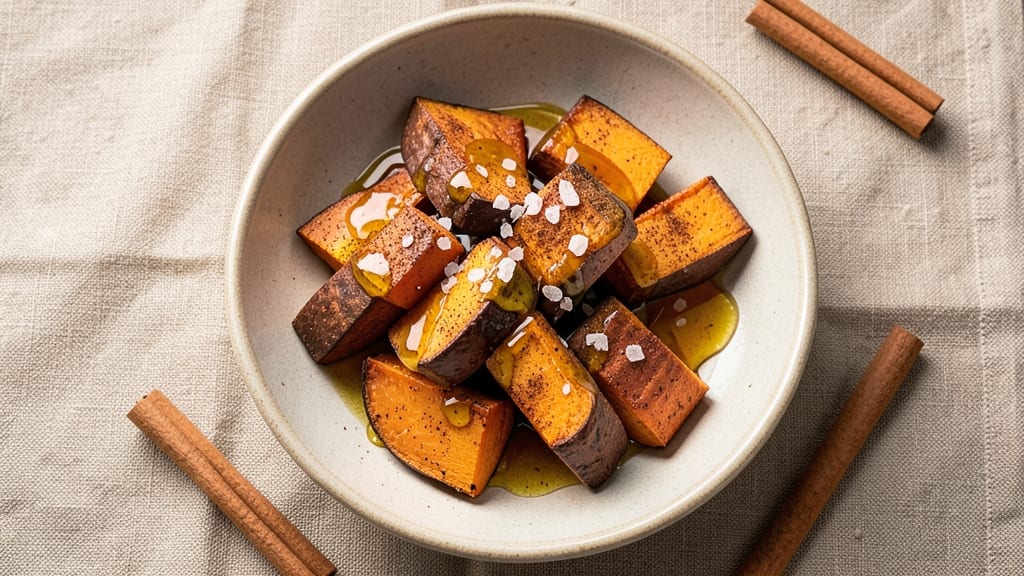
This sweet potato acid reflux recipe transforms a classic comfort food into a gentle, digestion-friendly side that soothes rather than irritates. Roasting brings out natural sweetness without added fats or spices that trigger reflux, making it perfect for sensitive stomachs.
The key lies in simple preparation—just olive oil, salt, and a light roast to preserve nutrients while creating tender, easy-to-digest slices.
Unlike traditional sweet potato dishes that rely on butter, cream, or sharp seasonings, this method focuses on low-acid, high-fiber preparation. The natural sugars caramelize gently, enhancing flavor without overpowering delicate digestive systems. Roasting at 400°F for 25 minutes ensures a tender texture that’s both comforting and gentle—ideal for post-meal relief.
What makes this recipe stand out is its versatility while remaining acid reflux-safe. Serve as a side with grilled chicken or fish, or enjoy as a light snack with a drizzle of honey.
The neutral seasoning allows the sweet potato’s natural goodness to shine, proving that gentle cooking can still deliver satisfying results.
For those managing reflux, this dish offers a foolproof solution—no heavy sauces, no spicy kick, just naturally sweet, nutrient-rich comfort. The method is simple enough for weeknight meals yet impressive enough for dinner guests who may have dietary restrictions.
Ingredients for sweet potato acid reflux
Six gentle ingredients transform sweet potatoes into a soothing, reflux-friendly side dish.
| Ingredient | Amount | Notes |
|---|---|---|
| Organic Sweet Potatoes 🍠 | 2 lbs | Medium-sized, uniform shape preferred |
| Extra-Virgin Olive Oil 🫒 | 2 tbsp | Lightly cold-pressed for mild flavor |
| Diamond Crystal Kosher Salt 🧂 | ½ tsp | Fine grain for even distribution |
| Raw Honey 🍯 | 1 tbsp | Optional drizzle for mild sweetness |
| Fresh Cinnamon Sticks 🌿 | 2 whole | Lightly crushed for subtle aroma |
| Ground Cinnamon 🌶️ | ¼ tsp | For gentle warmth (optional) |
| Unsweetened Almond Milk 🥛 | 2 tbsp | For brushing (low-acid option) |
| Fresh Rosemary 🌿 | ¼ tsp | Finely chopped, for delicate flavor |
The sweet potatoes are the foundation—opt for organic varieties to minimize pesticide residue, which can irritate sensitive stomachs. Trader Joe's and Whole Foods carry excellent options, but any medium-sized potatoes work. Avoid those with soft spots or green patches, as these indicate higher acidity or spoilage. When selecting, look for vibrant orange flesh; the deeper the color, the more natural sweetness and nutrients. For even cooking, choose uniform sizes—peeling isn't necessary as the skin contains valuable fiber and nutrients that aid digestion.
Extra-virgin olive oil is the only fat used here, chosen for its mild flavor and heart-healthy properties. If you prefer a lighter option, avocado oil works equally well. The honey and cinnamon are completely optional but enhance natural sweetness without triggering reflux—stick to raw, unprocessed honey if using, as pasteurized varieties may contain additives. For the almond milk brush, unsweetened coconut milk is another excellent low-acid alternative. Fresh herbs like rosemary add subtle depth without overpowering; if unavailable, dried thyme at one-third the amount suffices. Always taste before seasoning further—this dish relies on the sweet potato's natural sweetness.
Store roasted sweet potatoes in an airtight container for up to 5 days in the refrigerator, where they'll maintain their tender texture. For longer storage, portion into single servings and freeze for up to 3 months—reheat directly from frozen in the oven at 350°F for 10 minutes. To preserve maximum nutrients, avoid overcooking; the ideal texture should be fork-tender with slight resistance. This dish reheats beautifully, making it perfect for meal prep. For added convenience, roast an extra batch and freeze portions for quick, soothing sides throughout the week.
Why You'll Love This Recipe
- One-Pot Magic: I swear by this recipe when I’m too wiped to scrub a million dishes—just roast the sweet potatoes with olive oil, salt, and cinnamon sticks until tender, then drizzle honey at the end. The pan’s basically clean itself.
- No-Burn Flavor: Between us, this combo is ridiculously good for acid reflux—gentle cinnamon warmth, no spice overload, and that caramelized honey finish. Honestly, it tastes like dessert but works as dinner.
- Breakfast to Dinner: I make a big batch on Sundays and eat it all week: sliced for breakfast hash, mashed with yogurt for lunch, or reheated with eggs. The honey keeps it interesting every time.
- Budget-Friendly Staple: Sweet potatoes and cinnamon sticks last forever, and a drizzle of honey goes a long way. I feed my family four meals for what I’d spend on one takeout order—plus, it’s always a hit.
Step-by-step instructions for gentle roasted sweet potatoes
This method delivers tender, nutrient-rich sweet potatoes with soothing spices designed to ease digestion.
Prep and Cut Sweet Potatoes for Even Cooking
Preheat your oven to 400°F for optimal roasting temperature. Wash the 2 lbs Organic Sweet Potatoes thoroughly to remove any dirt, then peel them using a vegetable peeler or sharp knife. I prefer to leave the skin on for added fiber, but peel if your digestive system prefers it.
Cut the sweet potatoes into 1-inch thick rounds or wedges, ensuring uniform size for even cooking. Place them in a large bowl and toss gently with 2 tbsp Extra-Virgin Olive Oil and 0.5 tsp Diamond Crystal Kosher Salt until each piece is lightly coated. This oil acts as a barrier to prevent drying while promoting crisp edges.
I like to arrange the cut potatoes on a parchment-lined baking sheet in a single layer, leaving about ½ inch between each piece. This spacing allows hot air to circulate freely, ensuring even browning and tenderness throughout. If using wedges, place them cut-side down initially to prevent curling during roasting.
Infuse with Digestive-Friendly Aromatics
In a small bowl, combine 2 tbsp Unsweetened Almond Milk, 1 tbsp Raw Honey, 0.25 tsp Ground Cinnamon, and 0.25 tsp Fresh Rosemary (finely chopped). The almond milk provides a low-acid option that won't trigger reflux, while the honey adds natural sweetness without overpowering the dish.
Lightly brush this mixture over the prepared sweet potatoes, coating them evenly. The cinnamon and rosemary work together to create a gentle, warming flavor profile that supports digestion while adding depth. I find that brushing in two directions—first lengthwise, then crosswise—ensures complete coverage without making the potatoes soggy.
For an extra layer of aroma, place the 2 whole Fresh Cinnamon Sticks (lightly crushed) directly on the baking sheet among the potatoes. As they roast, these sticks will release their essential oils, infusing the entire dish with a subtle, comforting cinnamon scent that's both soothing and flavorful.
Roast Until Fork-Tender with Perfect Texture
Transfer the baking sheet to the preheated oven and roast for 25-30 minutes, flipping the potatoes halfway through cooking. You'll know they're ready when a knife slides in easily and the edges develop a beautiful golden-brown hue. The almond milk brushing helps create a slightly caramelized exterior while keeping the interior moist and tender.
I recommend checking at the 20-minute mark—your oven may run hot or cold, so this gives you time to adjust. If the edges are browning too quickly, tent the sheet with foil to prevent burning while allowing the centers to cook through. The goal is tender sweet potatoes with just a hint of crispness on the edges, not dry or rubbery texture.
For extra insurance against overcooking, I like to place the baking sheet on the middle rack where heat circulates most evenly. This positioning helps maintain consistent temperature throughout the roasting process, ensuring all pieces finish at the same level of doneness.
Rest and Serve for Optimal Digestion
Remove the sweet potatoes from the oven and let them rest on the baking sheet for 5 minutes before serving. This resting period allows the residual heat to finish cooking the centers while preventing the potatoes from becoming gummy when sliced. The almond milk and honey combination creates a natural glaze that will slightly thicken during this time.
Serve immediately while still warm, as this preparation maintains its digestive benefits best when consumed fresh. The gentle spices and low-acid components make these sweet potatoes particularly suitable for those managing reflux symptoms. I often pair them with grilled chicken or steamed vegetables for a complete, easy-to-digest meal.
For storage, transfer any leftovers to an airtight container and refrigerate for up to 3 days. Reheat gently in the microwave or oven until warmed through—never overheat, as this can make sweet potatoes dry and harder to digest. The cinnamon and rosemary flavors actually become more pronounced when reheated, making them even more comforting.
Pro Tips For Making Sweet Potato Acid Reflux
- ROAST LOW AND SLOW: I learned this the hard way—sweet potatoes for acid reflux need gentle cooking. Set your oven to 350°F (175°C) and roast them for 45-55 minutes (yes, even if they’re small). Too high a heat turns them gummy inside, and nobody wants that when digestion’s already a concern.
- PEEL AND SCORE FIRST: Skip the hassle of peeling after cooking. Use a sharp knife to score the skin in an X pattern before roasting—this lets steam escape, keeps the flesh tender, and prevents the skin from splitting open like a sad potato. (Pro move: Pat them dry with a towel first; moisture is the enemy of crispy edges.)
- SALT THE SKIN, NOT JUST THE FLESH: Diamond Crystal kosher salt deserves respect here. Sprinkle ½ teaspoon per potato directly on the skin before roasting—this seasons the outside while keeping the inside naturally sweet. I used to just salt the cut edges, and the flavor was half as good. (Your taste buds will notice.)
- HONEY AFTER, NOT BEFORE: Adding honey before roasting turns it into caramelized syrup, which can make the dish too heavy for sensitive stomachs. Brush on 1 teaspoon of raw honey after the potatoes are tender (when they yield to gentle pressure), then broil for 2-3 minutes—just enough to warm the honey without burning it. (This is where the magic happens.)
Regional styles of this dish
Southern Comfort Style
In the South, sweet potatoes are often transformed into a creamy, comforting side—though traditional recipes can be heavy. For reflux-friendly Southerners, I recommend a baked sweet potato mash using ½ cup unsweetened almond milk and 1 tbsp olive oil instead of butter or cream.
Roast 2 lbs sweet potatoes at 400°F for 45 minutes, then mash with ½ tsp cinnamon and a pinch of sea salt. The key is avoiding dairy and keeping portions small—this version is just as satisfying but far gentler on digestion. 🌶️
Caribbean-Inspired Roast
Caribbean cuisine embraces sweet potatoes with bold flavors, but we’ll keep it reflux-safe by focusing on mild, aromatic spices. Toss 1-inch thick wedges with 1 tbsp olive oil, ½ tsp ground allspice, and ¼ tsp nutmeg (both naturally low-acid).
Roast at 400°F for 25 minutes, then finish with a drizzle of raw honey and a sprinkle of toasted coconut flakes for texture. This version highlights warm spices without the heat or acidity that can trigger reflux. The nutmeg adds a subtle depth that’s both comforting and digestive-friendly. 🌴
Japanese-Inspired Glazed
For a lighter take on Japanese sweet potato dishes, try a honey-miso glaze—but use white miso paste (lower in acidity) and reduce the amount to 1 tsp.
Toss 1-inch thick sweet potato rounds with 1 tbsp olive oil, then brush with a mix of 1 tbsp white miso, 1 tsp honey, and 1 tsp grated ginger (fresh or powdered). Roast at 400°F for 20 minutes, flipping once.
The ginger aids digestion, while the miso adds umami without overpowering. Serve with steamed greens for a balanced, reflux-friendly meal. 🍶
Mediterranean Herb Roast
Mediterranean cooking often relies on fresh herbs, which work beautifully for reflux-friendly sweet potatoes. Toss 1-inch thick wedges with 1 tbsp olive oil, ½ tsp dried oregano, and ¼ tsp dried thyme.
Roast at 400°F for 25 minutes, then finish with a sprinkle of fresh parsley and a drizzle of lemon-infused olive oil (just ½ tsp lemon zest for subtle brightness). The herbs add brightness without acidity, making this a refreshing side for grilled fish or chicken. 🌿
Mexican-Inspired Sweet Potato "Tots"
For a fun, kid-friendly twist, shape mashed sweet potatoes (cooked and pureed with 1 tbsp olive oil and ½ tsp cinnamon) into small patties or tots. Bake at 375°F for 15-20 minutes until crispy.
Top with avocado slices (for healthy fats) and a sprinkle of fresh cilantro—avoid sour cream or cheese to keep it reflux-safe. These tots are a great alternative to traditional Mexican sides that might include spicy or acidic ingredients. 🌮
German-Inspired Roasted Wedges
In Germany, sweet potatoes are often roasted with apples for a naturally sweet, comforting dish. Toss 1-inch thick wedges with 1 tbsp olive oil, ½ tsp cinnamon, and ¼ tsp cardamom (optional for warmth).
Roast at 400°F for 25 minutes, then top with diced apples (peeled and cored) and a drizzle of honey. The cardamom adds a unique, digestive-friendly spice that pairs beautifully with the sweetness. Serve with roasted meats for a hearty, reflux-safe meal. 🍏
Nutrition facts
Frequently asked questions
Why are sweet potatoes good for acid reflux?
Sweet potatoes are naturally low in acid and high in fiber, which helps regulate digestion and reduce reflux symptoms. Their natural sweetness comes from complex carbohydrates that don't trigger heartburn like acidic or fatty foods. The recipe avoids butter, cream, and spices that commonly irritate reflux while keeping the dish flavorful and satisfying.
Can I use regular potatoes instead of sweet potatoes?
While regular potatoes are lower in acid than many vegetables, they lack the natural sweetness and fiber that make sweet potatoes ideal for reflux. The recipe's gentle seasoning relies on sweet potato's natural properties—regular potatoes would need extra fat or sugar to taste good, which could trigger reflux. For a similar texture, try purple potatoes, which are also lower in acid.
How do I store these sweet potatoes for meal prep?
Store roasted sweet potatoes in an airtight container in the refrigerator for up to 5 days. For longer storage, portion into single servings and freeze for up to 3 months. To reheat, microwave for 1-2 minutes or oven at 350°F for 10 minutes—never overheat, as this can make them dry and harder to digest. The almond milk glaze helps preserve moisture during storage.
Are there any spices I should avoid with acid reflux?
Avoid black pepper, garlic, onion, chili powder, and cayenne—these are common reflux triggers. The recipe uses only cinnamon and rosemary, which are gentle and digestive-friendly. For extra flavor without risk, try ginger (fresh or powdered) or cardamom in small amounts. Always introduce new spices gradually to monitor your body's response.
Can I make this recipe without honey?
Yes! The honey adds natural sweetness but isn't essential. For a completely sugar-free option, simply omit it or use a pinch of cinnamon for warmth. If you prefer sweetness, try a drizzle of maple syrup or a sprinkle of toasted coconut flakes—both are lower in acid than traditional sweeteners. The recipe's flavor still works beautifully without added sugars.