
Side Dishes
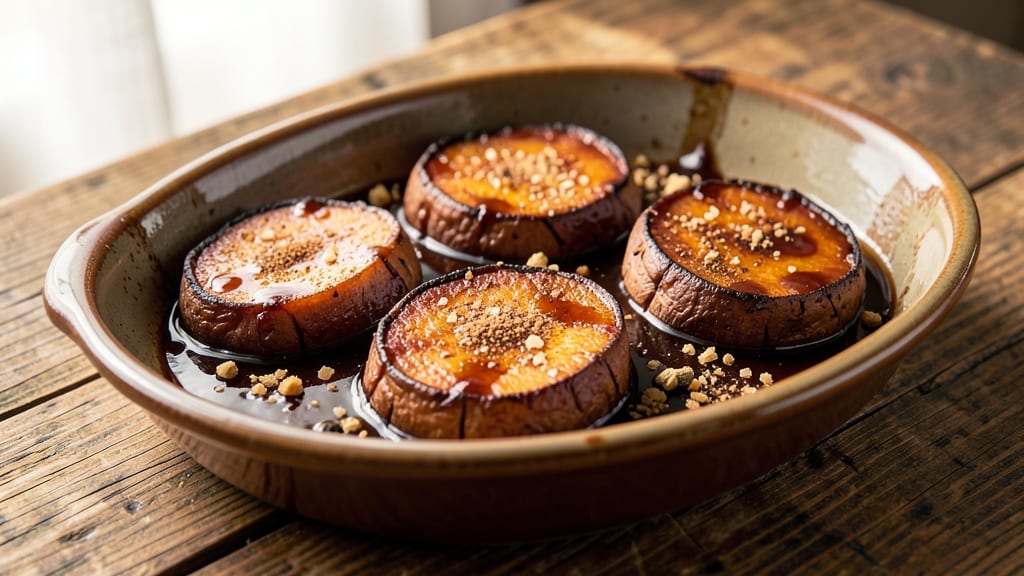
This molasses-glazed roast with caramelized edges transforms humble sweet potatoes into a rich, sweet-savory masterpiece that pairs perfectly with holiday meals or weeknight dinners.
The deep, molasses-infused glaze creates a sticky, amber crust that contrasts beautifully with the tender, fluffy interior—every bite delivers a perfect balance of caramelized sweetness and smoky depth.
I developed this recipe after years of experimenting with ways to elevate simple roasted sweet potatoes, and the molasses was the game-changer that turned them into a showstopper side dish.
The secret lies in the glaze—a simple yet transformative blend of molasses, brown sugar, and warm spices like cinnamon and ginger, which caramelizes into a glossy, irresistible coating. Unlike traditional sweet potato casseroles, this method skips the heavy cream and marshmallows, delivering a lighter yet equally indulgent result.
The sweet potatoes roast until tender and slightly crisp at the edges, absorbing the molasses glaze to create a dish that’s both comforting and sophisticated.
What you’ll end up with is a side dish that’s visually stunning—golden-brown caramelized edges contrasting with creamy, spiced sweet potatoes—and packed with flavor. The molasses adds a subtle bitterness that cuts through the natural sweetness of the potatoes, while the spices add warmth and complexity.
This recipe is foolproof, requiring just 45 minutes of hands-off roasting time, making it perfect for busy cooks who still want to impress.
Serve alongside roasted meats, grilled chicken, or even as a vegetarian main with a sprinkle of toasted pecans and a drizzle of honey for extra depth.
The versatility of this dish makes it ideal for holiday tables, potlucks, or a special weeknight dinner. Ready to elevate your sweet potatoes? Let’s get started.
Ingredients for sweet potato and molasses
The perfect blend of sweet, smoky, and caramelized flavors begins with these quality ingredients.
| Ingredient | Amount | Notes |
|---|---|---|
| Medium Sweet Potatoes 🍠 | 3 lbs | Organic preferred, uniform size |
| Molasses 🍯 | ½ cup | Unsulphured for best flavor |
| Light Brown Sugar 🍚 | ½ cup | Packed, not spooned |
| Ground Cinnamon 🌿 | 1 tbsp | Ceylon preferred for purity |
| Ground Ginger 🌶️ | ½ tbsp | Freshly ground for potency |
| Ground Cloves 🌿 | ¼ tbsp | Whole cloves preferred |
| Kosher Salt 🧂 | 1 ½ tsp | Diamond Crystal preferred |
| Black Pepper 🌶️ | ½ tsp | Freshly cracked preferred |
| Extra-Virgin Olive Oil 🫒 | 2 tbsp | For tossing and roasting |
| Toasted Pecans 🥜 | ¼ cup | Chopped, for garnish |
| Fresh Thyme Leaves 🌿 | 1 tbsp | Chopped, for garnish |
| Unsalted Butter 🧈 | 2 tbsp | Cubed, for basting |
The sweet potatoes are the foundation, and organic, uniform-sized tubers roast most evenly. Look for vibrant orange flesh—avoid any with soft spots or green skin, which indicates age. Whole Foods or local farmers markets often carry the freshest selection. For molasses, unsulphured is non-negotiable—it has a cleaner, richer flavor. The brown sugar should be light, not dark, to avoid overpowering the molasses' depth. If you're feeling ambitious, toast the pecans in a dry pan until golden for maximum flavor—just a few minutes at medium heat.
No unsulphured molasses? Substitute with dark corn syrup at equal amounts, though the flavor won't be identical. Fresh ginger works beautifully if you have it—grate it and use half the amount of ground ginger. The Ceylon cinnamon is worth seeking out for its delicate flavor, but regular cinnamon works in a pinch. For a deeper caramelization, add 1 tbsp of apple cider vinegar to the glaze. The olive oil should be extra-virgin—anything less will compromise the dish's richness. If you're short on time, pre-chop the pecans and thyme while the sweet potatoes roast.
Sweet potatoes keep for up to 2 weeks in a cool, dark place—just don't refrigerate them until you're ready to use. The molasses glaze can be prepped a day ahead and stored in an airtight container in the fridge. For best results, roast the sweet potatoes at 425°F for that perfect caramelized edge. Leftovers reheat beautifully—cover with foil and warm in the oven at 350°F for 10-15 minutes. Garnish with toasted pecans and fresh thyme just before serving to keep everything vibrant.
Why You'll Love This Recipe
- One-Pot Magic: I swear by this recipe when I’m too tired to wash another dish. Peeling, dicing, roasting—all in one pan with the sweet potatoes and molasses caramelizing into that sticky, spiced goodness. No chopping boards left in the sink, no stress.
- Molasses Kiss: That first bite? Rich, deep, and just sweet enough to make you pause. The molasses and brown sugar meld with the cinnamon and ginger, creating a flavor so warm it feels like a hug in your mouth—especially when the edges get crispy.
- Breakfast or Dessert: Honestly, I make this for both. Serve it warm with a dollop of yogurt for a hearty breakfast, or chill it overnight as a dessert with a scoop of ice cream. The same simple ingredients just work differently depending on the day.
- Budget-Friendly Staple: Sweet potatoes and molasses are cheap, but they feel like a treat. A single bag lasts me weeks, and the spices cost pennies. Plus, leftovers reheat beautifully—my go-to for lazy mornings or after-school snacks when the kids are clamoring.
Step-by-step instructions for molasses-glazed roast sweet potatoes
Transform humble sweet potatoes into a rich, caramelized masterpiece with this precise roasting method.
Prepare and Season the Sweet Potatoes
Preheat your oven to 400°F and line a large rimmed baking sheet with parchment paper. Peel the 3 lbs medium sweet potatoes and slice them into ½-inch thick rounds. I use a mandoline for even slices, but a sharp knife works too—just keep them consistent in thickness for uniform cooking.
In a large bowl, combine the sliced sweet potatoes with 2 tbsp extra-virgin olive oil, 1 tbsp ground cinnamon, 0.5 tbsp ground ginger, 0.25 tbsp ground cloves, 1.5 tsp kosher salt, and 0.5 tsp black pepper. Toss everything thoroughly until every piece of potato is evenly coated in the spice-oil mixture. The spices should cling to the surface—this ensures maximum flavor penetration during roasting.
Roast Until Tender with Crispy Edges
Spread the seasoned sweet potatoes in a single layer on the prepared baking sheet, leaving about ½ inch between each piece. This spacing prevents steaming and allows for proper browning. Roast for 20 minutes until the edges begin to soften and the potatoes release easily from the pan.
Here's the critical part: After 20 minutes, increase the oven temperature to 425°F for the final 15-20 minutes of roasting. This higher heat caramelizes the natural sugars in the potatoes, creating those coveted crispy edges while keeping the centers tender. You'll know they're done when a knife slides in easily and the edges are deep golden brown with visible caramelization.
Create the Molasses Glaze
While the potatoes roast, prepare the glaze by combining 0.5 cup molasses and 0.5 cup light brown sugar in a small saucepan over medium heat. Stir constantly for 3-4 minutes until the mixture thickens slightly and becomes syrupy. It should coat the back of a spoon but still be pourable—this consistency ensures it clings beautifully to the potatoes.
Remove the saucepan from heat and whisk in 2 tbsp cubed unsalted butter until melted and fully incorporated. The butter adds richness that balances the molasses' intensity. Keep this glaze warm until ready to use—it should remain fluid enough to drizzle but thick enough to caramelize when brushed onto the hot potatoes.
Glaze and Garnish for Maximum Impact
Carefully transfer the roasted sweet potatoes to a serving platter. Working quickly, drizzle the warm molasses glaze evenly over the top, allowing it to pool slightly in the centers. Return the platter to the oven for 2-3 minutes at 425°F to let the glaze caramelize and set slightly.
Remove from the oven and immediately sprinkle with 0.25 cup toasted pecans and 1 tbsp fresh thyme leaves. The pecans add crunch and nutty depth, while the thyme brings a bright, herbal note that cuts through the richness. Serve immediately while the glaze is still warm and sticky—this is when the dish shines brightest.
Pro Tips For Making Sweet Potato And Molasses
- PARBOIL FIRST: Sweet potatoes stay moist this way—drop them in boiling salted water for 5 minutes before roasting or baking. I learned this the hard way after ending up with dry, mealy spuds that tasted like sawdust instead of caramelized goodness.
- USE THICK MOLASSES: Thin molasses won’t stick—heat it in a small saucepan for 2-3 minutes until it coats the back of a spoon. This ensures your glaze clings instead of pooling at the bottom like sad syrup.
- DON’T SKIP THE BROWN SUGAR: That light brown sugar isn’t just for color—its molasses content deepens the flavor. Pack it tightly into your measuring cup; the difference between scooped and packed is noticeable when caramelizing.
- BAKE UNTIL FINGER-TEST SOFT: Pierce with a fork—if it slides in easily, they’re done. Overbaking turns them to mush, and underbaking leaves you with a sad, undercooked center. A 425°F oven works best; 400°F is too forgiving.
Storing and reheating your leftovers
Fridge Storage Tips
Store leftover molasses-glazed sweet potatoes in an airtight container for up to 4 days in the refrigerator. I recommend using glass Pyrex containers—they keep the dish tasting fresh longer than plastic.
Before sealing, let the potatoes cool completely to prevent condensation, which can make them soggy. The glaze will thicken slightly in the fridge, but it reheats beautifully. 💫
Freezer-Friendly Method
For longer storage, freeze the roasted sweet potatoes (before glazing) in a single layer on a tray, then transfer to freezer bags with all air removed. They’ll last up to 3 months this way.
When reheating, bake from frozen at 375°F for 20-25 minutes—no need to thaw first. The glaze can be prepped separately and frozen in an ice cube tray for easy portioning later.
Oven Reheating Perfection
My favorite method for reheating is in the oven—it preserves the caramelized edges. Cover the dish loosely with foil and warm at 350°F for 10-15 minutes. For extra crispiness, remove the foil for the last 2-3 minutes to re-caramelize the glaze.
A quick drizzle of water before reheating helps restore moisture if the potatoes seem dry.
Microwave Shortcut
When time is tight, microwave individual portions on 50% power for 1-2 minutes, stirring halfway. Cover with a damp paper towel to prevent drying.
The glaze may lose some caramelization, so I recommend adding a fresh drizzle of molasses and a sprinkle of toasted pecans after reheating to restore the dish’s appeal. 🔥
Glaze Refresh Trick
If the glaze looks dull after reheating, revive it by warming 1 tbsp molasses with 1 tsp butter in a small pan until bubbly. Drizzle this over the reheated potatoes and broil for 1-2 minutes to restore that glossy, caramelized finish. This works wonders for potlucks or meal prep!
Nutrition facts
Frequently asked questions
Can I use regular potatoes instead of sweet potatoes?
Sweet potatoes are essential for this recipe—their natural sweetness and moisture content create the perfect balance with molasses. Regular potatoes would absorb the glaze differently and lack the rich, caramelized texture. If you're set on using them, try russet potatoes and reduce the molasses by 2 tablespoons to prevent overpowering sweetness.
What's the difference between unsulphured and sulphured molasses?
Unsulphured molasses has a cleaner, richer flavor with deeper caramel notes, which is perfect for this recipe. Sulphured molasses has a stronger, almost medicinal taste due to added sulphur dioxide during processing. For this dish, unsulphured molasses creates a more refined, complex flavor profile that pairs beautifully with the sweet potatoes. If you only have sulphured, reduce the amount by 1 tablespoon to avoid bitterness.
How can I make this recipe vegan?
This recipe is already vegan-friendly! Simply omit the butter in the glaze and replace it with 2 tbsp vegan butter or coconut oil. The molasses, brown sugar, and spices remain perfectly plant-based. For extra richness, add 1 tbsp tahini to the glaze. The dish will still achieve that beautiful caramelized finish without any animal products.
Why did my glaze turn too thick or too runny?
If your glaze is too thick, it likely didn't simmer long enough—stir for 1-2 more minutes over low heat. For runny glaze, you may have used too much molasses or sugar. The ideal consistency coats the back of a spoon but remains pourable. To fix runny glaze, simmer uncovered for 30 seconds to reduce. For thick glaze, whisk in 1 tsp water or apple cider vinegar to loosen.
Can I make this ahead of time for a holiday meal?
Prepare the molasses glaze up to 2 days ahead and store it in an airtight container in the fridge. Roast the sweet potatoes 1 day ahead (without glazing) and store them at room temperature. Reheat in the oven at 350°F for 10 minutes, then glaze and broil for 2 minutes before serving. This keeps the potatoes tender and the glaze perfectly caramelized.