Side Dishes
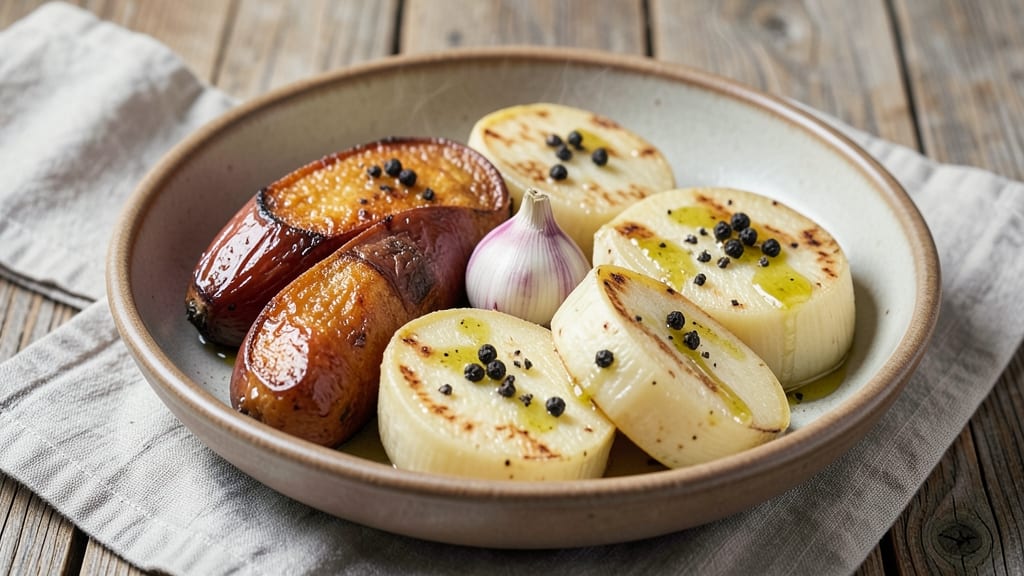
This sweet potato and rutabaga recipe transforms humble root vegetables into a caramelized, savory-sweet side dish that steals the show at any meal. 🌟 The secret lies in roasting them together until their edges turn golden and their centers stay tender—creating a perfect balance of sweetness and earthy depth that pairs beautifully with proteins or stands alone as a vegetarian centerpiece.
What makes this recipe special is its simplicity: just three main ingredients, a single pan, and 30 minutes of hands-off cooking time.
The rutabaga adds a subtle peppery bite that cuts through the sweetness of the sweet potatoes, while a touch of olive oil and salt ensures they develop that irresistible caramelized crust. It’s the kind of dish that feels indulgent without being complicated.
By the time you pull this trio from the oven, you’ll have a platter of glossy, caramelized vegetables with edges that are crisp enough to hold their shape and centers that melt in your mouth.
The natural sweetness of the sweet potatoes shines through, while the rutabaga adds a satisfying texture contrast—creamy yet firm. This is the kind of side dish that turns ordinary meals into memorable ones.
Serve it alongside roasted chicken, grilled fish, or even as part of a hearty vegetarian spread. The recipe scales effortlessly, so you can easily double it for gatherings. Here’s how to make it—simple, foolproof, and packed with flavor.
Ingredients for sweet potato and rutabaga
Three root vegetables and five pantry staples create this restaurant-worthy caramelized side dish.
| Ingredient | Amount | Notes |
|---|---|---|
| Sweet Potatoes 🍠 | 2 lbs | Medium size, unpeeled for texture |
| Rutabagas 🥕 | 2 lbs | Medium size, peeled for even cooking |
| Extra-Virgin Olive Oil 🫒 | ¼ cup | High-quality, fruity variety preferred |
| Kosher Salt 🧂 | 1 ½ tsp | Diamond Crystal preferred for balance |
| Freshly Ground Black Pepper 🌶️ | ½ tsp | Freshly cracked for optimal flavor |
| Garlic Cloves 🧄 | 3 cloves | Minced for aromatic depth |
| Fresh Thyme Leaves 🌿 | ¼ cup | Chopped, or dried at one-third amount |
| Maple Syrup 🍯 | 1 tbsp | Grade B for robust flavor profile |
| Balsamic Vinegar 💧 | 1 tbsp | Aged 25+ months for complexity |
The sweet potatoes and rutabagas are the stars here, so select firm, vibrant specimens with no soft spots. Whole Foods or local farmers markets often carry the freshest varieties, but any well-stocked grocery store will have them. For rutabagas, look for those with a slightly waxy exterior—they'll hold their shape better during roasting. Peeled rutabagas cook more evenly, while leaving sweet potatoes unpeeled adds beautiful texture contrast. Organic produce ensures cleaner flavor without the need for excessive salt later. When prepping, cut them into similar-sized pieces for even cooking—roughly 1.5-inch chunks works perfectly.
No fresh thyme? Dried works at one-third the amount, though the flavor will be subtler. Substituting maple syrup? Agave nectar or date syrup maintains the same sweetness profile. For a tangier finish, apple cider vinegar can replace balsamic. The olive oil should be extra-virgin—anything less will compromise the caramelization. If you're short on time, pre-cut frozen rutabagas work in a pinch, though fresh is ideal. The garlic and pepper can be adjusted to taste—start with the full amount if you love bold flavors, or reduce to 1.5 cloves and 0.25 tsp pepper for a milder profile.
Roasted vegetables keep best at room temperature for up to 2 hours after cooking, but for longer storage, transfer to an airtight container and refrigerate for 4-5 days. They reheat beautifully—just warm in a 350°F oven for 10-15 minutes with a splash of water to restore moisture. For meal prep, portion into individual containers before refrigerating. The caramelized edges soften slightly when reheated, but the overall texture remains impressive. Freezing isn't recommended as it compromises the delicate caramelization, though you can freeze cooked rutabagas separately for up to 3 months if needed.
Why You'll Love This Recipe
- I’ll be real: rutabagas are cheap, and sweet potatoes last forever. This recipe turns two budget-friendly staples into something special without breaking the bank. Plus, leftovers reheat like a dream—just a quick zap in the microwave, and it’s back to that crispy, caramelized glory.
- One-Pan Magic: I swear by this when I’m too tired to wash dishes. Toss the chunks—sweet potatoes and rutabagas—on a sheet pan, drizzle with olive oil, and let the oven do the work. No pots, no pans, just golden, caramelized perfection waiting for you.
- Earthy Sweet Crunch: That first bite? It’s like autumn in your mouth—the sweet potatoes melt into buttery richness while the rutabaga adds a peppery bite. A sprinkle of salt and pepper turns it into something dangerously addictive, and honestly? It’s the kind of flavor that makes you want to eat it straight off the pan.
- Meal Prep MVP: Between us, this is my go-to for lunches all week. Roast a big batch on Sunday, and you’ve got a side that works with grilled chicken, salads, or even scrambled eggs. (Yes, even on a Tuesday night.) The rutabaga stays firm enough to hold up, and the sweet potatoes? They just get better as they sit.
Step-by-step instructions for roasted sweet potato and rutabaga trio
Transform humble root vegetables into a caramelized masterpiece with this precise roasting method.
👨🍳 Step 1: Prep Vegetables for Even Cooking
Preheat your oven to 425°F with racks positioned in the upper and lower thirds for even heat distribution. Peel the 2 lbs rutabagas using a vegetable peeler, cutting them into 1-inch thick wedges. Leave the 2 lbs sweet potatoes unpeeled for texture, but scrub them clean and cut into similar 1-inch thick wedges.
Here's the thing—uniform size ensures even cooking. I use a sharp chef's knife and work in batches to maintain consistency. Arrange the vegetables on two rimmed baking sheets lined with parchment paper, leaving ½-inch between pieces to allow for caramelization. The rutabagas should be placed cut-side down initially to maximize surface area for browning.
🍳 Step 2: Season and Roast Until Tender
In a small bowl, whisk together the 0.25 cup extra-virgin olive oil, 1.5 tsp kosher salt, and 0.5 tsp freshly ground black pepper. Using a pastry brush, generously coat each vegetable piece with this mixture, ensuring the oil penetrates the crevices. This step creates the perfect foundation for caramelization and flavor development.
Transfer the baking sheets to the preheated oven and roast for 25 minutes, flipping the vegetables halfway through at the 12-minute mark. You'll know they're ready when a knife slides in easily and the edges begin to brown. The rutabagas will develop a golden hue while the sweet potatoes take on a deeper caramel color. Don't walk away—this is when the magic happens.
🔥 Step 3: Build the Caramelized Glaze
While the vegetables roast, prepare the glaze by combining the 3 minced garlic cloves, 0.25 cup fresh thyme leaves, 1 tbsp maple syrup, and 1 tbsp balsamic vinegar in a small saucepan. Simmer over medium-low heat for 3-4 minutes until the mixture reduces by half and becomes fragrant. This creates a complex flavor base that will elevate the roasted vegetables.
Real talk: the balsamic vinegar adds depth while the maple syrup provides a subtle sweetness that balances the earthy flavors. Strain the mixture through a fine-mesh sieve to remove any herb bits, then set aside to cool slightly. The glaze should be syrupy but pourable—this consistency ensures it clings beautifully to the vegetables.
🥘 Step 4: Finish with Glaze and Rest
Remove the vegetables from the oven and immediately drizzle the garlic-thyme glaze evenly over each piece, working quickly so the vegetables don't cool completely. Return the baking sheets to the oven and roast for an additional 10-12 minutes until the glaze caramelizes and the vegetables achieve a deep mahogany color. You're looking for that glossy sheen that indicates perfect caramelization.
Once removed from the oven, let the vegetables rest for 5 minutes before serving. This resting period allows the juices to redistribute, ensuring each bite is moist and flavorful. The contrast between the caramelized exterior and tender interior is what makes this dish truly special. Serve immediately while the glaze is still warm and sticky.
Pro Tips For Making Sweet Potato And Rutabaga
- CUT RUTABAGAS EVENLY: Peel those rutabagas first, then slice them exactly ¼-inch thick—no thicker, no thinner. I learned this the hard way: uneven slices mean some parts get mushy while others stay raw. A mandoline makes this faster, but a sharp knife works if you’re patient (and don’t cut your fingers).
- ROAST SWEET POTATOES SEPARATELY: Toss sweet potatoes in olive oil, salt, and pepper, then roast them alone at 425°F for 20 minutes before adding rutabagas. This ensures they caramelize properly instead of steaming under the rutabagas’ weight—trust me, the texture difference is night and day.
- SALT THE RUTABAGAS FIRST: Season rutabaga slices with kosher salt before roasting—let them sit for 10 minutes while you prep the sweet potatoes. This draws out moisture, so they crisp up instead of turning soggy. (Yes, it’s weird, but it works.)
- USE HIGH HEAT FOR CRISP EDGES: Start rutabagas and sweet potatoes on the top rack of the oven at 425°F for the first 15 minutes. The extra heat gets them golden and crispy before you lower the temp to 375°F for the rest of the cooking time—no one wants sad, pale root veggies.
Perfect pairings for this dish
Protein Pairings
This caramelized trio shines alongside grilled chicken breast or herb-roasted turkey. The rutabaga's peppery bite balances the sweetness, while the chicken's savory notes create perfect harmony. For a vegetarian spread, pair with crispy tofu or mushroom Wellington—both stand up to the dish's rich flavors. 🍗
Cheese Complements
Add a sharp cheddar or aged gouda crumble on top for a restaurant-worthy touch. The cheese melts beautifully into the caramelized glaze, adding a creamy contrast. For a lighter option, try feta—its tang cuts through the sweetness. Sprinkle just before serving to keep it fresh.
Dinner Party Elevations
Transform this into a main course by serving it on a platter with warm crusty bread and a balsamic reduction drizzle. The bread soaks up the glaze while the reduction adds another layer of depth.
For a complete meal, add a simple arugula salad with lemon vinaigrette to balance the richness.
Beverage Pairings
Sip on a dry Riesling—its crisp acidity complements the caramelized sweetness. For beer lovers, a Belgian witbier with its citrus notes refreshes the palate. Avoid heavy reds or sweet wines; they'll overpower the dish's natural flavors. A sparkling water with lemon also works perfectly for a lighter option.
Global Variations
For a Mediterranean twist, add kalamata olives and feta to the glaze before serving. In Scandinavian style, swap the maple syrup for cloudberry jam and serve with lingonberry compote. Both versions keep the dish's core flavors while adding cultural flair. 🌍
Meal Prep Upgrades
Prep the vegetables ahead and store them in the fridge for up to 3 days. Reheat in a 350°F oven for 10 minutes with a splash of water, then drizzle with fresh glaze.
For gatherings, assemble the glaze separately and toss with the vegetables just before serving to maintain crispness. This keeps the dish restaurant-quality even when prepped in advance.
Nutrition facts
Frequently asked questions
Can I substitute regular potatoes for sweet potatoes in this recipe?
Not ideal! Sweet potatoes bring natural sweetness and a creamier texture that regular potatoes can't match. If you must substitute, try purple potatoes for color and slightly sweet flavor, but they won't caramelize as beautifully. The rutabaga's peppery bite pairs perfectly with sweet potatoes' sweetness—this combo is what makes the dish special.
How do I know when the rutabagas are fully cooked?
They're done when a knife slides in easily with minimal resistance and the edges turn golden brown. Rutabagas should be tender but not mushy—aim for 25-30 minutes total roasting time at 425°F. Overcooking turns them mealy, while undercooked pieces stay hard and unappetizing. The glaze helps test doneness too—it should stick to the vegetables rather than pool on the pan.
Can I make this recipe ahead of time?
Yes! Prep the vegetables and store them in an airtight container in the fridge for up to 3 days. Reheat in a 350°F oven for 10 minutes with a splash of water, then drizzle with fresh glaze. For best results, assemble the glaze separately and toss it on just before serving to maintain crispy edges. The flavors actually improve overnight as the vegetables absorb the glaze.
What if I don't have balsamic vinegar?
No problem! Use apple cider vinegar or red wine vinegar for tang, or lemon juice for brightness. For sweetness, add an extra ½ teaspoon maple syrup. The key is balancing the sweetness of the sweet potatoes with acidity—just adjust to taste. If you're avoiding vinegar entirely, a splash of orange juice works surprisingly well.
Can I use this as a main dish instead of a side?
Serve this as a hearty vegetarian main with crusty bread and a simple salad for a complete meal. The caramelized glaze adds richness, while the rutabaga's peppery bite keeps it satisfying. For extra protein, top with fried eggs or crumbled feta. This dish holds its own—just double the recipe to ensure generous portions for a main course.