Side Dishes
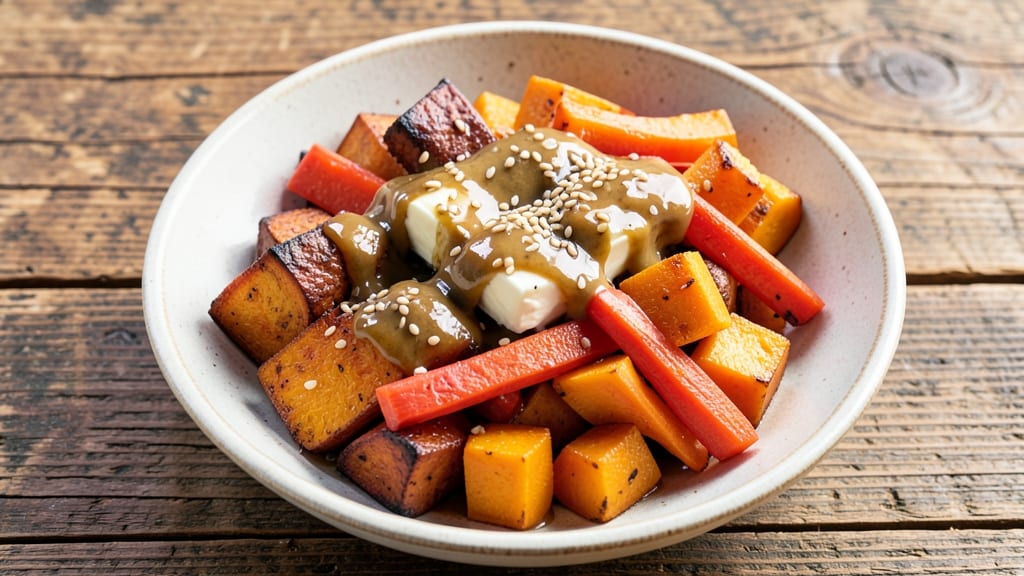
This sweet potato butternut squash carrot recipe transforms humble root vegetables into a spiced roast harmony that steals every meal. The secret lies in roasting them together with aromatic spices—cinnamon, cumin, and smoked paprika—that caramelize into a deeply flavorful, naturally sweet glaze.
Unlike separate sides, this one-pan method ensures perfectly tender vegetables with crispy edges, all while keeping prep simple and cleanup minimal.
What makes this recipe special is its balanced sweetness and earthy depth, achieved through careful spice blending and a touch of maple glaze that ties everything together.
The sweet potatoes develop a tender, almost custard-like texture, while the butternut squash and carrots stay firm yet caramelized, creating a satisfying bite. This dish isn’t just a side—it’s a complete, hearty meal that pairs beautifully with grilled proteins or stands alone as a satisfying vegetarian centerpiece.
The magic happens in the one-pan roasting process, where the vegetables cook slowly enough to develop rich flavors but quickly enough to maintain texture. A drizzle of tahini or maple glaze at the end adds a luxurious finish, elevating this dish from simple side to restaurant-worthy centerpiece.
The spices infuse the vegetables deeply, ensuring every bite is packed with warmth and complexity.
Serve this spiced roast harmony with a sprinkle of fresh herbs or toasted nuts for added texture, and drizzle extra glaze for a glossy, appetizing finish. It’s the kind of dish that feels elevated yet approachable, perfect for weeknight dinners or holiday tables.
Ready in 45 minutes with minimal effort, this recipe proves that flavor and simplicity can coexist beautifully.
Ingredients for sweet potato butternut squash carrot
Roasting transforms these humble vegetables into a spiced harmony of tender sweetness and earthy depth.
| Ingredient | Amount | Notes |
|---|---|---|
| Sweet Potatoes 🍠 | 1 ½ lb | Medium size, peeled and cubed |
| Butternut Squash 🎃 | 1 ½ lb | Peeled, seeded, cubed |
| Carrots 🥕 | 1 ½ lb | Whole, scrubbed, cut into sticks |
| Extra-Virgin Olive Oil 🫒 | ½ cup | For roasting and glazing |
| Maple Syrup 🍯 | 2 tbsp | Grade B for richer flavor |
| Tahini 🥜 | 2 tbsp | For creamy glaze finish |
| Ground Cumin 🌿 | 1 tsp | Toasted for deeper aroma |
| Smoked Paprika 🌶️ | 1 tsp | For smoky depth |
| Ground Cinnamon 🌿 | ½ tsp | Warm, aromatic touch |
| Sea Salt 🧂 | 1 tsp | Diamond Crystal preferred |
| Black Pepper 🌶️ | ½ tsp | Freshly ground |
| Fresh Thyme Leaves 🌿 | ¼ cup | Chopped, for garnish |
| Toasted Pecans 🌰 | ¼ cup | Chopped, for texture |
| Lemon Juice 🍋 | 1 tbsp | Freshly squeezed |
The vegetables form the heart of this dish, so prioritize quality. Organic sweet potatoes from Whole Foods or local farmers markets ensure vibrant color and sweetness. For butternut squash, look for firm, heavy specimens with smooth skin—Costco or Trader Joe's carry excellent pre-cut options for convenience. Carrots should be crisp with bright orange hue; organic varieties from the produce section avoid wax coatings. The spices are non-negotiable: Penzeys Spices offers toasted cumin and premium smoked paprika that elevate the dish. Pre-toast your cumin seeds in a dry pan for 30 seconds to deepen their flavor—trust me on this.
No maple syrup? Agave nectar or date syrup work as 1:1 substitutes, though maple's caramel notes are ideal. Tahini shortages? Cashew butter thinned with water mimics the creamy texture. Fresh thyme unavailable? Dried thyme at one-third the amount suffices, though fresh leaves add delicate perfume. The pecans can be swapped for walnuts or almonds, but toast them first to enhance their nuttiness. For extra richness, add a splash of vegan coconut cream to the glaze mixture—it balances the sweetness beautifully. The lemon juice brightens everything, so don't skip it, even if you're not a fan of citrus notes.
Store leftovers in airtight containers for 4-5 days, though they reheat best when warmed gently in a skillet with a splash of water. For longer storage, freeze portions for up to 3 months—they thaw beautifully when reheated. I portion mine into individual containers for easy grab-and-go lunches. The roasted vegetables keep their texture remarkably well when reheated, making this an excellent make-ahead dish for busy weeknights. Garnish with extra herbs and pecans before serving to maintain that restaurant-quality presentation.
Why You'll Love This Recipe
- One-Pan Magic: I swear by this trick—toss everything on a single sheet pan, roast, and walk away. The sweet potatoes caramelize while the squash gets tender, and those carrots? They turn into little golden nuggets with zero fuss.
- Maple-Glazed Sweetness: That drizzle of maple syrup isn’t just sweet—it’s the secret weapon. It balances the earthy squash and deep sweetness of the potatoes, giving it this dangerously good caramelized finish that makes it hard to stop eating.
- Meal Prep MVP: Between us, this is my go-to for lunches all week. Roast a big batch on Sunday, portion it out, and reheat it—still tastes fresh. Honestly, it’s the only side dish I don’t dread pulling from the fridge.
- Pantry-Friendly Budget Win: Sweet potatoes and squash are cheap, and they stretch forever. A single roast pan gives me three meals, and I’m not even kidding—my grocery bill thanks me every time I make this. Plus, olive oil and maple syrup? Worth every penny.
Step-by-step instructions for roasted sweet potato butternut squash carrots
Master this one-pan technique for perfectly caramelized vegetables with deep spice harmony.
Prep and Season the Vegetables
In a large mixing bowl, combine the 1.5 lb peeled and cubed sweet potatoes, 1.5 lb peeled and cubed butternut squash, and 1.5 lb scrubbed carrot sticks. This uniform size ensures even cooking. In a separate small bowl, whisk together 0.5 cup extra-virgin olive oil, 2 tbsp maple syrup, 2 tbsp tahini, 1 tsp ground cumin, 1 tsp smoked paprika, 0.5 tsp ground cinnamon, 1 tsp sea salt, and 0.5 tsp black pepper. Pour this mixture over the vegetables and toss gently but thoroughly with your hands to ensure even coating.
Here's the thing—don't rush the tossing. Each piece should be fully enrobed in the spiced oil mixture. The tahini adds a subtle creaminess while the maple syrup promises caramelization. Let the seasoned vegetables rest at room temperature for 15 minutes while you preheat your oven to 400°F. This resting period allows the flavors to meld and the vegetables to begin absorbing the seasoning.
Roast Until Caramelized
Spread the seasoned vegetables in a single layer on a large, rimmed baking sheet lined with parchment paper. Arrange them with space between each piece—they'll expand as they roast. Slide the sheet into the preheated oven and roast for 25 minutes, stirring once halfway through to promote even browning. You're aiming for tender vegetables with caramelized edges that develop a deep golden hue.
After 25 minutes, check for doneness by piercing a sweet potato cube with a fork—it should slide in easily with slight resistance. If the vegetables aren't quite tender enough, continue roasting for another 5-10 minutes until they reach your preferred texture. The butternut squash and carrots should yield slightly to pressure, indicating perfect tenderness. This is where patience pays off—rushing leads to undercooked centers.
Finish with Thyme and Pecans
Remove the roasted vegetables from the oven and transfer them to a serving platter. Immediately sprinkle with 0.25 cup chopped fresh thyme leaves and 0.25 cup chopped toasted pecans, then drizzle with 1 tbsp freshly squeezed lemon juice. The thyme adds a bright herbal note that cuts through the richness, while the pecans contribute satisfying crunch. The lemon juice brightens the entire dish, balancing the sweet and spiced flavors.
Toss everything gently but thoroughly with a large spatula, ensuring each piece gets a share of the thyme, pecans, and lemon. Here's the critical moment: let the vegetables rest for 5 minutes before serving. This brief pause allows the juices to redistribute, preventing them from escaping when you cut into the roasted medley. The result should be vegetables that are tender yet hold their shape, with a glossy sheen from the caramelized glaze.
Serve Immediately for Maximum Impact
Divide the roasted vegetables among serving plates, ensuring each portion contains a balance of sweet potatoes, butternut squash, and carrots. The visual contrast of their colors—deep orange, golden yellow, and vibrant carrot—makes this dish as appealing to the eyes as it is to the palate. Serve while still warm to preserve the caramelized edges and vibrant flavors.
This one-pan technique delivers restaurant-quality results with minimal effort. The combination of roasted vegetables, warm spices, and nutty crunch creates a harmonious balance of textures and flavors. Each bite should offer tender sweetness, subtle heat from the spices, and a satisfying crunch from the pecans. For an even richer experience, consider pairing with a dollop of Greek yogurt or a sprinkle of feta cheese.
Pro Tips For Making Sweet Potato Butternut Squash Carrot
- CUT SQUASH IN EVEN SLICES: I learned this the hard way—uneven butternut squash pieces roast at wildly different speeds. Aim for ½-inch thick half-moons (skin on) so they crisp without turning to mush in the middle. No food processor? A sharp chef’s knife and steady hand work just fine—just don’t rush it.
- SALT THE CARROTS FIRST: Sweet potatoes and squash soak up salt like sponges, but carrots? They’ll stay bland if you wait. Toss them in a bowl with ½ teaspoon salt and 1 tablespoon olive oil before adding to the pan. This jumpstarts flavor and keeps them from tasting like wallpaper.
- DON’T OVERCROWD THE PAN: I used to cram everything in one sheet pan, thinking it’d cook faster. Wrong. Overcrowding steams the veggies instead of browning them. Spread them in a single layer—even if it means two pans—and let that olive oil work its magic. Your roasted carrots will thank you.
- MAPLE SYRPUP LATE: Adding maple syrup too early turns your pan into a sticky mess that burns before the veggies soften. Toss the roasted mixture with the syrup only in the last 5 minutes of cooking. This keeps the edges caramelized and the sweetness bright, not bitter. (Yes, even if you’re impatient like me.)
Troubleshooting this recipe
Uneven Cooking Fix
If your vegetables emerge undercooked in the center or over-browned on the edges, the issue is likely crowding or uneven heat distribution. Spread the vegetables in a single layer with at least ½ inch between each piece to ensure proper airflow.
Use a half-sheet pan (18x13 inches) for better heat circulation, and rotate the pan halfway through roasting for even browning. I’ve found that parchment paper (not foil) helps prevent sticking while allowing steam to escape. 🔥
Sticky or Burnt Edges
Sticky or burnt edges happen when the vegetables release too much moisture or the oven runs hot. Line your pan with parchment paper and avoid overcrowding—this prevents steam buildup. If using a glass baking dish, reduce the oven temperature to 375°F and roast for 5-10 minutes longer.
For extra insurance, toss the vegetables with an additional 1 tsp of olive oil before roasting to create a protective barrier. 🌡️
Vegetables Too Dry
Roasting can dry out vegetables, especially sweet potatoes and squash. To combat this, add 2 tbsp of water or broth to the pan before roasting, or cover the pan loosely with foil for the first 20 minutes to trap moisture.
I also recommend not over-roasting—pull the dish when the sweet potatoes are just tender (fork-tender) and the squash yields slightly. Overcooking turns them mushy and loses their natural sweetness. ✨
Spices Too Overpowering
If the spices dominate the natural sweetness of the vegetables, reduce the smoked paprika to ½ tsp and add 1 tsp of honey or agave to balance the heat. For a milder flavor, use sweet paprika instead of smoked.
Taste the spice mixture before tossing it with the vegetables—this ensures the spices complement rather than overpower. A pinch of salt after roasting can also help round out the flavors. 💡
Glaze Not Sticking
The tahini-maple glaze should coat the vegetables evenly, but if it pools at the bottom, the issue is likely under-seasoning or insufficient tossing. Whisk the glaze ingredients thoroughly before tossing, and coat each piece completely—don’t be shy with the oil.
If the glaze still won’t stick, broil the vegetables for 1-2 minutes at the end to caramelize the glaze. For extra shine, drizzle with 1 tsp of maple syrup after roasting. 🍯
Sweet Potatoes Too Soft
Sweet potatoes can turn mushy if roasted too long or at too high a temperature. To maintain their texture, cut them into 1-inch cubes (not smaller) and roast at 375°F instead of 400°F. Check for doneness at 20 minutes—they should be tender but still hold their shape.
If they’re already too soft, mash them slightly and serve as a side dish with a dollop of Greek yogurt or tahini. 🥔
Nutrition facts
Frequently asked questions
Can I make this recipe without tahini?
Swap the tahini for 2 tbsp cashew butter or 1 tbsp coconut cream for a similar creamy texture. If you prefer a lighter option, use 1 tbsp maple syrup plus 1 tbsp olive oil to maintain moisture and richness. The dish will still taste delicious—just slightly less nutty.
How can I adjust this for a spicier kick?
Boost the heat by adding ½ tsp cayenne pepper or 1 tsp chili flakes to the spice mix. For smoky depth, increase the smoked paprika to 1.5 tsp. If you love bold flavors, try a pinch of ground chipotle powder—it adds warmth without overpowering. Balance with extra maple syrup if needed.
Can I prep this ahead of time for meal prep?
Yes! Roast the vegetables as directed, then store them in airtight containers for 4-5 days in the fridge. Reheat gently in a skillet with 1 tsp olive oil and a splash of water for 3-5 minutes to restore crispness. For freezing, portion into single servings—this keeps them tender when reheated. Add fresh thyme and pecans just before serving.
What’s the best way to serve this dish?
This spiced roast harmony works beautifully as a vegan main dish with a side of quinoa or couscous. For protein pairings, try grilled tofu, chickpeas, or a simple lentil salad. The dish also shines as a holiday side—its warm spices complement roasted meats or stuffing. Garnish with extra pecans and a drizzle of tahini for an elegant finish.
Why do my carrots stay crunchy while the sweet potatoes get mushy?
Carrots have a higher water content and tougher skin, so they naturally stay firmer. To balance textures, cut carrots into slightly thicker sticks (½-inch) and roast at 375°F instead of 400°F. For extra tenderness, add 5 minutes to the roasting time but check frequently. The sweet potatoes will soften first—remove them when tender and keep the carrots in for 5-10 more minutes.