
Side Dishes
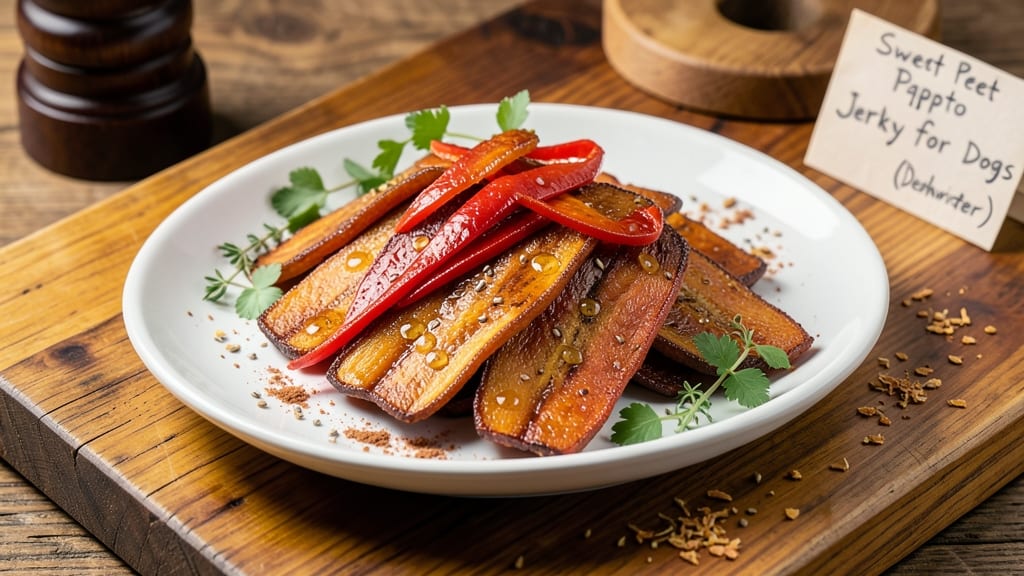
Sweet potato jerky for dogs offers a healthy, protein-packed treat that your pup will love—especially when made in a dehydrator for perfect texture and safety.
This recipe transforms simple sweet potatoes into chewy, nutrient-rich snacks that are free from harmful additives like salt or sugar, perfect for dogs of all sizes. The dehydrator method ensures even drying and preserves the natural sweetness of the sweet potatoes while creating a treat that's both satisfying and wholesome.
What makes this recipe stand out is its simplicity and health benefits. Sweet potatoes are rich in fiber, vitamins A and C, and beta-carotene, making them an excellent choice for your dog's diet.
The dehydrator process removes moisture without cooking out the nutrients, leaving you with a treat that's both tasty and nutritious. Plus, it's a great way to use up sweet potatoes that might otherwise go to waste.
By the end of this process, you'll have a batch of chewy, flavorful jerky that's perfect for training rewards, long car rides, or just as a special snack.
The treats are easy to store and can last for weeks in an airtight container, making them a convenient option for any dog owner. Whether you're looking for a healthier alternative to store-bought treats or a fun project to do with your furry friend, this recipe delivers.
The beauty of this recipe lies in its versatility. You can adjust the thickness of the slices to control the drying time, and the treats can be cut into various shapes for added fun.
Just be sure to avoid any seasonings that aren't dog-safe, and always supervise your dog the first time they try a new treat. Let's get started on creating these wholesome snacks for your pup!
Ingredients for sweet potato jerky for dogs recipe dehydrator
Eight wholesome ingredients transform sweet potatoes into irresistible, protein-packed dog treats.
| Ingredient | Amount | Notes |
|---|---|---|
| Sweet Potatoes 🍠 | 2 lbs | Organic preferred, skin-on |
| Unsweetened Applesauce 🍎 | ¼ cup | For added moisture and binding |
| Coconut Oil 🥥 | 2 tbsp | Unrefined, for healthy fats |
| Ground Flaxseed 🌾 | 1 tbsp | For omega-3 boost |
| Turmeric Powder 🌿 | ½ tsp | Anti-inflammatory benefits |
| Cinnamon 🌶️ | ¼ tsp | Dog-safe flavor enhancer |
| Dog-Safe Vanilla Extract 🍦 | ½ tsp | Pure, alcohol-free |
| Filtered Water 💧 | ¼ cup | For mixing consistency |
Sweet potatoes are the star here—organic is ideal (fewer pesticides), but regular works too. Look for firm, vibrant orange ones with no soft spots. Costco or local farmers markets usually have the best selection. The skin-on variety adds fiber, but you can peel if your pup prefers smoother texture. Pro tip: bake a whole sweet potato first to soften it—slicing is easier after baking. If you're using store-bought, check the label for any added sugars or preservatives (none should be present).
No applesauce? Pumpkin puree (unsweetened, no spices) works perfectly—same moisture benefits. Coconut oil substitutes? Olive oil or avocado oil in the same amount, but coconut has that extra dog-friendly fat profile. Want extra protein? Mix in 1 tbsp unsweetened peanut butter (xylitol-free). The flaxseed is non-negotiable—it's the omega-3 powerhouse here. For vanilla, alcohol-free, pure extract only—regular vanilla contains alcohol which isn't dog-safe. All spices must be dog-safe—no nutmeg, cloves, or garlic powder.
Store your treats in an airtight container with parchment paper between layers to prevent sticking. Keeps for 3-4 weeks at room temperature or up to 3 months in the freezer. For extra shelf life, portion into small bags with silica packets. These treats are perfect for training sessions—just tear off a piece! Always introduce new treats gradually to avoid upsetting your pup's stomach. The dehydrator time varies by thickness: 1/4-inch slices take 6-8 hours at 160°F. Thinner slices dry faster but may crumble more.
Why You'll Love This Recipe
- No-Fuss Prep: I’ll be real—this takes less effort than making a sandwich. Just toss shredded sweet potatoes with applesauce and coconut oil, spread it thin, and let the dehydrator do the work. No boiling, no baking, no mess.
- Dog-Approved Magic: That golden, chewy texture with a hint of sweetness? My pup goes nuts for it. The turmeric adds a subtle earthiness (and anti-inflammatory perks), while the flaxseed gives it that irresistible crunch.
- Pantry-to-Pouch Ready: I keep a stash in my car for road trips and in my gym bag for training days. It’s lightweight, shelf-stable, and way better than store-bought jerky—no weird additives, just wholesome ingredients your dog will actually eat.
- Budget Stretch: Sweet potatoes and applesauce are cheap staples, and a single batch lasts my two dogs for weeks. I’ve even swapped the coconut oil for olive oil when needed—no guilt, just savings. (Yes, even on a Tuesday night.)
Step-by-step instructions for sweet potato jerky for dogs
Transforming these wholesome ingredients into chewy, nutritious treats is easier than you think!
Cook the Sweet Potatoes Until Fork-Tender
Preheat your oven to 400°F. Pierce the 2 lbs sweet potatoes with a fork in several places to allow steam to escape. Place them on a baking sheet and bake for 45-50 minutes until they're soft enough to pierce easily with a fork. You'll know they're done when the edges begin to caramelize slightly and the flesh feels tender when pressed.
Let the sweet potatoes cool completely before handling. This cooling step is crucial—it prevents the applesauce mixture from turning into a sticky mess when combined. Once cool, peel off the skins (if using organic sweet potatoes) and transfer the flesh to a food processor. The texture should be smooth and mashable, almost like mashed potatoes.
Mix the Sweet Potato Base with Binders
In the food processor, add the cooled sweet potatoes along with the 0.25 cup unsweetened applesauce, 2 tbsp coconut oil, 0.25 cup filtered water, and 1 tbsp ground flaxseed. Pulse until everything is completely blended and smooth. This mixture should be thick but still spreadable—almost like a thick batter.
If the mixture feels too dry, add 1 teaspoon more filtered water at a time until it reaches the perfect consistency. You're aiming for a dough that holds together when pressed between your fingers but isn't too sticky to work with. The applesauce and flaxseed work together to create a perfect binding agent that will hold the jerky together during dehydration.
Add Seasonings for Flavor and Health Benefits
Transfer the sweet potato mixture to a large mixing bowl. Stir in the 0.5 tsp turmeric powder, 0.25 tsp cinnamon, and 0.5 tsp dog-safe vanilla extract until completely combined. The turmeric will give your jerky an earthy flavor and beautiful golden color, while the cinnamon adds a warm, dog-friendly sweetness. The vanilla extract enhances these flavors without being overpowering.
Taste a small amount yourself (if you're comfortable doing so) to ensure the seasoning is balanced. You want flavors that are appealing to dogs but not so strong that they'd be unpleasant. The mixture should smell warm and inviting—like a cozy autumn spice blend. If it smells too strong, you can reduce the cinnamon slightly next time.
Roll Out the Sweet Potato Dough
Lightly grease a clean work surface with coconut oil. Transfer the seasoned sweet potato mixture to the surface and divide it into four equal portions (about ½ lb each). Using your hands, gently roll each portion into a long, thin rectangle about ¼-inch thick. The thinner you roll it, the quicker it will dehydrate and the more chewy the final jerky will be.
If the dough feels too sticky to handle, wet your hands slightly with water to prevent sticking. Aim for even thickness throughout—this ensures all pieces dehydrate at the same rate. Once rolled, use a sharp knife to cut each rectangle into ½-inch wide strips. Arrange these strips on dehydrator trays, leaving about ¼-inch between each piece to allow proper air circulation.
Dehydrate Until Leathery and Dry
Set your dehydrator to 160°F and place the trays inside. Dehydrate for 6-8 hours, checking the jerky after 4 hours. You're looking for strips that are completely dry to the touch but still pliable—like a firm, chewy leather. They should bend slightly without breaking and have no moisture visible on the surface.
If your dehydrator runs hot, you might need to reduce the temperature to 150°F to prevent burning. The jerky is done when it's light enough to lift easily from the tray without sticking. Let the jerky cool completely before storing in an airtight container. These treats will keep for up to 2 weeks in the refrigerator or 1 month in the freezer.
Pro Tips For Making Sweet Potato Jerky For Dogs Recipe Dehydrator
- Slice Thin, Stack Tight: I learned this the hard way—sweet potatoes shrink a lot when dehydrated. Cut them ⅛-inch thick (not ¼-inch), and overlap slices on the dehydrator trays like shingles. This prevents gaps where heat escapes and ensures even drying without sticking.
- Blend Applesauce Smooth: Lumpy applesauce = uneven texture. Pulse it in a food processor until it’s completely smooth before mixing. That way, it coats the sweet potato evenly, binds the flaxseed properly, and keeps the jerky from crumbling when your dog goes for the first bite.
- Preheat Dehydrator to 135°F: Start hot, finish slow. Preheat your dehydrator to 135°F (not the low setting) for the first 30 minutes to drive off surface moisture fast. Then drop to 125°F—this prevents mold and guarantees a chewy, not gummy, result.
- Mix Flaxseed Last: Add ground flaxseed right before dehydrating. It oxidizes quickly, turning bitter if left sitting in coconut oil too long. Stir it in just as you spread the mixture on the trays—your dog’s jerky will taste fresher, and the omega-3s stay potent.
Troubleshooting great sweet potato jerky for dogs recipe dehydrator
Sticky Dough Fix
If your sweet potato mixture is too sticky to handle, add 1 tbsp more ground flaxseed or 1 tsp cornstarch (dog-safe) to absorb excess moisture. For hands that won't stop sticking, try lightly dusting your work surface with dog-safe cornstarch instead of coconut oil.
I've found that chilling the dough for 15-20 minutes in the fridge also helps firm it up before rolling. 🥥
Uneven Drying
Uneven dehydration happens when slices aren't uniform or airflow is blocked. Cut all strips to exactly ¼-inch thickness using a mandoline for precision. Arrange them in a single layer with ¼-inch gaps between pieces for proper circulation.
If your dehydrator has hot spots, rotate trays halfway through drying. I use a Nesco FD-75A dehydrator and find rotating trays every 2 hours prevents uneven drying. 🌡️
Burnt Edges
Burnt edges mean your dehydrator is too hot. Lower the temperature to 150°F and check after 5 hours instead of 6-8 hours. For extra insurance, place a damp paper towel on the bottom tray to increase humidity slightly.
If you notice browning after 3 hours, reduce temperature to 145°F and monitor closely. 🔥
Crumbling Texture
Crumbling usually means the mixture was too dry or slices were too thin. Aim for ¼-inch thickness and ensure your dough contains 25-30% moisture (it should hold together when pressed but not be sticky).
For extra binding, add 1 tbsp unsweetened applesauce if needed. I've found that rolling slightly thicker (⅛-inch wider) prevents crumbling in high-humidity environments. 💪
Storage Issues
If jerky develops mold or soft spots, it's past its prime. Store treats in an airtight container with silica gel packets to absorb moisture. For longer shelf life, freeze in quart-sized freezer bags with all air removed.
Label with dates—jerky lasts 3 months frozen but only 2 weeks refrigerated. I keep a small batch in the fridge for quick training rewards and freeze extras. ❄️
Nutrition facts
Frequently asked questions
Can I use regular potatoes instead of sweet potatoes?
Regular potatoes won't work well for this recipe. Sweet potatoes have a natural sweetness and higher vitamin content that makes them perfect for dehydrated treats. Plus, they hold their shape better during dehydration. If you're looking for variety, try butternut squash instead—it works beautifully with the same binding ingredients!
How do I know when the jerky is fully dehydrated?
The jerky is done when it's completely dry to the touch but still pliable—like firm leather. It should bend slightly without breaking and have no visible moisture. Test by lifting a piece: if it doesn't stick to the tray, it's ready. For extra safety, check after 4 hours and continue until completely dry.
Is this recipe safe for puppies?
Yes, but introduce it gradually to avoid stomach upset. Sweet potatoes are gentle on puppy digestive systems, but always start with small amounts. Avoid adding any extra seasonings beyond what's listed—stick to the cinnamon, turmeric, and vanilla only. For very young puppies, cut the jerky into tiny pieces to prevent choking.
Can I make this without a dehydrator?
Use a low oven setting (175°F) with the door slightly open for airflow. Place strips on a wire rack over a baking sheet and bake for 4-6 hours, checking frequently. For even drying, flip strips halfway. A well-ventilated area with a fan can also work for 12-24 hours, though results may vary.
Why does my jerky turn out too hard?
Over-dehydration or too-thin slices cause hardness. Aim for ¼-inch thickness and check after 6 hours. If using a dehydrator, reduce temperature to 150°F and add 1 tsp more applesauce to the mixture for extra moisture. For extra chewiness, store in an airtight container with a slice of bread to absorb excess dryness.