
Side Dishes
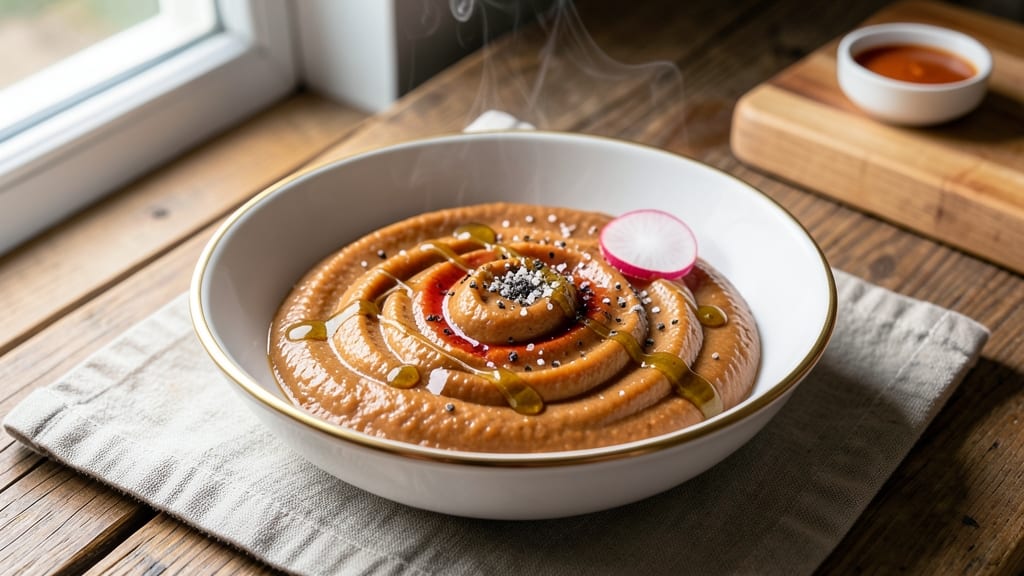
This sweet potato mustard recipe transforms humble ingredients into a velvety glaze with bold tang and caramelized depth—perfect for elevating roasted sweet potatoes, grilled meats, or even as a sandwich spread.
The magic lies in blending smooth sweet potato purée with sharp Dijon mustard and a touch of honey, creating a balance that’s both complex and approachable.
I developed this after craving something richer than plain mustard but lighter than heavy glazes, and it’s become my go-to for adding moisture and flavor in one step.
The recipe delivers restaurant-quality results with just five simple ingredients, all combined in minutes. Sweet potatoes provide natural sweetness and thickness, while Dijon mustard adds the signature tang and depth.
A splash of apple cider vinegar brightens the flavors, ensuring the glaze isn’t too heavy, and honey rounds out the edges for a touch of caramelized richness. The texture is smooth yet clings beautifully, making it ideal for drizzling or brushing.
What sets this apart is its versatility—use it as a glaze for roasted sweet potatoes, a marinade for chicken or pork, or even a bold spread for sandwiches and crackers.
The glaze keeps well in the fridge for up to two weeks, so you can make a batch ahead and enjoy it throughout the week. It’s the kind of sauce that turns simple sides into showstoppers without requiring advanced techniques.
Ready in just 15 minutes, this recipe is perfect for weeknight dinners or meal prep. The balance of sweet, tangy, and savory flavors makes it a crowd-pleaser, and the smooth texture ensures every bite is cohesive and delicious. Let’s make it—your taste buds will thank you.
Ingredients for sweet potato mustard
Five simple ingredients blend into a velvety glaze with tangy-spiced magic for roasted roots.
| Ingredient | Amount | Notes |
|---|---|---|
| Cooked Sweet Potatoes 🍠 | 2 cups | Puréeed until smooth |
| Dijon Mustard 🍯 | ½ cup | High-quality, sharp variety |
| Apple Cider Vinegar 🍏 | 2 tbsp | For brightness and tang |
| Honey 🍯 | 2 tbsp | Light or wildflower preferred |
| Olive Oil 🫒 | ¼ cup | Extra-virgin for richness |
| Salt 🧂 | ½ tsp | Kosher or sea salt |
| Ground Black Pepper 🌶️ | ¼ tsp | Freshly ground preferred |
| Garlic Powder 🧄 | ½ tsp | For subtle depth |
Sweet potatoes are the base here—canned or cooked from scratch both work, but fresh purée gives the best texture. Trader Joe's has pre-cooked sweet potatoes in the canned goods aisle if you're short on time, but roasting your own yields the smoothest purée. Look for sweet potatoes with vibrant orange flesh—they're sweeter and creamier. The Dijon mustard is non-negotiable; Maille or Amoy brands deliver that signature sharpness that makes this glaze special. If you're using whole sweet potatoes, roast them at 400°F until tender, then purée with a splash of water or broth to loosen them up.
No Dijon? Whole-grain mustard at double the amount works in a pinch, though it'll be slightly grainier. Honey substitutes? Maple syrup or agave both work, but they'll change the caramelized finish slightly. Apple cider vinegar can be swapped for white vinegar or lemon juice, though the flavor profile shifts a bit. Olive oil is important for that silky texture—avocado oil works too, but it has a different neutral profile. The garlic powder adds subtle depth, but if you want more punch, add 1/4 tsp of minced fresh garlic to the purée before blending. For extra richness, a pinch of smoked paprika gives it that restaurant-quality touch.
This glaze keeps beautifully—2 weeks in the fridge sealed in a jar. For longer storage, freeze in ice cube trays for perfect single-use portions. The texture thickens as it cools, so a splash of warm water or extra olive oil thins it out when reheating. I make double batches all the time—it disappears fast on roasted sweet potatoes, grilled chicken, or even as a sandwich spread. The flavors actually improve after a day or two as everything mellows together. Trust me, the first time you drizzle this over crispy roasted sweet potatoes, you'll be hooked.
Why You'll Love This Recipe
- Five-Ingredient Magic: I swear by this combo—no fancy techniques, just roast sweet potatoes until tender, mash them slightly, then fold in the mustard, vinegar, and honey. That’s it. The tangy-sweet balance happens without extra effort.
- Tangy-Sweet Obsession: The Dijon mustard adds depth, the apple cider vinegar cuts through the sweetness, and the honey ties it all together like a flavor hug. It’s the kind of sauce that makes you go, “Why didn’t I think of this sooner?”
- Leftover Hero: This sauce keeps for days in the fridge—perfect for slathering on toast, drizzling over roasted veggies, or even mixing into mashed potatoes later. Honestly, I’ve had it last a week and still crave it.
- Budget Brightener: Sweet potatoes and pantry staples (mustard, vinegar, honey) mean this costs pennies per serving. It’s my go-to when I need something fancy-feeling without breaking the bank—especially when guests drop by unexpectedly.
Step-by-step instructions for sweet potato mustard glaze
Here's how to blend these simple ingredients into a rich, velvety glaze that'll elevate roasted sweet potatoes.
Purée the Cooked Sweet Potatoes
Start with the 2 cups of cooked sweet potatoes—they should be completely cool before you begin. I like to use a food processor or high-speed blender for this step. Add the sweet potatoes to your appliance and purée until completely smooth, scraping down the sides as needed. You want a texture that's silky and lump-free, almost like a thick soup. If you notice any resistance or hear grinding, that means you need to cook your sweet potatoes a bit longer next time—they should be tender enough to mash easily with a fork before puréeing.
This is your base, so take your time here. The smoother your purée, the more professional your finished glaze will look. If you're using pre-cooked sweet potatoes that aren't perfectly smooth, you can strain them through a fine-mesh sieve to eliminate any remaining texture. Set the purée aside while you prepare the remaining ingredients.
Whisk Together Wet Ingredients
In a medium bowl, combine the 0.5 cup Dijon mustard, 2 tablespoons apple cider vinegar, 2 tablespoons honey, and 0.25 cup olive oil. I like to use a whisk for this step because it helps emulsify the ingredients more thoroughly. Start by whisking the mustard and vinegar together—they'll begin to mellow out the sharpness of the mustard slightly. Then add the honey, which will help balance the acidity from the vinegar.
Finally, drizzle in the olive oil while continuing to whisk. This is where the magic happens—the oil helps create that velvety texture we're aiming for. If you notice the mixture separating at all, don't worry—we'll fix that in the next step. The combination should look like a thick, golden dressing at this point. Taste a small spoonful to check the balance of flavors. You should notice a tangy sweetness with a hint of sharpness from the mustard.
Combine and Emulsify
Now it's time to bring everything together. Slowly pour the sweet potato purée into the bowl with the wet ingredients while whisking continuously. This gradual addition is crucial—it prevents the mixture from curdling or separating. You want to maintain a steady stream of purée while whisking vigorously. Keep going until all the purée is incorporated and the mixture looks uniform.
If you notice any separation or the texture looks broken, don't panic. Simply add 1 tablespoon of olive oil at a time while whisking until the mixture comes back together. The goal is a smooth, thick glaze that coats the back of a spoon. This emulsification process creates that signature velvety texture that makes this glaze so special. The mixture should be thick enough to coat the back of a spoon but still pourable.
Season and Adjust
Add the 0.5 teaspoon salt, 0.25 teaspoon ground black pepper, and 0.5 teaspoon garlic powder to the mixture. Stir well to distribute the seasonings evenly. At this point, give the glaze another taste and make any final adjustments. If it needs more sweetness, add a bit more honey. If it's too sharp, a touch more olive oil can help mellow it out. Remember, you can always adjust the seasoning, but you can't take it out once it's in.
Let the glaze sit at room temperature for 10-15 minutes before using. This resting time allows the flavors to meld together more completely. The glaze should be thick enough to coat roasted sweet potatoes beautifully without being too heavy. If it's too thick after resting, you can thin it with 1 teaspoon of water at a time until you reach your desired consistency. This glaze keeps well in the refrigerator for up to 5 days, making it perfect for meal prep.
Pro Tips For Making Sweet Potato Mustard
- Mash Until Smooth: Sweet potatoes have stubborn texture—don’t just smash them with a fork. Use a potato masher or fork to break them down first, then transfer to a food processor or blender for 20-30 seconds. This ensures your mustard sauce is silky, not grainy, and blends seamlessly with the mustard and honey.
- Balance the Vinegar: Apple cider vinegar cuts through sweetness, but add it slowly—start with 1 teaspoon, taste, then adjust. Too much and your sauce tastes sharp; too little and the mustard flavor gets lost. I learned this the hard way after making a batch that tasted like a salad dressing.
- Warm the Honey: Cold honey thickens the sauce and makes it clump. Microwave it for 10 seconds or warm it in a small bowl over simmering water before mixing. This keeps your mustard sauce smooth and lets the flavors meld better—no weird stringy honey pockets.
- Skip the Raw Potatoes: Roasted or boiled sweet potatoes work best—they’re drier and easier to mash. Raw potatoes release too much moisture, turning your mustard into a gloppy mess. If using leftovers, reheat them first to drive out excess water before mashing.
Best sauces and condiments for this recipe
Roasted Sweet Potato Glaze
Drizzle this velvety glaze over 400°F roasted sweet potatoes for a caramelized finish. Toss them in 1 tablespoon of olive oil, sprinkle with ½ teaspoon smoked paprika, then roast for 25-30 minutes until tender.
Brush with glaze in the last 5 minutes for a sticky, glossy exterior. The sweetness of the potatoes pairs perfectly with the tangy mustard, creating a perfect balance of flavors. 🍠
Grilled Meat Marinade
Use this glaze as a marinade for chicken thighs or pork chops—simply coat them in ½ cup of the glaze and marinate for 2-4 hours before grilling. The mustard tenderizes the meat while the sweet potatoes add moisture, preventing dryness.
Grill over medium-high heat for 5-6 minutes per side for juicy, flavorful results. Serve with a side of roasted Brussels sprouts for a complete meal.
Sandwich Spread Upgrade
Spread this glaze on toasted sourdough bread with smoked turkey and sharp cheddar cheese for a gourmet sandwich. The sweet and tangy flavors cut through the richness of the meat, creating a perfect bite.
Add a handful of arugula and a drizzle of balsamic glaze for extra depth. This is my go-to for a quick lunch that feels like a restaurant-worthy meal. 🥪
Dip for Veggies
Thin the glaze with 1 tablespoon of water to create a dipping sauce for carrot sticks, celery, or cucumber slices. The sweetness balances the crunch of the vegetables, making it a perfect snack or appetizer.
Serve with hummus or ranch dressing for a well-rounded spread. This dip is especially great for game day or as a light snack for kids. 🥕
Breakfast Twist
Brush this glaze onto baked sweet potato hash with crispy bacon and fried eggs for a breakfast game-changer. The sweet and tangy flavors complement the savory elements, turning a simple breakfast into a satisfying meal.
Add a sprinkle of fresh chives for a pop of color and freshness. This is the perfect way to start your day with a flavor-packed dish. 🍳
Nutrition facts
Frequently asked questions
Can I make this sweet potato mustard with regular mustard instead of Dijon?
Yes, but the texture and flavor will differ slightly. Use 1 cup of whole-grain mustard instead of ½ cup Dijon—it'll be thicker and have a grainier texture. The sharpness will be less pronounced, so you might want to add an extra ½ teaspoon of garlic powder or a pinch of smoked paprika to boost depth. For a smoother version, blend the whole-grain mustard first.
How do I prevent the glaze from separating when I store it?
Store it in an airtight container with a thin layer of olive oil on top—this creates a seal that prevents separation. Stir well before using, and if it does separate, simply whisk in 1 tablespoon of warm water or olive oil to re-emulsify. For long-term storage, freeze in 1-tablespoon portions—thaw overnight in the fridge before using.
Can I use this glaze on cold dishes like salads or wraps?
The glaze works beautifully as a dressing for salads or a spread for wraps. Thin it slightly with 1-2 teaspoons of water or apple cider vinegar for easier drizzling. It pairs especially well with kale salads, grain bowls, or chicken wraps. Just avoid adding it to dishes with very high acidity (like citrus vinaigrettes) to prevent curdling.
What’s the best way to reheat this glaze?
Gently reheat in a small saucepan over low heat for 1-2 minutes until just warmed through—never boil, or it may separate. For microwave reheating, use 10-second bursts on low power, stirring in between. If it thickens too much, thin with ½ teaspoon of water or olive oil while reheating. The glaze should be smooth and pourable when ready.
Can I add spices like cayenne or cinnamon to this recipe?
Yes! For heat, add ¼ teaspoon of cayenne pepper—it’ll give the glaze a subtle kick. For warmth, try ½ teaspoon of cinnamon or ¼ teaspoon of nutmeg. Start with small amounts and adjust to taste, as these spices can intensify when combined with sweet potatoes. A pinch of ground ginger also works beautifully for a more complex flavor profile.