
Desserts
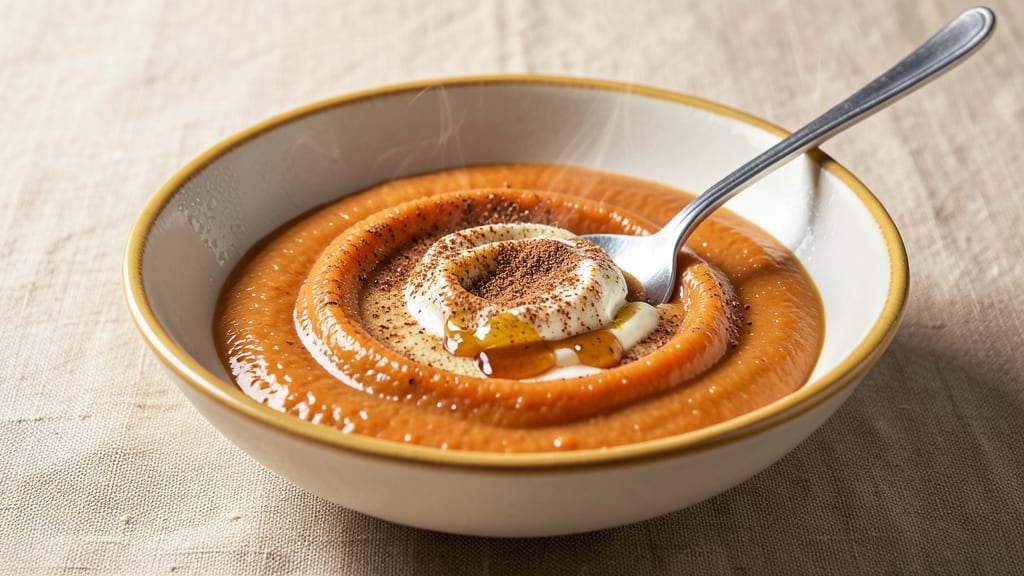
This MasterChef-level sweet potato puree recipe delivers the velvety, spice-infused base that makes desserts and sides unforgettable. Roasting the potatoes until caramelized unlocks deep natural sweetness, while a touch of cinnamon and nutmeg adds warmth that lingers on the palate.
The secret lies in blending just until smooth—overmixing turns puree gummy, but careful technique keeps it silky.
MasterChef-level results start with properly roasted sweet potatoes—fork-tender with crisp edges—that blend into a golden, aromatic puree. A splash of heavy cream or coconut milk elevates the texture, while a pinch of salt and vanilla bean rounds out the flavor profile.
This isn’t just a side; it’s a canvas for plating, drizzled with honey or folded into mousse for dessert mastery.
What sets this apart is the balance: sweetness from the potatoes, warmth from spices, and richness from the fat. The puree holds its shape when piped or spooned, making it perfect for garnishing cakes, stuffing pastries, or serving alongside roasted meats. Every bite delivers that restaurant-quality texture and depth.
Ready in under an hour, this puree transforms simple ingredients into something extraordinary. The roasting step can be done ahead, and the blending takes minutes—ideal for busy weeknights or special occasions. Once you try this version, store-bought puree will never compare.
Ingredients for sweet potato puree recipe masterchef
MasterChef-level puree starts with these nine ingredients—roasted sweet potatoes and a few key elements.
| Ingredient | Amount | Notes |
|---|---|---|
| Sweet Potatoes 🍠 | 2 lbs | Medium size, skin-on for roasting |
| Heavy Cream 🥛 | ½ cup | Full-fat for richness |
| Unsalted Butter 🧈 | 2 tbsp | Cold, cut into pieces |
| Granulated Sugar 🍚 | 2 tbsp | Adjust to taste |
| Ground Cinnamon 🌿 | 1 tsp | Freshly ground preferred |
| Ground Nutmeg 🌿 | ¼ tsp | Freshly grated nutmeg |
| Salt 🧂 | ½ tsp | Kosher or sea salt |
| Pure Vanilla Extract 🍯 | 1 tsp | High-quality preferred |
| Olive Oil 🫒 | 1 tbsp | For roasting potatoes |
The sweet potatoes are non-negotiable. Orange-fleshed varieties like Beauregard or Jewel give the best texture and sweetness. Costco or local farmers markets often have them in bulk during fall/winter. Look for firm, unblemished tubers—soft spots mean they've been sitting too long. Roast them whole until fork-tender with crisp edges; this caramelization is what unlocks that restaurant-quality depth. I like to score the skin with a knife before roasting to prevent cracking. For extra flavor, toss them with a drizzle of olive oil and a pinch of salt before roasting.
No heavy cream? Full-fat coconut milk works beautifully for a dairy-free version, though the texture will be slightly lighter. Substituting butter with vegan butter keeps it plant-based, but the flavor won't be identical. The spices are where this puree shines—Ceylon cinnamon adds a more delicate flavor than regular cassia, and freshly grated nutmeg makes a noticeable difference. No vanilla extract? Seeds from one vanilla bean steeped in warm cream work wonders. For the sugar, I prefer raw cane sugar—it caramelizes more easily during roasting, adding subtle depth. If you're using store-bought sweet potatoes, choose the organic kind; conventional ones can be mealy.
Roasted potatoes keep in the fridge for 5 days if wrapped tightly in foil. The puree itself stays fresh for 3-4 days in an airtight container, but I recommend making it fresh when possible. For longer storage, portion into silicone molds or ice cube trays and freeze—perfect for adding to soups or desserts later. If you're prepping ahead, roast the potatoes the night before and blend just before serving. The puree reheats beautifully; just warm gently on the stove with a splash of cream or water to restore its silky texture.
Why You'll Love This Recipe
- No Peel, No Stress: I swear by this trick—just roast the sweet potatoes whole, then scoop out the flesh. The skin stays put, and you skip the mess of peeling. Honestly, I’ve made this puree while chatting on the phone; it’s that simple.
- Velvet-Smooth Magic: That blend of heavy cream and butter turns simple roasted sweet potatoes into something luxurious. The sugar and cinnamon? They’re the secret—just enough sweetness to balance the earthy depth, like a hug in dessert form.
- Breakfast to Dessert Star: Serve it warm over pancakes, swirled into coffee, or dolloped on toast—it’s my go-to for lazy mornings. Even my picky teen sneaks it into oatmeal. (Yes, even on a Tuesday night.)
- Leftover Goldmine: Make a big batch and store it for up to five days. Spread it on toast, mix it into muffins, or use it as a pie filling—it’s the ultimate pantry staple. Between us, I’ve saved $20 this month by reusing it instead of buying store-bought fillings.
Step-by-step instructions for sweet potato puree
Transform humble sweet potatoes into a silky, spice-kissed puree perfect for desserts or savory dishes.
🔥 Step 1: Roast Sweet Potatoes Until Tender
Preheat your oven to 400°F. Pierce the 2 lbs sweet potatoes all over with a fork to release steam, then rub them with the 1 tablespoon olive oil to prevent sticking. Place them on a baking sheet, cut-side down, and roast for 45-50 minutes until a knife slides in easily and the flesh is soft.
Here's the thing—roasting develops deeper flavor than boiling. You'll know they're done when the skin cracks slightly and the edges turn golden. If you prefer extra crispy skin, broil for 2-3 minutes at the end, but watch closely to avoid burning.
👨🍳 Step 2: Peel and Boil for Maximum Smoothness
Let the roasted sweet potatoes cool for 5 minutes, then peel off the skins using a paring knife. Cut the flesh into 1-inch chunks and transfer to a medium pot. Add 2 cups water (just enough to cover the potatoes) and bring to a boil over medium-high heat. Reduce to a simmer and cook for 5-7 minutes until completely tender.
This boiling step ensures an ultra-smooth puree by breaking down any remaining fibrous bits. If the potatoes were perfectly roasted, they'll mash easily now. If you skipped roasting, simmer for 10-12 minutes instead.
🍳 Step 3: Blend Until Silky Smooth
Drain the potatoes thoroughly, then return them to the pot. Add the 2 tablespoons unsalted butter and 2 tablespoons granulated sugar. Using an immersion blender, blend directly in the pot until completely smooth, scraping the sides as needed. If you prefer a food processor, transfer the mixture and blend until no lumps remain.
The butter and sugar should melt completely into the puree. For extra smoothness, strain through a fine-mesh sieve if you notice any texture. This is where quality matters—don't rush the blending or you'll end up with a grainy puree.
🥘 Step 4: Infuse with Spices and Cream
Return the puree to the pot and stir in the 1 teaspoon ground cinnamon, ¼ teaspoon ground nutmeg, ½ teaspoon salt, and 1 teaspoon pure vanilla extract. Warm the mixture over low heat for 2-3 minutes to meld the flavors. Then stir in the ½ cup heavy cream until fully incorporated and smooth.
The spices should dissolve completely, giving your puree that signature warm, comforting flavor. Taste and adjust the sugar or salt as needed—this is your base, so balance is key. For a richer texture, you can add more cream, but don't overdo it or the puree will become too thin.
⏰ Step 5: Rest and Serve Warm
Transfer the puree to a bowl and let it rest at room temperature for 10 minutes. This allows the flavors to fully develop and the texture to stabilize. For best results, serve warm as a dessert base, pie filling, or even a savory side when paired with herbs instead of spices.
If making ahead, cool the puree completely, then refrigerate for up to 3 days or freeze for up to 3 months. Reheat gently over low heat, stirring frequently to prevent scorching. The puree will thicken as it cools, so thin with warm milk or cream if needed before serving.
Pro Tips For Making Sweet Potato Puree Recipe Masterchef
- Peel After Roasting: Sweet potatoes oxidize fast once cut—skip peeling them first. Roast them whole at 400°F (200°C) for 45-50 minutes until tender, then peel while still warm. The skin slides off like butter, and you avoid the sad, graying flesh that ruins purees.
- Use Cold Cream: Heavy cream straight from the fridge whips faster and lighter. Warm it slightly (just until it coats a spoon easily), then fold it into the hot puree in a thin stream—this keeps the texture velvety, not greasy. I learned this the hard way after one batch turned into a sad, lumpy mess.
- Don’t Overmix: The moment your sweet potatoes hit the pot, stop stirring. Let the butter melt in and steam work its magic—overworking turns it into glue. Once smooth, give it one final pass with a potato masher or wooden spoon. Your future self will thank you for not turning this into a science experiment.
- Salt the Potatoes: Add a pinch of salt (½ tsp) to the water or roasting pan—it seasons the flesh before blending. Sweet potatoes absorb flavor like sponges, and this step makes the final puree taste richer without needing extra sugar. (Yes, even if you’re using heavy cream and butter.)
Wine and beer pairings for this sweet potato puree recipe masterchef
Sweet Dessert Wines
For a dessert-inspired sweet potato puree, I love pairing with Moscato d'Asti—its light, fizzy sweetness complements the puree’s natural caramel notes without overpowering the spices. A glass of late-harvest Riesling from Germany adds a honeyed depth that enhances the cinnamon and nutmeg flavors beautifully.
Both wines are refreshing yet rich enough to stand up to the puree’s velvety texture. 🍷
Spiced Red Wine
If you’re serving the puree as part of a savory meal, try a Pinot Noir with subtle spice notes—it bridges the gap between sweet and savory. For a bolder match, Syrah from the Rhône Valley brings earthy undertones that pair surprisingly well with the warm spices in the puree.
Look for bottles labeled "spice-forward" to ensure harmony. 🍇
Creamy Beer Pairings
A Belgian-style witbier like Hoegaarden cuts through the richness of the puree with its citrusy, coriander notes. For a heavier option, Stout (like Guinness) adds a malty depth that contrasts the sweetness. Both beers work well when served slightly chilled to balance the warm spices. 🍺
Coffee or Tea Finisher
For a non-alcoholic touch, a dark roast coffee (like Sumatra Mandheling) enhances the puree’s caramelized sweetness. Alternatively, chamomile tea with a dash of honey adds a soothing contrast to the spiced flavors. These pairings work especially well for dessert applications. ☕
Pro Tip: Temperature Matters
Serve your wine or beer slightly cooler than room temperature—around 50-55°F for whites and 55-60°F for reds. The puree’s warmth will help open up the aromas of your beverage, creating a more cohesive dining experience. I always chill my wine for 10 minutes before pouring. ❄️
Nutrition facts
Frequently asked questions
Why does roasting sweet potatoes make a difference in puree texture?
Roasting caramelizes the natural sugars in sweet potatoes, creating a deeper flavor and breaking down fibers for an ultra-smooth puree. Boiling alone can leave the puree slightly grainy, while roasting first ensures that silky, velvety consistency MasterChef judges love. The crisp edges from roasting also add subtle texture contrast when served.
Can I make this puree ahead and reheat it?
Store the puree in an airtight container in the fridge for up to 3 days or freeze for 3 months. To reheat, warm gently over low heat while stirring constantly—this prevents scorching. The texture may thicken slightly when cold, so thin with warm milk or cream if needed before serving.
What's the secret to getting that perfect velvety texture?
Blend just until smooth—don't overmix or the puree will turn gummy. The boiling step after roasting is key: it breaks down any remaining fibers. For extra silkiness, strain through a fine-mesh sieve if you notice any lumps. The butter and cream also help create that luxurious mouthfeel.
How can I use this puree in desserts beyond just serving it plain?
This puree is incredibly versatile! Swirl it into cheesecakes, layer it in trifles, or use it as a filling for pies and tarts. For a modern twist, chill it and pipe it onto plates with whipped cream, or fold it into mousse. The spiced flavor also works beautifully in ice cream bases or as a glaze for cakes.
What if my puree turns out too thick or too thin?
If too thick, thin with warm milk, cream, or even a splash of water. If too thin, simmer uncovered for 2-3 minutes to evaporate excess liquid. The ideal consistency should coat the back of a spoon but still be pourable. For plating, you can adjust thickness to your preference—thicker for spooning, thinner for drizzling.