
Side Dishes
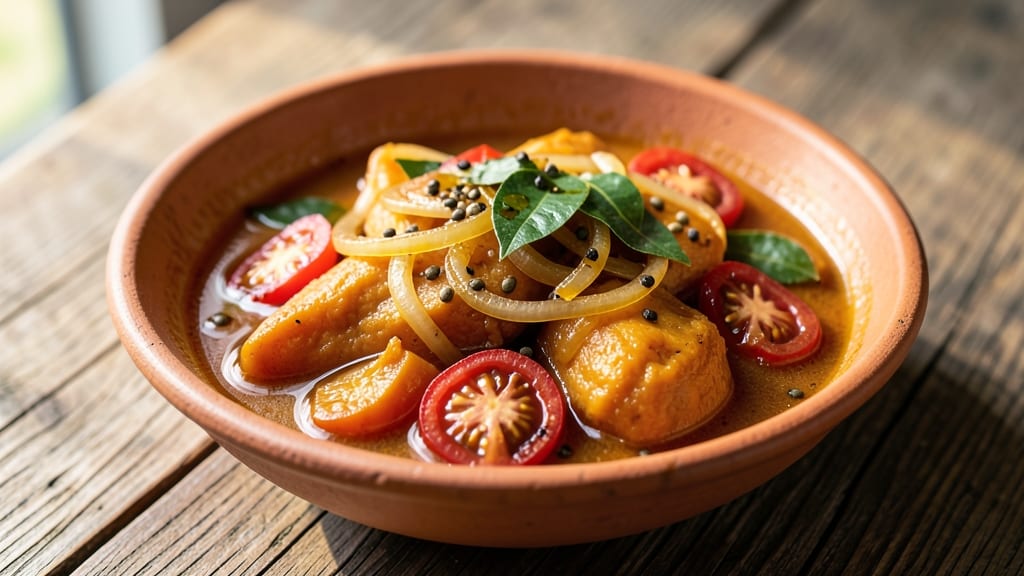
This sweet potato rasam recipe transforms humble ingredients into a velvety, tangy South Indian classic with a modern twist. The secret lies in slow-simmered sweet potatoes that dissolve into the broth, creating a naturally sweet base that balances tamarind's sharp tang.
Traditional rasam relies on lentils, but this version keeps it plant-based while delivering the same comforting depth—just with a crisp celery garnish for texture.
The recipe begins with a fragrant tempering of mustard seeds and curry leaves, a technique that unlocks aromatic layers before the broth even simmers.
Sweet potatoes and tomatoes form the heart of the dish, their natural sugars caramelizing into the broth for a subtle sweetness that cuts through the tamarind's acidity. The result is a soup that's both nourishing and complex, with every spoonful offering a balance of flavors that's impossible to resist.
What makes this version special is the celery crunch—thinly sliced and added at the end, it provides a refreshing contrast to the warm, velvety broth. This rasam is perfect for pairing with steamed rice or dosas, but it also stands alone as a satisfying meal.
The recipe delivers restaurant-quality results with minimal effort, making it ideal for weeknight dinners or meal prep.
Optional additions like fresh coriander or a squeeze of lime can elevate the dish further, but the core recipe remains simple and foolproof. Whether you're serving it as a side or a main, this sweet potato rasam brings the comforting flavors of South India to your table with modern convenience.
Ingredients for sweet potato rasam
Sweet potatoes, tamarind, and celery create this velvety, tangy South Indian masterpiece.
| Ingredient | Amount | Notes |
|---|---|---|
| Sweet Potatoes 🍠 | 1 ½ lb | Peeled and cubed evenly |
| Fresh Tomatoes 🍅 | 4 whole | Medium-sized, chopped |
| Yellow Onions 🧅 | 1 whole | Medium, finely chopped |
| Tamarind Paste 🍈 | 2 tbsp | Unsweetened, high quality |
| Mustard Seeds 🌿 | 1 tsp | Whole, for tempering |
| Curry Leaves 🌿 | ¼ cup | Fresh, packed |
| Ginger 🧄 | 1 inch | Fresh, peeled, grated |
| Garlic Cloves 🧄 | 4 cloves | Peeled, minced |
| Asafoetida Powder 🌶️ | ¼ tsp | Hing powder |
| Turmeric Powder 🌶️ | ½ tsp | Freshly ground preferred |
| Coriander Powder 🌿 | 1 tsp | Freshly ground preferred |
| Salt 🧂 | 1 tsp | Kosher or sea salt |
| Celery Stalks 🥬 | 2 whole | Thinly sliced for garnish |
| Coconut Oil 🫒 | 2 tbsp | For tempering |
| Fresh Coriander Leaves 🌿 | ¼ cup | Chopped, optional garnish |
Sweet potatoes are the heart of this rasam—choose firm, orange-fleshed varieties like Garnet or Jewel for the best texture. Most grocery stores carry them year-round, but if you're near an Indian market, ask for the local variety, which tends to be sweeter. The tamarind paste is non-negotiable for authentic flavor—look for unsweetened blocks at Indian specialty stores or high-quality jars at Whole Foods. Fresh curry leaves are ideal, but if you can't find them, dried leaves work at half the amount. For the ginger, organic is best—no need to peel if it's clean, just grate the skin on.
No tamarind paste? Lemon juice with a pinch of sugar mimics the tang, though it won't be identical. Running short on celery? Thinly sliced cucumber adds a similar crunch. The mustard seeds should sizzle audibly when tempered—if they don't, heat your oil longer or use a tiny bit more. For extra depth, toast your spices lightly before adding to the broth. The celery should be added last—thin slices stay crisp while maintaining that refreshing contrast. Fresh coriander is optional but recommended for brightness.
This rasam tastes even better the next day as flavors meld. Store leftovers in an airtight container in the fridge for up to 5 days. For meal prep, portion into jars with the celery on top—it stays crisp for 3 days if sealed properly. Freeze for up to 3 months, but omit the celery until reheating. The broth thickens as it cools, so add a splash of water when reheating for the perfect consistency.
Why You'll Love This Recipe
- Sweet Potato Swap: I keep a bag of sweet potatoes in my pantry for days when I forget to buy regular ones—this rasam proves they’re just as good, if not better. The natural sweetness balances the tangy tamarind and spicy mustard seeds without needing extra sugar.
- One-Pot Magic: Honestly, this is the kind of soup where you can walk away and come back to a pot that’s actually done. Toss chopped tomatoes, onions, and boiled sweet potatoes into a simmer—no blender, no straining, just rich flavors developing while you finish dinner.
- Budget-Friendly Staple: I’ve made this for years, and the ingredient list never breaks the bank. Sweet potatoes last forever, onions and tomatoes are cheap, and tamarind paste stretches across multiple batches. Leftovers? They reheat like a dream—sometimes even better the next day.
Step-by-step instructions for sweet potato rasam
Create a velvety, tangy rasam with sweet potatoes and aromatic spices that balances earthy sweetness with bright tamarind tang.
Pressure Cook Sweet Potatoes Until Tender
Place the 1.5 lb sweet potatoes in a pressure cooker with 2 cups water. Seal and cook on high pressure for 3 whistles or 8-10 minutes until completely tender when pierced with a fork. The potatoes should collapse easily—they'll break down into a smooth puree during cooking.
Once done, drain the potatoes thoroughly and set aside. Don't skip this step—excess moisture will dilute your rasam. I like to press the potatoes through a fine-mesh sieve to remove any fibrous texture, but you can also mash them directly in the cooker for a rustic touch.
Sauté Aromatics and Build the Base
Heat 2 tbsp coconut oil in a heavy-bottomed pot over medium heat. Add the 1 whole yellow onion and sauté for 4-5 minutes until golden brown, stirring occasionally. Remove the onions and set aside.
In the same pot, add 1 tsp mustard seeds and let them splutter for 30 seconds until they begin popping. Add 0.25 cup curry leaves and 1 inch ginger and sauté for 1 minute until fragrant. This tempering step unlocks the full flavor potential of your rasam.
Cook Tomatoes and Spices
Add the chopped 4 whole fresh tomatoes to the pot and cook for 8-10 minutes on medium-high heat until they soften and release their juices. Stir in 0.5 tsp turmeric powder, 1 tsp coriander powder, and 1 tsp salt, cooking for another 2 minutes until the raw spices dissolve.
Now add the mashed sweet potatoes and 2 tbsp tamarind paste. Stir well and cook for 5-7 minutes until the mixture thickens slightly. The rasam should be smooth with a velvety consistency—if it's too thick, add ¼ cup water to reach your desired texture.
Finish with Celery and Garnish
Reduce heat to low and stir in 4 cloves minced garlic and 0.25 tsp asafoetida powder. Cook for 2 minutes to infuse the flavors. Finally, add the reserved golden onions and simmer for 1 minute to warm through.
Remove from heat and stir in 0.25 cup chopped fresh coriander leaves. For garnish, thinly slice the 2 whole celery stalks and sprinkle over each serving. The celery adds a refreshing crunch that cuts through the rich rasam. Serve warm with steamed rice for a complete meal.
Pro Tips For Making Sweet Potato Rasam
- SOFTEN SWEET POTATOES FIRST: I learned this the hard way—throwing raw sweet potato chunks into the rasam pot just makes them turn to mush. Instead, boil or steam them until they’re fork-tender (about 12-15 minutes), then mash or blend them into the broth. This keeps their texture intact and lets them release sweetness without falling apart.
- PEEL ONIONS LAST MINUTE: Onions lose their sharpness fast once cut. For maximum flavor, peel and finely chop them just before adding to the rasam—right when you’re tempering the mustard seeds. If you prep them early, keep them submerged in cold water until use.
- CONTROL THE TAMARIND HEAT: Tamarind paste can turn your rasam bitter if you overdo it. Start with 1 teaspoon, dilute it in ¼ cup warm water, and taste before adding to the pot. You can always add more, but fixing over-sour rasam is a hassle.
- SAUTÉ TOMATOES UNTIL BLACKENED: Don’t rush the tomato step—cook them on medium-high heat until they darken and collapse (about 8-10 minutes). This deepens their flavor and removes excess water, so your rasam doesn’t turn watery. (Yes, even if it looks burnt—it’s not.)
Wine and beer pairings for this recipe
Crisp White Wine
This rasam’s tangy tamarind and sweet potato base pairs beautifully with a dry Chenin Blanc from India’s Karnataka region. The wine’s natural acidity mirrors the tamarind’s brightness, while its subtle honeyed notes complement the sweet potatoes.
Look for Sula Chenin Blanc—it’s crisp, affordable, and widely available. Serve slightly chilled to enhance the refreshing contrast. 🍷
Light Lager Balance
A German Helles Lager like Paulaner Original cuts through the rasam’s richness without overpowering its flavors. The lager’s malty sweetness and light carbonation provide a clean finish that lets the celery’s crunch shine. Avoid hoppy IPAs—they’ll clash with the dish’s delicate balance. Pour at 45°F for optimal refreshment.
Regional Beer Pairing
For authenticity, try a South Indian lager like Kingfisher or Bavaria Classic. These beers have a smooth, slightly sweet profile that enhances the rasam’s earthy depth.
The carbonation also helps cleanse your palate between bites. Serve in a tall, narrow glass to preserve the beer’s effervescence and highlight its crispness.
Non-Alcoholic Option
Mix sparkling lime soda with a splash of tamarind juice for a refreshing mocktail. The effervescence mimics wine’s cleansing quality, while the tamarind juice deepens the rasam’s tangy profile. Add fresh mint leaves for a vibrant garnish that echoes the dish’s herbal notes. Chill thoroughly before serving. 💛
Warm Spiced Wine
For a cozy twist, warm Moscato d’Asti with a pinch of cinnamon and cardamom. The wine’s natural sweetness and spice notes harmonize with the rasam’s complexity, while the warmth enhances the dish’s comforting qualities. Serve in small wine glasses to concentrate the flavors and aromas.
Nutrition facts
Frequently asked questions
Can I substitute sweet potatoes with regular potatoes?
Regular potatoes won't work as well—they lack the natural sweetness and creamy texture that makes this rasam special. Sweet potatoes dissolve beautifully into the broth, creating that velvety consistency. If you must substitute, try yam or butternut squash for a similar effect, but adjust cooking time as needed.
How do I adjust the tanginess if I don't have tamarind paste?
Mix 1 tbsp lemon juice with ½ tsp sugar for a quick substitute. For deeper flavor, use 1 tbsp amchur (dried mango powder) instead—it adds a fruity tang that mimics tamarind's complexity. Start with less and adjust to taste.
Why is my rasam too thin? Can I fix it?
Simmer uncovered for 5-10 minutes to reduce naturally. If it's still too thin, mix 1 tsp cornstarch with 2 tbsp water and stir in slowly. For extra thickness, mash the sweet potatoes more thoroughly before adding to the broth.
Can I make this rasam ahead of time?
Yes! It tastes even better the next day as flavors meld. Store in an airtight container in the fridge for up to 5 days. Reheat gently on low heat, adding ¼ cup water if it thickens too much. Keep the celery separate until serving for maximum crunch.
What's the best way to serve this rasam?
Pair it with steamed basmati rice or appam for a complete meal. The rasam's tangy sweetness contrasts perfectly with mild rice. For extra richness, drizzle with coconut milk before serving. Garnish with fresh coriander and celery slices for color and texture.