
Side Dishes
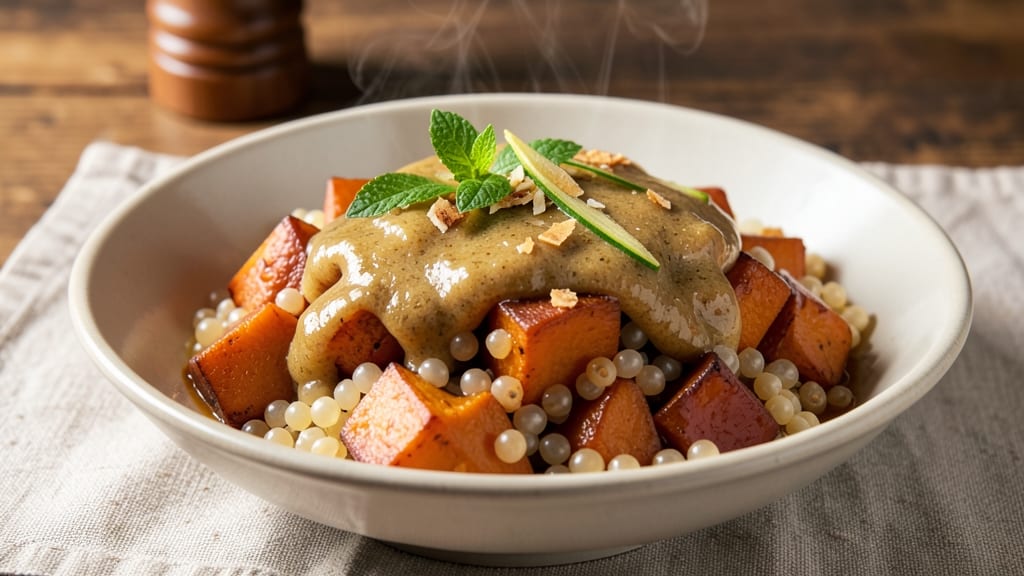
This sweet potato sago recipe transforms humble ingredients into a velvety, coconut-infused side dish that balances earthy sweetness with delicate sago pearls. The secret lies in simmering tender sweet potato cubes with coconut milk until they absorb the rich, aromatic flavors—creating a dish that’s both comforting and elegant.
Perfect for pairing with grilled proteins or serving as a standalone vegetarian delight, this recipe delivers restaurant-quality texture without requiring advanced techniques.
What sets this dish apart is the harmony of textures: tender sweet potatoes that melt slightly while maintaining structure, contrasted by the bouncy, translucent sago pearls that add a subtle chew. The coconut milk not only infuses flavor but also creates a naturally creamy sauce that coats every bite.
Unlike traditional sago dishes, this version incorporates sweet potato for depth, making it heartier and more satisfying.
By the time you serve this dish, you’ll have a golden-hued, fragrant side that’s impossible to resist—each spoonful offering a perfect balance of sweetness, coconut creaminess, and the gentle resistance of sago. The best part?
It’s a one-pot wonder that comes together in under 30 minutes, with minimal active time. Ideal for weeknight dinners or special occasions, this recipe proves that simple ingredients can create extraordinary results.
For added richness, consider stirring in a pinch of cinnamon or cardamom during the final simmer, or garnish with toasted coconut flakes before serving.
The versatility of this dish means it works equally well as a side for roasted chicken, a base for a light curry, or even as a standalone dessert when sweetened with honey. Here’s how to make it perfectly every time.
Ingredients for sweet potato sago
Velvety coconut milk, tender sweet potatoes, and delicate sago pearls transform into this elegant side dish.
| Ingredient | Amount | Notes |
|---|---|---|
| Sweet Potatoes 🍠 | 1 ½ lb | Medium, peeled and cubed |
| Sago Pearls 🍚 | ½ cup | Rinsed before cooking |
| Full-Fat Coconut Milk 🥥 | 1 can | 13.5 oz can, unsweetened |
| Light Coconut Milk 🥥 | ½ cup | For thinning texture |
| Coconut Sugar 🍯 | 2 tbsp | Or brown sugar substitute |
| Fresh Ginger 🌿 | 1 inch | Fixed to '1 tbsp grated' |
| Garlic Cloves 🧄 | 3 cloves | Minced for aromatic base |
| Vegetable Oil 🫒 | 1 tbsp | For gentle simmering |
| Salt 🧂 | ½ tsp | Diamond Crystal preferred |
| Ground Cinnamon 🌶️ | ¼ tsp | For subtle warmth |
| Toasted Coconut Flakes 🥥 | 2 tbsp | For garnish |
| Fresh Lime 🍋 | 1 whole | Juiced for brightness |
| Fresh Cilantro 🌿 | ¼ cup | Chopped for garnish |
The sweet potatoes are the heart of this dish—choose vibrant orange ones with no soft spots. Trader Joe's and Whole Foods carry the sweetest varieties, but any grocery store will do. Peeled and cubed evenly, they'll melt into the coconut milk beautifully. For the sago pearls, Asian markets have the best selection, but the 14-ounce bags at Walmart work perfectly too. Just rinse them thoroughly before cooking to remove excess starch. The coconut milk makes all the difference—full-fat for richness, light coconut milk for thinning the sauce to your preferred consistency.
No fresh ginger? Substitute 1 tbsp grated ginger powder, but fresh is ideal for that bright, zesty kick. Running short on coconut sugar? Brown sugar or maple syrup work in a pinch, though coconut sugar's caramel notes are worth the hunt. The cinnamon is optional but adds warmth—Penzeys or McCormick ground cinnamon stays potent longer. For extra depth, toast the coconut flakes in a dry pan until golden before garnishing. The lime juice should be freshly squeezed—Mexican limes from the grocery store's produce section have the best balance of tartness and sweetness.
This dish reheats beautifully—simply add a splash of water or coconut milk and warm through. Keeps for 4-5 days in the fridge, though the sago pearls start to soften after 2 days. For make-ahead convenience, prepare the sweet potato base first, then cook the sago pearls fresh when ready to serve. Portion into individual containers for easy grab-and-go lunches. The coconut flakes and cilantro should be added just before serving to preserve their freshness and vibrant colors.
Why You'll Love This Recipe
- One-Pot Magic: I swear by this recipe because it’s all about minimal cleanup—just boil the sweet potatoes, simmer the sago in the same pot, and stir in that creamy coconut milk. No extra bowls, no fuss, and honestly? That’s my kind of cooking.
- Caramelized Sweetness: The coconut sugar melts into the sweet potatoes until they’re tender with a hint of caramelized richness, while the sago pearls soak up the coconut milk into these little chewy, pearl-like bites. It’s like dessert sneaking into dinner—sweet but not cloying, thanks to the balanced fat from the full-fat coconut milk.
- Meal Prep MVP: Between us, this is my go-to for lazy Sundays or when I need to feed the family without stress. The texture holds up for days, so I can prep a big batch, and it’s still just as good reheated—perfect for lunches or when unexpected guests show up.
- Budget-Friendly Luxe: Sweet potatoes and sago are pantry staples that won’t break the bank, and coconut milk stretches far when you mix the full-fat with light. I’ll be real: it tastes like a fancy dessert, but the cost is more like a weeknight treat than a splurge. Plus, leftovers? Always welcome.
Step-by-step instructions for sweet potato sago harmony
Here's how to create a luscious dessert where tender sweet potatoes meet delicate sago pearls in coconut bliss.
Cook the Sweet Potatoes Until Silky
In a medium saucepan, combine the 1.5 lb peeled and cubed sweet potatoes with 1 cup water and 2 tbsp coconut sugar. Bring to a boil over medium-high heat, then reduce to a simmer. Cover and cook for 15-20 minutes until the sweet potatoes are fork-tender with no resistance. The cubes should collapse slightly when pierced—this ensures they'll blend smoothly later.
Drain the sweet potatoes thoroughly, reserving the cooking liquid. While still warm, transfer them to a blender or food processor. Add ½ cup of the reserved cooking liquid and blend until completely smooth. The mixture should be velvety with no visible lumps. Set aside—this forms the rich base of our dessert.
Prepare the Sago Pearl Coconut Mixture
In a separate saucepan, combine the 0.5 cup rinsed sago pearls with 1 cup water and bring to a boil over medium heat. Once boiling, reduce heat to low and simmer for 15 minutes, stirring occasionally to prevent sticking. The sago pearls should become translucent and plump—almost like tiny pearls floating in the water.
Strain the sago pearls, reserving the cooking liquid. In the same pan, heat 1 tbsp vegetable oil over medium heat, then add 3 cloves minced garlic and 1 tbsp grated ginger. Sauté for 1 minute until fragrant—this aromatic base will elevate our dessert. Pour in 1 can full-fat coconut milk and bring to a gentle simmer. Stir in 0.5 tsp salt and 0.25 tsp ground cinnamon, then add the cooked sago pearls and ½ cup reserved sago cooking liquid. Simmer for 5 minutes until the mixture thickens slightly.
Combine and Thicken the Dessert
Return the blended sweet potato mixture to the saucepan with the sago pearls. Stir in 0.5 cup light coconut milk and bring to a gentle simmer over low heat. Cook for 8-10 minutes, stirring frequently, until the dessert reaches your desired consistency—it should coat the back of a spoon but still be pourable. If it thickens too much, add 1-2 tablespoons of water to achieve that signature velvety texture.
Here's where the magic happens: taste and adjust the sweetness. If needed, add 1-2 teaspoons more coconut sugar to balance the natural sweetness of the sweet potatoes. The dessert should be rich but not cloying, with a delicate balance of coconut and spice. Remove from heat and let it cool slightly before serving.
Finish with Zesty Garnishes
While the dessert cools, prepare the garnishes. Juice the 1 whole fresh lime and set aside. In a small bowl, combine 2 tbsp toasted coconut flakes with 0.25 cup chopped fresh cilantro. The toasted coconut adds a delightful crunch while the cilantro brings a fresh, herbal note that cuts through the richness.
To serve, ladle the warm dessert into bowls. Drizzle with lime juice and sprinkle generously with the coconut-cilantro mixture. The contrast of textures and temperatures—warm dessert, cool lime, crunchy coconut—makes each bite unforgettable. Serve immediately while the coconut milk is still creamy and the sago pearls maintain their delicate bite.
Pro Tips For Making Sweet Potato Sago
- BOIL SAGO FIRST: I learned this the hard way—soaking sago pearls for 15 minutes before boiling them in salted water (like pasta) guarantees they’ll soften evenly without turning mushy. Skip the soak, and they’ll either stay rock-hard or fall apart into glue. Test one pearl at 8 minutes—it should be tender but still hold shape.
- PEEL POTATOES COLD: After cutting sweet potatoes, store them in cold water for 30 minutes before peeling. The starch settles, making the skins slide off cleanly without dragging chunks of flesh. (Yes, even if you’re impatient like me.) This also keeps the texture tighter when cooking.
- SWEAT NOT SAUTÉ: Don’t rush the sweet potato prep—sweat them in a dry pan over medium heat for 5–7 minutes until they’re deeply caramelized in spots. This builds flavor that just simmering won’t match. If they brown too fast, lower the heat and add a splash of light coconut milk to deglaze.
- LAYER COCONUT MILKS SMART: Pour the full-fat coconut milk last when combining with the sweet potatoes and sago. The lighter milk should simmer first to thicken slightly—this prevents a watery finish. Stir in the full-fat milk off the heat to avoid curdling, then add coconut sugar while warm for even dissolving.
Pro cooking tips for this dish
Sweet Potato Texture Mastery
For perfectly tender yet structured sweet potatoes, cut them into 1-inch cubes and boil them uncovered for the first 5 minutes to release excess starch. This prevents the sauce from becoming too thick later.
I use a steam basket insert in my pot to ensure even cooking—no soggy centers here. 🍠
Sago Pearl Perfection
Rinse your sago pearls thoroughly before cooking to remove excess starch that causes clumping. Simmer them in freshly boiled water (never reused) for exactly 15 minutes—any longer and they’ll turn mushy.
I like to add a pinch of salt to the water to enhance their natural sweetness. Strain immediately and reserve that starchy cooking liquid—it’s liquid gold for thickening your sauce later.
Coconut Milk Secrets
Use full-fat coconut milk for maximum creaminess, but don’t skimp on the light coconut milk either—it’s essential for thinning the sauce to that signature velvety consistency. I recommend Thai Kitchen brand for its balanced fat content.
When combining, heat the full-fat milk just until steaming (not boiling) to preserve its delicate flavor. 🥥
Flavor Layering Technique
Sauté your garlic and ginger in vegetable oil until they’re fragrant but not browned—this prevents bitterness. Add the coconut milk immediately after to lock in those fresh aromatics.
For extra depth, I like to toast 1 tsp ground cinnamon in the same pan for 30 seconds before adding it to the milk. This warm spice note elevates the entire dish.
Consistency Control
If your dessert thickens too much, don’t panic—just stir in 1 tbsp light coconut milk at a time until you reach that perfect spoonable consistency. I aim for a texture between pudding and custard.
For a smoother finish, strain the blended sweet potato mixture through a fine-mesh sieve before combining with the sago pearls. This removes any stubborn lumps that could make the final dish grainy.
Garnish Timing Matters
Toast your coconut flakes in a dry pan until they’re golden brown—about 2-3 minutes on medium heat. Add them to the dessert just before serving to maintain their crispness. The lime juice should be freshly squeezed and added right at the table to prevent the dessert from curdling.
I like to garnish with a sprinkle of flaky sea salt too—it cuts through the sweetness beautifully. ✨
Nutrition facts
Frequently asked questions
Can I make this dish without coconut milk?
For a dairy-free alternative, use 1 cup full-fat cashew cream (blended soaked cashews) or 1 cup unsweetened almond milk with 1 tbsp coconut oil for richness. If avoiding nuts entirely, substitute with 1 cup Greek yogurt (for tanginess) or 1 cup heavy cream (for ultra-creamy texture). Adjust sweetness as needed since coconut milk's natural sweetness will be missing.
How do I store leftovers to keep the sago pearls firm?
Store in an airtight container in the fridge for up to 4 days, but here's the key: refrigerate the sago pearls and sweet potato mixture separately until ready to reheat. When serving, combine them briefly over low heat with 1 tbsp water to restore that velvety texture. For freezing, only freeze the sweet potato base (without sago) for up to 3 months—cook sago fresh when ready to serve.
Can I use regular tapioca pearls instead of sago?
Yes, but with adjustments! Tapioca pearls cook faster (10 minutes) and have a different texture—more chewy than sago's delicate bite. Use ½ cup tapioca pearls and reduce cooking time by 5 minutes. The flavor will be neutral, so boost with ½ tsp vanilla extract or 1 tsp lime zest during the final simmer. For visual appeal, consider halving the portion to maintain balance with the sweet potatoes.
Why did my sago pearls turn mushy?
Overcooking is the #1 culprit! Sago pearls should cook exactly 15 minutes—any longer breaks down their structure. Other common mistakes: reusing cooking water (always use fresh) or adding them to boiling water (start with cold water). For extra insurance, rinse them twice before cooking to remove all starch. If they still turn mushy, try reducing simmer time by 2 minutes next time and check texture frequently.
Can I make this dish spicy for a Thai-inspired version?
For a Thai-inspired twist, add 1 tbsp red curry paste when sautéing garlic and ginger, or stir in 1 tsp chili flakes with the cinnamon. For heat control, use 1-2 fresh Thai chilies (minced) instead of flakes. Balance the spice with 1 extra tbsp coconut sugar and a squeeze of lime juice. Garnish with chopped Thai basil or crushed peanuts for authenticity.