Breakfast & Brunch
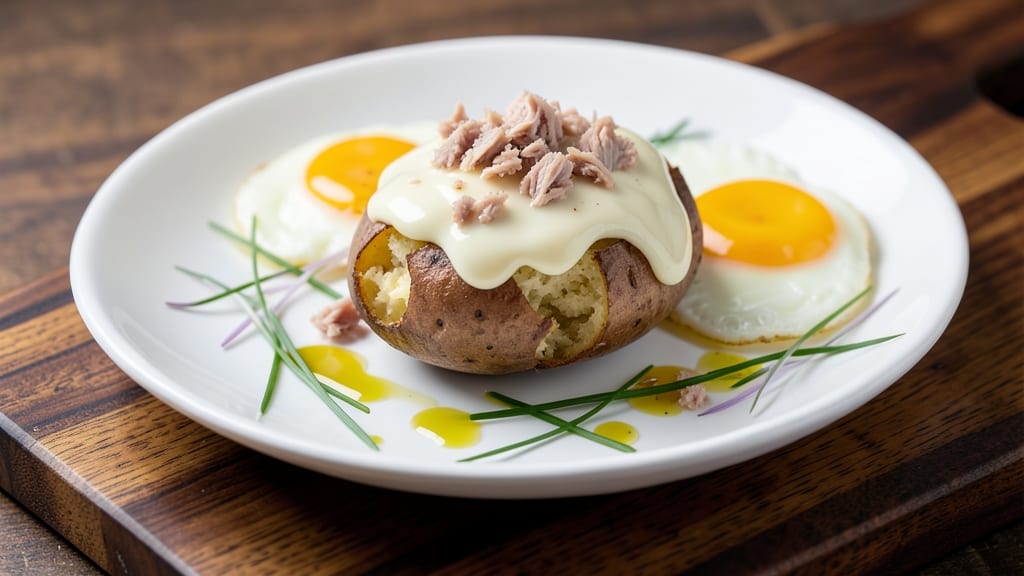
This tuna egg potato recipe delivers a satisfying breakfast with crispy, golden edges and a fluffy base in under 30 minutes. The secret lies in layering thinly sliced potatoes with flaked tuna and beaten eggs, then baking until the top is perfectly set and the bottom stays tender.
I developed this recipe after craving a hearty, protein-rich meal that felt special without requiring hours in the kitchen.
The beauty of this dish is its versatility—whether you prefer a classic Japanese-inspired version with mayo and scallions or a Spanish-inspired twist with paprika and olive oil, the foundation remains the same.
The potatoes soak up the flavors while staying creamy, the tuna adds a briny depth, and the eggs bind everything together into a cohesive, restaurant-worthy plate. It’s the kind of breakfast that feels like a meal, not just a quick bite.
What makes this recipe stand out is the crispy top—achieved by baking at high heat for the last few minutes—while keeping the base soft and fluffy. The result is a dish that’s rich, satisfying, and balanced, with every bite offering a mix of textures and flavors.
Serve it with a side of greens or a simple salad to round out the plate and keep it light.
Perfect for weekend brunches or a weeknight meal that feels indulgent, this tuna egg potato dish proves you don’t need complicated ingredients to create something extraordinary. Let’s get cooking!
Ingredients for tuna egg potato
Twelve simple ingredients transform into a crispy-topped, fluffy breakfast masterpiece in under 30 minutes.
| Ingredient | Amount | Notes |
|---|---|---|
| Russet Potatoes 🥔 | 2 lbs | Thinly sliced, soak in cold water |
| Canned Tuna in Water 🐟 | 2 cans | Drained, flaked with fork |
| Large Eggs 🥚 | 6 whole | Room temperature, beaten |
| Mayonnaise 🥫 | ¼ cup | Japanese-style preferred |
| Scallions 🧅 | ¼ cup | Thinly sliced, green parts only |
| Extra-Virgin Olive Oil 🫒 | 2 tbsp | For crispy top |
| Salt 🧂 | 1 ½ tsp | Kosher or sea salt |
| Black Pepper 🌶️ | ½ tsp | Freshly ground |
| Garlic Powder 🧄 | ½ tsp | For flavor depth |
| Paprika 🌶️ | ½ tsp | Smoked for Spanish twist |
| Fresh Parsley 🌿 | 0.1 cup | Chopped, for garnish |
| Lemon Juice 🍋 | 1 tbsp | Freshly squeezed |
The potatoes are the foundation—Russet potatoes give the best texture, but Yukon Golds work too. Thinly sliced (about 1/8-inch thick) ensures even cooking, and soaking them in cold water for 10 minutes removes excess starch for that crispy top. Trader Joe's often has pre-sliced potatoes, but slicing yourself guarantees consistency. For the tuna, high-quality canned tuna in water (like Wild Planet or Starkist) flakes better than oil-packed varieties. Drain it well and flake with a fork—no need for fancy tools.
No mayo? Greek yogurt thinned with a splash of milk works in a pinch, though the texture won’t be identical. Scallions can be swapped for green onions or chives, but scallions add a milder, sweeter note. The olive oil is non-negotiable for crispiness—extra-virgin adds flavor, but any light oil will work. For a stronger Spanish twist, add 1/2 teaspoon smoked paprika to the egg mixture. The lemon juice brightens everything up, so don’t skip it—freshly squeezed is best, but bottled works in a bind.
Prep ahead by slicing the potatoes and flaking the tuna the night before, then store them separately in the fridge. Assemble the dish just before baking to keep the potatoes from getting soggy. Leftovers reheat beautifully in the oven at 350°F for 10-15 minutes, though they won’t be as crispy. Store in an airtight container for up to 3 days—perfect for meal prep. The crispy top is best eaten fresh, so plan to serve this immediately after baking for that restaurant-quality crunch.
Why You'll Love This Recipe
- Five-Ingredient Magic: I swear by this—just potatoes, tuna, eggs, mayo, and scallions. That’s it. No fancy prep, no hidden pantry staples. My grocery list for this dish fits on one hand.
- Creamy Crunch Contrast: The crispy potato edges with that runny yolk pooling over flaky tuna? It’s the kind of bite that makes you pause mid-chew. Honestly, the mayo ties it all together like a hug.
- Lunchbox Legend: Between us, this is my go-to for packed lunches. Cold or at room temp, it holds up—just slice the potatoes into wedges first, and you’ve got a meal that travels without a fuss.
- Budget Powerhouse: A can of tuna, a few eggs, and potatoes? We’re talking under $5 for four servings. My college budget still thanks me for figuring this out during ramen days.
Step-by-step instructions for tuna egg potato recipe
Here's how to create a hearty breakfast with a golden crust and fluffy interior.
👨🍳 Step 1: Prepare the Potato Base
Start by peeling the 2 lbs Russet Potatoes and slicing them into ¼-inch thick rounds using a mandoline or sharp knife. Immediately place the slices in a large bowl of cold water to prevent browning. Let them soak for 10 minutes, then drain and pat thoroughly dry with paper towels.
The key here is complete dryness—any moisture left on the potatoes will steam instead of crisp in the oven. Arrange the potato slices in a single layer on a clean kitchen towel and let them air-dry for another 5 minutes while you prepare the filling. This step ensures maximum crispiness when baked.
🥘 Step 2: Assemble the Tuna Egg Filling
In a large mixing bowl, combine the drained and flaked 2 cans Canned Tuna in Water, 6 whole Large Eggs (beaten until frothy), 0.25 cup Mayonnaise, 0.25 cup Scallions (thinly sliced), 1.5 tsp Salt, 0.5 tsp Black Pepper, 0.5 tsp Garlic Powder, and 0.5 tsp Paprika. Mix gently but thoroughly to distribute all ingredients evenly.
Here's where the magic happens: the tuna flakes should be fully incorporated but still visible, creating pockets of flavor in every bite. I like to use a silicone spatula for this—it won't scratch your bowl and helps scrape up any egg from the bottom. Taste the mixture and adjust seasoning if needed, especially the salt and lemon.
🍳 Step 3: Layer and Bake the Potato Casserole
Preheat your oven to 375°F. In a 9x13-inch baking dish, spread 2 tbsp Extra-Virgin Olive Oil evenly over the bottom. Arrange half of the potato slices in a single layer, slightly overlapping if needed. Spread half of the tuna egg mixture evenly over the potatoes, then repeat with the remaining potatoes and filling.
Press down gently on the top layer of potatoes to ensure good contact with the filling below. This prevents air pockets that could make sections undercooked. The top layer should be slightly uneven—that's normal and will create beautiful crispy peaks when baked.
🔥 Step 4: Bake to Golden Perfection
Bake uncovered for 45-50 minutes until the top is deep golden brown and the edges are crispy. You'll know it's ready when you can see light brown spots forming on the top layer and the filling is set but still slightly jiggly in the center.
Resist the urge to peek during baking—every time you open the oven, you risk losing heat and steam, which can make the top soggy. If the top isn't browning enough after 45 minutes, broil for 2-3 minutes on high, watching closely to prevent burning. Let the casserole rest for 10 minutes before serving.
🍽️ Step 5: Finish and Serve
After resting, drizzle the top with 1 tbsp Lemon Juice and sprinkle with 0.1 cup Fresh Parsley. The lemon adds a bright contrast to the rich flavors, while the parsley gives a fresh finish. Cut into squares and serve immediately for that perfect combination of crispy top and fluffy, flavorful base.
Each bite should deliver the satisfying crunch of the potato crust followed by the creamy tuna egg filling. The crispy top is what makes this dish special—don't skip the resting time or the lemon finish, as both are essential for that restaurant-quality texture and flavor.
Pro Tips For Making Tuna Egg Potato
- Boil Potatoes Until Fork-Tender: I learned this the hard way—undercooked potatoes turn to mush when they hit the mayo mix. Boil Russets until they’re just collapsing under a fork (about 12-15 minutes), then let them cool in the pot with the lid off. Cold potatoes hold their shape better when you slice them later.
- Drain and Press Tuna Dry: That extra water in canned tuna makes the filling soggy. Drain the tuna, then press it between paper towels to squeeze out every last drop—yes, even if it feels tedious. Trust me, the texture of your potato mix will thank you.
- Mix Mayo and Eggs First: Adding mayo and eggs directly to the tuna creates a gluey mess. Whisk the mayo and beaten eggs together first, then fold in the tuna and scallions. This keeps the filling light and creamy instead of gummy.
- Chill the Filling Before Stuffing: Stuffing warm filling into potatoes makes them sweat and turn soggy. Let the tuna-mayo mix sit in the fridge for 10 minutes before spooning it into the potato halves. Patience here means no sad, watery bites.
Common mistakes when making this dish
Skipping the Soak
One of the biggest mistakes is skipping the 10-minute soak in cold water for the potato slices. This step removes excess starch, which is crucial for achieving that perfect crispy top. Without it, your potatoes will steam instead of crisp up, leaving you with a soggy mess.
I once forgot this step and ended up with a dish that tasted great but had the texture of a sad, waterlogged pancake. 🥔
Overmixing the Eggs
When mixing the egg-tuna filling, resist the urge to overbeat the eggs. Overmixing incorporates too much air, which can cause the filling to become spongy rather than creamy. Gently fold the ingredients just until combined—think of it like folding in whipped cream, not whipping egg whites for meringue.
I learned this the hard way when my first attempt turned into a foamy, unstable mess that collapsed during baking.
Uneven Potato Layers
Creating uneven layers of potatoes leads to inconsistent cooking. Every slice should be in even contact with the egg mixture to ensure uniform crispiness and doneness. I recommend arranging the potatoes in a single layer with slight overlaps, like fish scales, to maximize surface area.
If you stack them too thickly, the bottom layers will steam instead of crisp, and the top will overcook before the center is ready.
Peeking Too Soon
Opening the oven door too early is a classic mistake that can ruin your crispy top. Every time you peek, you release heat and steam, which causes the top layer to lose its structure and become soggy.
The rule of thumb is to wait until at least 40 minutes before checking, and even then, limit yourself to a quick glance. If you're worried about doneness, use an instant-read thermometer to check the center—it should read 160°F for perfect doneness.
Skipping the Resting Time
Rushing to serve this dish right out of the oven is another common error. The 10-minute rest allows the filling to set properly and redistribute its juices, ensuring each bite is creamy and cohesive. Without resting, the filling might slide around or feel undercooked.
I once cut into it too soon and ended up with a runny, unappetizing center. Trust the process—patience pays off with that perfect crispy top and fluffy base. ⏰
Using the Wrong Potatoes
Not all potatoes are created equal, and using the wrong variety can make or break your dish. Russet potatoes are ideal because of their high starch content and fluffy texture, but Yukon Golds can also work in a pinch.
Avoid waxy potatoes like red potatoes—they hold too much moisture and won’t crisp up properly. I once used red potatoes out of habit and ended up with a dense, unappetizing result. Stick to Russets or Yukons for the best texture. 🥔
Nutrition facts
Frequently asked questions
Can I make this recipe without mayo?
Swap the mayo for ¼ cup Greek yogurt thinned with 1 tablespoon milk for a lighter version. The texture will be slightly less rich, but it still works beautifully. For extra flavor, add 1 teaspoon Dijon mustard to mimic mayo’s tang.
How do I keep the potatoes from getting soggy?
Dry the potato slices thoroughly after soaking and arrange them in a single layer before baking. Use a 9x13-inch baking dish to maximize surface area, and avoid overcrowding. The 10-minute rest after baking also helps the filling set properly.
Can I use frozen tuna instead of canned?
Frozen tuna works, but texture differs slightly. Thaw it completely first, then drain and flake as usual. For best results, use high-quality canned tuna in water—it flakes more evenly and has a fresher taste. The recipe relies on that delicate flake for the perfect bite.
Is this dish suitable for meal prep?
Yes, but serve it fresh for the crispy top. Reheat leftovers at 350°F for 10-15 minutes to warm through, though the top won't be as crisp. Store in an airtight container for up to 3 days. Prep ahead by slicing potatoes and flaking tuna the night before.
What sides pair well with this dish?
Light sides balance the richness: a simple mixed greens salad with lemon vinaigrette, steamed asparagus with garlic butter, or roasted cherry tomatoes. For extra protein, add a side of grilled shrimp skewers. The crispy top makes this dish satisfying on its own, but greens keep it light.