
Side Dishes
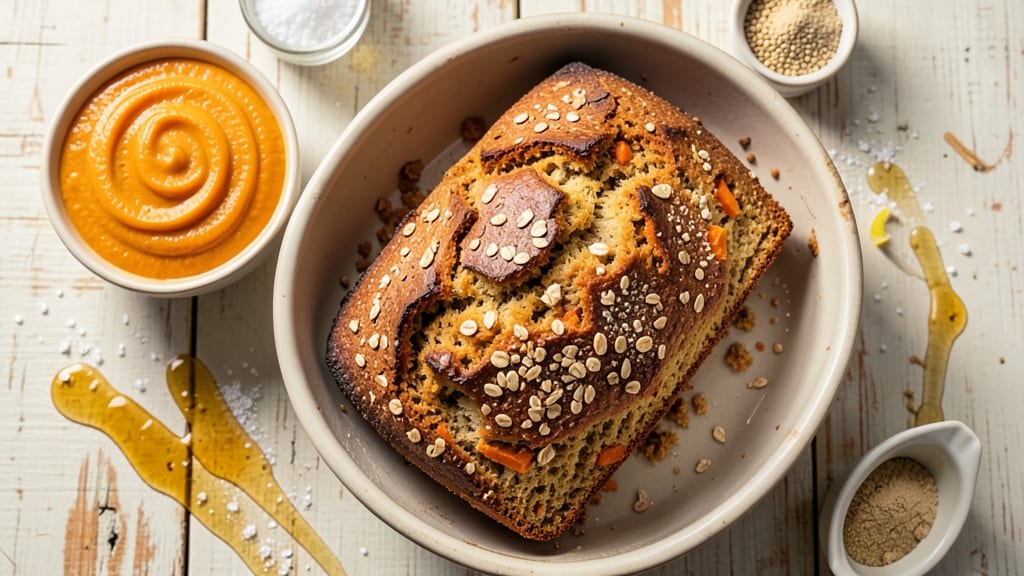
This whole wheat sweet potato bread recipe transforms humble pantry staples into a nutty-spiced loaf with a moist crumb that stays fresh for days. The secret lies in blending whole wheat flour's heartiness with sweet potato's natural sweetness, creating a bread that's both wholesome and indulgent.
I developed this recipe after years of experimenting with dense, dry whole wheat loaves—this version finally delivers the perfect balance of texture and flavor.
The process begins with a simple dough that requires just 15 minutes of active prep, followed by a 1-hour rise—no fancy equipment or advanced techniques needed. Sweet potatoes are roasted until tender, then blended into the dough, infusing it with natural sweetness and moisture that prevents dryness.
Warm spices like cinnamon and nutmeg complement the sweet potato's earthy notes, while a touch of honey enhances the crust's golden color.
What you'll achieve is a moist, slightly dense loaf with a crisp crust and a crumb that's tender yet substantial. Each slice reveals a beautiful marbled pattern from the sweet potato, and the nutty flavor from whole wheat flour makes every bite satisfying.
This bread is ideal for breakfast toast, sandwiches, or as a side to soups and stews—it's the kind of homemade loaf that elevates any meal.
Best of all, this recipe is beginner-friendly and forgiving. The dough is straightforward to mix, and the sweet potato addition ensures a consistently moist result without requiring special ingredients. Once you try this version, store-bought whole wheat bread won't compare. Let's get baking!
Ingredients for whole wheat sweet potato bread
Pantry staples meet seasonal sweetness in this nutty-spiced loaf—transforming whole wheat into a moist, flavorful bread.
| Ingredient | Amount | Notes |
|---|---|---|
| Whole Wheat Flour 🌾 | 4 cups | Unbleached preferred for nuttier flavor |
| Sweet Potatoes 🍠 | 1 ½ lbs | Organic preferred, peeled and roasted |
| Granulated Sugar 🍚 | ½ cup | Light brown sugar for deeper flavor |
| Honey 🍯 | ¼ cup | Wildflower preferred for floral notes |
| Active Dry Yeast 🍞 | 2 ¼ tsp | Ensure freshness with expiration check |
| Warm Water 💧 | 1 ¼ cups | 110°F for optimal yeast activation |
| Unsalted Butter 🧈 | ½ cup | Cold, cubed for easier mixing |
| Large Eggs 🥚 | 1 whole | Room temperature for even distribution |
| Ground Cinnamon 🌿 | 1 ½ tsp | Freshly ground for maximum aroma |
| Ground Nutmeg 🌿 | ½ tsp | Freshly grated for potent flavor |
| Salt 🧂 | 1 ½ tsp | Diamond Crystal preferred for accuracy |
| All-Purpose Flour 🌾 | ½ cup | For lighter texture balance |
The organic sweet potatoes are the heart of this recipe—look for vibrant orange flesh with no green spots. Most grocery stores carry them, but Whole Foods or Trader Joe's often have the sweetest varieties. Roast them until tender (about 45 minutes at 400°F), then blend into a smooth purée. The butter matters too—use European-style if available, as it has higher fat content for a richer dough. For the flour, King Arthur brand whole wheat is my go-to for consistent results, though any unbleached variety works.
No honey? Maple syrup at a 1:1 ratio works beautifully, though it adds a distinct flavor. Short on cinnamon? Pumpkin pie spice at half the amount gives a similar warmth. The yeast must be fresh—if it's past its expiration, proof it in warm water first to test viability. For the eggs, room temperature ensures even distribution in the dough. If you're avoiding eggs entirely, flax eggs (1 tbsp ground flaxseed + 3 tbsp water) substitute well—just reduce the water slightly to maintain dough consistency.
This dough keeps beautifully—cover and refrigerate for up to 24 hours if prepping ahead. For the best rise, let it proof in a warm (75°F) place, like near the oven with the light on. Once baked, store wrapped at room temperature for 3 days or freeze for 3 months. To revive stale slices, warm in a 300°F oven for 5-10 minutes—they'll be fresh again. The crust stays crisp for about 2 hours after baking, so slice while still warm for the best texture.
Why You'll Love This Recipe
- Sweet Potato Swap: I keep a bag of sweet potatoes in the pantry just for this—peel, boil, mash, and boom, you’ve got a natural sweetener and moisture booster that turns dry whole wheat into something tender and golden. No fancy techniques, just a stovetop and a spoon.
- Honeyed Warmth: That balance of granulated sugar and honey? It’s like a hug in bread form—slightly caramelized crust, a moist crumb, and just enough sweetness to pair with butter or jam without feeling heavy. (Yes, even on a Tuesday night.)
- Breakfast to Brunch: Toast it for breakfast with peanut butter, slice it for lunch sandwiches, or serve it warm with butter for a cozy brunch. I’ve even used it as a base for sweet potato pancakes—same dough, different shape, zero waste.
- Budget-Friendly Staple: Whole wheat flour and sweet potatoes stretch my grocery budget, and this loaf keeps for days in the freezer. One batch feeds my family for a week, and I still find slices tucked in lunchboxes by Friday.
Step-by-step instructions for whole wheat sweet potato bread
Here's how to craft a moist, nutty-spiced loaf with perfect texture every time.
Roast the Sweet Potatoes Until Tender
Preheat your oven to 400°F and pierce the 1.5 lbs sweet potatoes with a fork in 4-5 places. Place them on a baking sheet and roast for 45-50 minutes until a knife slides in easily and the flesh is soft. Let them cool slightly before handling.
The roasting process intensifies the sweet potato's natural sugars, creating that caramelized depth in your bread. I like to scoop out the flesh while still warm—it's easier to mash and incorporates better into the dough. Don't skip this cooling step; hot sweet potatoes will kill the yeast when mixed later.
Activate the Yeast and Prepare the Dough
In a large mixing bowl, combine the 1.25 cups warm water (about 110°F) with the 2.25 tsp active dry yeast and 0.5 cup granulated sugar. Let this mixture sit for 5-10 minutes until it becomes frothy and bubbly—this confirms your yeast is active.
While the yeast activates, mash the cooled sweet potatoes until smooth, then stir in the 0.25 cup honey, 0.5 cup unsalted butter (cubed), and 1 whole large egg. The butter should melt slightly from the warm sweet potatoes, creating a rich, velvety base for your dough.
Combine Wet and Dry Ingredients
In a separate bowl, whisk together the 4 cups whole wheat flour, 0.5 cup all-purpose flour, 1.5 tsp ground cinnamon, 0.5 tsp ground nutmeg, and 1.5 tsp salt. Gradually add this dry mixture to your sweet potato mixture, stirring just until combined.
Here's the thing—whole wheat flour absorbs more liquid than all-purpose, so you might need to add 1-2 tablespoons of warm water if the dough feels too dry. The dough should be soft but manageable, not sticky. If it's too sticky, add a bit more flour; if too dry, add a splash of water. This balance ensures a tender crumb without a dense texture.
Knead and Let the Dough Rise
Turn the dough onto a lightly floured surface and knead for 8-10 minutes until smooth and elastic. The dough should spring back slowly when pressed. For best results, I use a stand mixer with a dough hook on medium speed for 6-7 minutes, then finish by hand.
Place the dough in a lightly greased bowl, cover with a damp towel, and let it rise in a warm place for 1-1.5 hours or until doubled in size. The warmth encourages yeast activity, while the damp towel prevents a dry crust from forming. You'll know it's ready when the dough puffs noticeably and leaves an indent when pressed gently with a finger.
Shape, Proof, and Bake to Perfection
Punch down the risen dough and shape it into a loaf pan (about 9x5 inches) lined with parchment paper. Cover again and let it proof for another 30-45 minutes until it rises about 1 inch above the pan.
Preheat your oven to 375°F and bake the bread for 40-45 minutes until the top is golden brown and an instant-read thermometer inserted into the center reads 190-195°F. The bread should sound hollow when tapped on the bottom. For extra browning, brush the top with a little water before baking and place a baking sheet under the pan to catch any drips.
Pro Tips For Making Whole Wheat Sweet Potato Bread
- Boil Potatoes Until Fork-Tender: Whole wheat bread needs sweet potatoes that mash into smooth, lump-free purée—no one wants to bite into a chewy chunk. Boil them in their skins until a fork glides through like butter, then peel while still warm. I learned this the hard way after serving a batch with stubborn, rubbery bits that ruined the texture.
- Weigh Your Flour—Don’t Scoop: Whole wheat flour packs differently than all-purpose, and scooping from the bag means you’re guessing. Use a kitchen scale for precision—aim for 300g (about 2 ½ cups loosely packed). My first loaf turned out dense because I eyeballed it, and the yeast struggled against the uneven hydration.
- Proof Yeast in Warm Sweet Potato Water: Dissolve the yeast in the warm (not hot) sweet potato water first—this jumpstarts fermentation and ensures it’s active before mixing with flour. Let it foam for 5–10 minutes; if it doesn’t, your bread will rise like a sad pancake. (Yes, even if you’re impatient like me.)
- Bake with a Steam Boost: Spritz the loaf pan with oil and add a handful of ice cubes to the oven before baking—this creates steam for a crackly crust and even rise. After 15 minutes, remove the ice tray and bake as directed. I was skeptical until I tried it: the crust went from dull to golden, and the crumb stayed moist longer.
Make-ahead tips for leftovers
Dough Prep Ahead
Mix your dough the night before and refrigerate it in an airtight container for up to 24 hours. This slow fermentation deepens the flavor—just let it sit at room temperature for 1 hour before shaping and baking.
I always do this when hosting dinners; it saves time and makes the bread taste even richer. 💫
Sweet Potato Prep Shortcut
Roast your sweet potatoes in advance and store them in the fridge for up to 3 days. Reheat them in the microwave for 1-2 minutes before mashing to make blending easier.
I keep a batch ready in my freezer too—just thaw overnight in the fridge before using. This saves you from last-minute roasting on busy mornings.
Proofing Flexibility
Need to adjust your schedule? The dough can proof in the fridge for 6-8 hours instead of at room temperature. Just let it warm up for 30 minutes before shaping.
I use this trick when I'm baking late at night—the slow cold proof gives me a head start on morning toast. The texture stays just as tender!
Freezing Fresh Bread
Slice your cooled loaf and wrap each piece in plastic wrap, then store in a freezer bag for up to 3 months. To reheat, toast directly from frozen in the toaster or warm in a 300°F oven for 5-10 minutes.
The crust stays crisp while the inside warms perfectly. I keep a stash of these for lazy breakfasts all winter long. ✨
Make-Ahead Topping
Prep your honey glaze or cinnamon sugar topping ahead and store it in a small jar. Brush or sprinkle it on just before baking—this keeps your hands clean during the final rise.
I make a double batch of the glaze and use it for other baked goods too. The extra prep time is worth the beautiful golden crust it creates!
Batch Baking Tips
Double the recipe and bake two loaves at once for gatherings. Use two loaf pans and place them side by side on the middle rack. Rotate the pans halfway through baking for even browning.
I always make two when hosting—this bread disappears faster than you'd think! Store extras wrapped at room temperature for 3 days or freeze for longer storage. 🔥
Nutrition facts
Frequently asked questions
Can I substitute regular potatoes for sweet potatoes in this recipe?
No, sweet potatoes are essential for the bread's natural sweetness and moisture. Regular potatoes lack the sugar content and dense texture that create this recipe's signature flavor and crumb. If you're out of sweet potatoes, try yams—they have a similar sweetness profile. For a different flavor, you could blend in 1 cup pumpkin puree instead, but it won't be the same.
Why does my whole wheat dough always turn out dense?
Whole wheat flour absorbs more liquid, so the dough often needs extra hydration. Try adding 1-2 extra tablespoons of warm water if it feels dry during mixing. Also, don't over-knead—the dough should be soft but not sticky. For extra tenderness, replace 1 cup of the whole wheat flour with all-purpose flour while keeping the same total volume.
How do I know when the bread is fully baked?
Your bread is done when it reaches 190-195°F internally (use an instant-read thermometer) and has a golden-brown crust. It should also sound hollow when tapped on the bottom. If the top browns too quickly, tent it with foil after 20 minutes of baking. For extra shine, brush with melted butter or honey glaze just before removing from the oven.
Can I make this bread without yeast?
Yes! For a quick version, replace the yeast with 1.5 tsp baking powder and 1 tsp baking soda, reducing the water by 2 tablespoons. Mix all ingredients, pour into a greased pan, and bake at 350°F for 40-45 minutes. The texture will be denser but still delicious. This works great for same-day baking when you don't want to wait for rising.
What's the best way to store leftover slices?
Wrap individual slices in plastic wrap and store them in an airtight container at room temperature for 2-3 days. For longer storage, freeze slices separately for up to 3 months. To revive, toast directly from frozen or warm in a 300°F oven for 5-10 minutes. The crust stays crisp while the inside warms perfectly—no soggy bread here!