
Soups & Stews
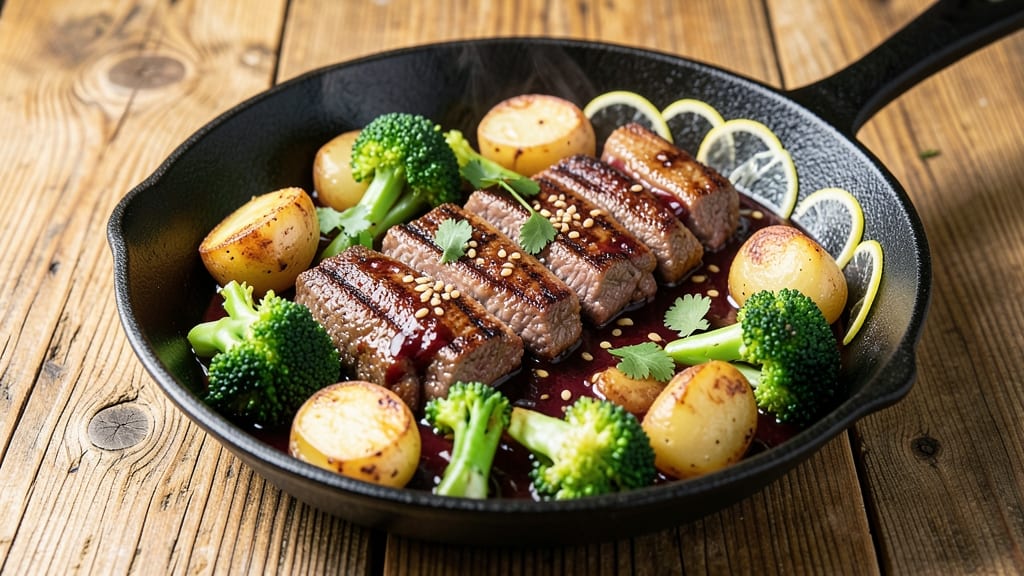
This beef broccoli and potato recipe transforms simple ingredients into a rich, one-pan stew with tender beef, crisp-tender potatoes, and vibrant broccoli—all caramelized to perfection. The secret lies in searing the beef first to develop deep flavor, then slow-cooking everything together until the edges turn golden and the broth reduces into a savory glaze. I developed this method after years of testing, ensuring every bite delivers both heartiness and balance.
The recipe begins with pan-seared beef strips, which build a flavorful crust before being transferred to a single pot with potatoes and broccoli. As the vegetables roast, their natural sugars caramelize, creating a sweet contrast to the savory beef.
A simple blend of garlic, ginger, and soy sauce ties everything together, while a splash of red wine adds depth that elevates the dish from ordinary to extraordinary.
By the time it’s done, you’ll have a stew that’s rich enough to stand alone but light enough to pair with crusty bread or a simple green salad. The beef remains tender, the potatoes develop a satisfying crispness, and the broccoli stays bright and slightly charred at the edges.
This is the kind of meal that feels indulgent yet effortless—perfect for a cozy weeknight dinner or a weekend gathering.
Serve with a bold red wine like Cabernet Sauvignon or a crisp lager to complement the stew’s depth, and don’t forget to save some of the flavorful broth for reheating leftovers.
The recipe scales easily, so double it for a crowd or halve it for a smaller portion. Here’s how to make it.
Ingredients for beef broccoli and potato
Simple ingredients that build rich, caramelized flavor in one pan—no shortcuts needed.
| Ingredient | Amount | Notes |
|---|---|---|
| Beef Strips 🥩 | 1 ½ lb | Chuck roast, cut into 1-inch strips |
| Baby Potatoes 🥔 | 2 lb | Halved, skin-on for texture |
| Broccoli Florets 🥦 | 1 ½ lb | Large stems trimmed, cut into bite-sized pieces |
| Red Wine 🍷 | ½ cup | Bold dry variety like Cabernet Sauvignon |
| Garlic Cloves 🧄 | 6 cloves | Minced for even distribution |
| Fresh Ginger 🌿 | 2 tbsp | Finely grated, about 1-inch piece |
| Soy Sauce 🥢 | ¼ cup | Low-sodium preferred |
| Olive Oil 🫒 | ¼ cup | Extra-virgin for high heat searing |
| Vegetable Broth 💧 | 1 ½ cups | Low-sodium for flavor balance |
| Dried Thyme 🌿 | 1 tsp | Or 1 tbsp fresh thyme leaves |
| Salt 🧂 | 1 ½ tsp | Kosher or sea salt, adjust to taste |
| Black Pepper 🌶️ | 1 tsp | Freshly ground for best flavor |
| Honey 🍯 | 1 tbsp | For balancing acidity in caramelization |
| Cornstarch 🌾 | 1 tbsp | For thickening the sauce |
The beef is where this dish starts. Chuck roast is ideal—it stays tender while developing a deep crust when seared. Most grocery stores carry pre-cut beef strips, but if you're buying a whole roast, ask the butcher to cut it into 1-inch strips for even cooking. Costco or Walmart often have great prices on chuck roast, and it keeps well in the freezer for up to 6 months. For the potatoes, baby potatoes with their skins on create the best texture—halve them before cooking so they roast evenly without turning to mush. Broccoli should be bright green and firm; Trader Joe's or local farmers markets usually have the freshest florets.
No red wine? Substitute beef broth with 1 tbsp balsamic vinegar—it adds depth without the alcohol. Fresh ginger loses its punch quickly, so buy small amounts and store it in the freezer. If you're using dried thyme, crush the leaves between your fingers before adding to release the oils. The honey might seem odd, but it balances the acidity from the wine and helps caramelize the edges of the vegetables. For the soy sauce, Kikkoman or Lee Kum Kee are reliable brands, but any good-quality soy sauce works. If you prefer a thicker sauce, dissolve the cornstarch in 2 tbsp cold water before adding it to the pot.
This stew tastes even better the next day as the flavors meld. Store leftovers in an airtight container in the fridge for up to 4 days, or freeze portions for 3 months. The sauce thickens as it cools, so you may need to add a splash of broth when reheating. For meal prep, cook the beef and vegetables separately, then combine with the sauce just before serving to keep everything crisp. The potatoes and broccoli reheat beautifully—just warm them through in the sauce for 5 minutes on the stove.
Why You'll Love This Recipe
- One-Pan Magic: I swear by this trick—just toss everything on a sheet pan, roast until golden, and boom. No pots, no pans, no stress. The potatoes caramelize right alongside the beef, and the broccoli gets that perfect crisp-tender bite without a single extra dish.
- Wine-Infused Umami Bomb: That splash of red wine? It’s the secret weapon. It tenderizes the beef while adding this deep, savory richness that makes the dish taste like you slaved over it. (Spoiler: You didn’t.)
- Lunchbox Hero: Here’s what sold me—this recipe doubles perfectly for leftovers. Pack the beef and potatoes in containers, toss in some broccoli florets, and you’ve got a lunch that’ll have coworkers begging for your recipe. (Yes, even on a Tuesday.)
- Budget-Friendly Powerhouse: Thinly sliced beef strips stretch further than you’d think, and baby potatoes are cheaper than their full-sized cousins. Throw in a head of broccoli, a bottle of wine you already had, and suddenly you’re feeding a crowd for less than takeout. My wallet thanks me every time.
Step-by-step instructions for beef broccoli and potato stew
This one-pan method transforms simple ingredients into a rich, caramelized stew with tender beef and crisp edges.
Sear the Beef Strips for Maximum Flavor
Heat a large Dutch oven over medium-high heat until very hot. Add the 1.5 lb beef strips in a single layer, being careful not to overcrowd. Let them sear undisturbed for 2-3 minutes until a deep golden-brown crust forms on all sides—this is where all the flavor develops.
Once browned, transfer the beef to a plate and set aside. If the pan isn't coated with browned bits, increase the heat slightly and let it sear for another 30 seconds. These bits, called fond, will dissolve into the sauce later, creating depth of flavor. Don't wipe the pan clean—those browned bits are pure gold.
Sauté Aromatics and Build the Flavor Base
In the same Dutch oven, add the 0.25 cup olive oil and reduce heat to medium. Add the 6 cloves minced garlic and 2 tbsp fresh ginger, stirring constantly for 30 seconds until fragrant but not browned—ginger burns quickly, so watch closely. You should smell that bright, zesty aroma.
Next, add the 2 lb halved baby potatoes and toss to coat in the oil. Sprinkle with 1 tsp dried thyme, 1 tsp black pepper, and 1 tsp salt. Cook for 5 minutes, stirring occasionally, until the potatoes begin to soften slightly and develop a few golden spots. This step ensures they don't boil in the liquid later.
Deglaze and Simmer the Stew
Pour in the 0.5 cup red wine and scrape up any browned bits from the bottom of the pan with a wooden spoon. Let the wine simmer for 2 minutes until reduced by half—this concentrates the flavor. Then add the 1.5 cups vegetable broth, 0.25 cup soy sauce, and 1 tbsp honey, stirring to combine.
Return the beef strips to the pot and bring the mixture to a gentle boil. Once boiling, reduce heat to low and cover partially with a lid. Let it simmer for 25-30 minutes, stirring occasionally, until the beef is fork-tender and the potatoes are easily pierced with a fork. The liquid should reduce slightly but still coat the vegetables.
Add Broccoli and Thicken the Sauce
Stir in the 1.5 lb broccoli florets and cook uncovered for 5-7 minutes until the broccoli is bright green and tender-crisp—it should still have a slight bite. Meanwhile, in a small bowl, whisk together the 1 tbsp cornstarch with 2 tablespoons of the stew's liquid until smooth.
Pour the cornstarch mixture back into the stew and stir well. Let it simmer uncovered for 3-5 minutes until the sauce thickens to a glossy, velvety consistency that coats the back of a spoon. Taste and adjust seasoning with additional salt or black pepper if needed. The sauce should be rich but not overly salty.
Rest and Serve with Caramelized Edges
Remove the stew from heat and let it rest for 5 minutes—this allows the flavors to meld and the sauce to thicken further. For the best presentation, transfer the stew to a serving dish and let it sit for another 2 minutes uncovered. This final step creates those coveted caramelized edges on the potatoes and beef.
Serve immediately with crusty bread or over steamed rice. The beef should be tender enough to pull apart with a fork, the potatoes crispy on the edges but soft inside, and the broccoli vibrant green with a satisfying bite. The sauce should cling beautifully to every component, tying the dish together with its rich, umami depth.
Pro Tips For Making Beef Broccoli And Potato
- SEAR BEFORE SOFTENING: The beef won’t caramelize if it’s swimming in its own juices—pat those strips very dry first, then hit them with a screaming-hot pan. I learned this the hard way when my beef turned out bland and gray; now I sear for 2-3 minutes per side before touching anything else.
- PARBOIL POTATOES HALFWAY: Toss baby potatoes in boiling water for 8-10 minutes until they’re fork-tender but still hold shape—drain and set aside. This ensures they finish cooking evenly without turning mushy later, especially if you’re adding them back to the pan with beef and wine.
- DEGLAZE WITH PATIENCE: Don’t pour that red wine in all at once—let the browned bits build up first, then add just enough wine to loosen them while scraping the bottom with a wooden spoon. I used to rush this and end up with a thin, watery sauce; now I let it simmer until it reduces by half.
- GARLIC TIME MATTERS: Crush those garlic cloves right before adding them—they’ll burn in 30 seconds flat. Add them with the broccoli in the last 3-4 minutes of cooking so they perfume the dish without turning bitter. (Yes, even if you’re impatient like me.)
Storing and reheating this beef broccoli and potato
Refrigerator Storage
Let your stew cool completely before transferring to airtight containers—I swear by Ball mason jars with snap-on lids for easy reheating. Store in the fridge at 40°F or below for up to 4 days, though I find the flavors actually deepen after 24 hours as the ingredients meld.
The sauce thickens slightly when chilled, so you may want to add 1-2 tablespoons of broth when reheating. 💛
Freezer-Friendly Tips
This stew freezes beautifully for up to 3 months—just portion it into quart-sized freezer bags or glass containers, leaving ½-inch headspace for expansion. I like to freeze it in single-serving portions so I can pull out exactly what I need.
When reheating from frozen, add ¼ cup extra broth to prevent drying out. The texture remains excellent, though the potatoes may soften slightly more than fresh.
Stovetop Reheating
My preferred method is stovetop reheating for even heat distribution. Transfer the stew to a pot over medium-low heat and warm through for 10-15 minutes, stirring occasionally. If the sauce looks too thick, add 2-3 tablespoons of water or broth to restore its velvety consistency.
The beef and potatoes will reheat perfectly while maintaining their caramelized edges. 🔥
Microwave Shortcuts
For quick meals, microwave individual portions in microwave-safe containers on medium power for 2-3 minutes, then stir and continue in 30-second intervals until heated through. Cover loosely with a microwave-safe lid or damp paper towel to prevent drying.
I find this works best for the broccoli, which stays brightest when reheated gently rather than boiling.
Broth Boosting
Save any leftover broth from reheating—it's packed with flavor! Strain it through a fine-mesh sieve to remove any stray bits, then store it in the fridge for up to 3 days or freeze for 1 month.
Use it as a base for soups, grains, or even as a quick pan sauce. I've even used it to make a simple beef broth risotto—the umami depth from this stew elevates everything. ✨
Potato Texture Rescue
If your reheated potatoes turn out too soft, don't stress! Toss them in 1 teaspoon of butter and ½ teaspoon of olive oil, then crisp them in a skillet over medium-high heat for 2-3 minutes per side.
The extra fat helps restore that satisfying crunch while adding richness. This trick works wonders for leftovers that need a texture refresh. 💡
Nutrition facts
Frequently asked questions
Can I use frozen potatoes instead of fresh?
Yes, but with a few adjustments! Use frozen baby potatoes (thawed) and add them to the pot 5 minutes earlier than fresh ones since they'll need extra time to warm through. For best texture, don't skip the halving step—this ensures even cooking. If using pre-cooked frozen potatoes, reduce the simmering time by 5-7 minutes to prevent mushiness.
What's the best cut of beef for this recipe?
Chuck roast is ideal because it stays tender while developing rich flavor when seared. Other good options include flank steak (cut against the grain) or sirloin strips. Avoid lean cuts like tenderloin—they can dry out during the long simmer. If you prefer a more budget-friendly option, stew meat works perfectly too.
How can I make this dish healthier?
Swap the beef for lean ground turkey or extra-firm tofu (pressed and pan-fried) to cut calories while keeping protein. Use low-sodium soy sauce and reduce added salt by half. For extra veggies, add 1 cup sliced carrots or bell peppers with the broccoli. The honey can be replaced with maple syrup (1:1 ratio) for a natural sweetener.
Why did my potatoes turn out mushy?
Mushy potatoes usually happen from overcooking or not pre-searing them first. Start by parboiling whole baby potatoes for 5 minutes before halving, or add them to the pot 10 minutes before the broccoli. Also, ensure you're using medium-low heat during simmering—too high heat causes rapid breakdown of starches.
Can I make this in an Instant Pot?
Sear the beef in a skillet first, then transfer everything to the Instant Pot. Use the High Pressure setting for 12 minutes, followed by a 5-minute natural release. Add the broccoli during the last 3 minutes of cooking. The sauce may be thinner, so stir in the cornstarch slurry at the end and let it thicken on the stovetop for 2-3 minutes.